
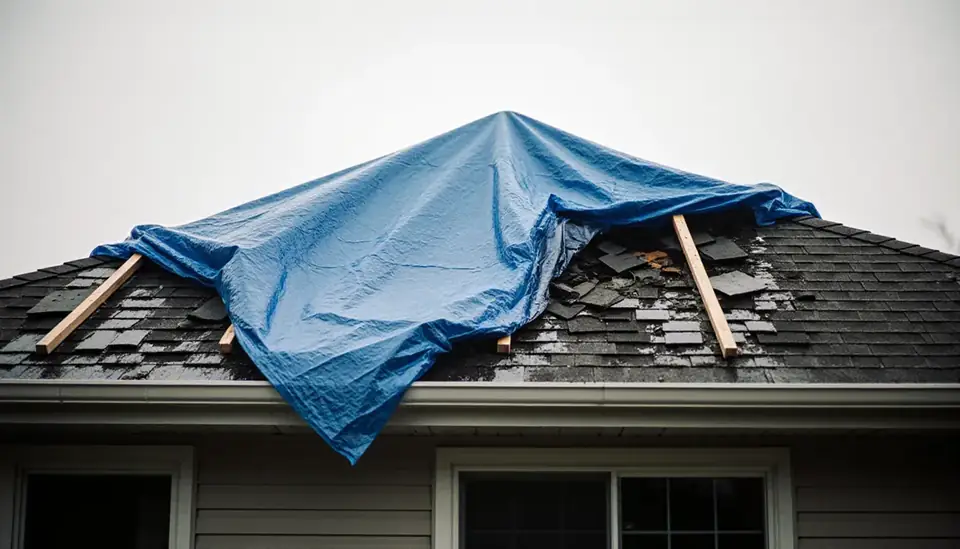
The bayou that gives this town its name runs straight through the middle of it and opens about two miles to the southwest into Portersville Bay, an arm of the Mississippi Sound. The city sits around 10 feet above sea level, and its working waterfront of shrimp boats, seafood packing houses and family-run shipyards is built right at the water's edge.
That closeness to the Sound is the defining risk. A hurricane passing to the west can drive Gulf water up the bayou and into homes, docks and processing plants within hours, and heavy tropical rain can leave low yards standing in water for days. The Restoration Job connects callers with restoration help at no charge. Call (888) 317-9980 any time and we'll connect you with an independent restoration company that works in southern Mobile County, from the bayou to Coden and Grand Bay.
How the call works: when you call (888) 317-9980, The Restoration Job connects you with an independent restoration provider that serves Bayou La Batre. That provider inspects the damage, explains the scope and quotes the work. The Restoration Job doesn't perform restoration itself. Read our referral disclosure.
Katrina, Georges and Surge Pushed Up the Bayou
Hurricane Katrina came ashore well to the west on August 29, 2005, yet the National Weather Service estimated 12 to 14 feet of surge at Bayou La Batre, and local accounts put it near 16 feet. Many homes were engulfed. More than 23 shrimp boats and the cargo ship M/V Caribbean Clipper were pushed onto land, and the public library was destroyed. Seven years earlier, Hurricane Georges, which made landfall near Biloxi, raised water here to about 8.8 feet above mean sea level.
Compare that with Hurricane Ivan in 2004. Ivan was a strong Category 3, but it came ashore east of Mobile Bay near Gulf Shores, and the middle gauge on the bayou peaked at roughly 4.7 feet. The lesson local residents already know: the storms that hurt this shoreline most are often the ones tracking to the west, whose winds pile water into the Sound.
Getting Saltwater and Mud Out of a House
Surge water is not clean water. It carries salt, sediment, fuel and sewage, and it soaks into drywall, insulation and flooring from the bottom up. Effective flood cleanup after a surge event generally looks like this:
- Have the power checked before anyone works in a flooded house, since outlets and panels may have been submerged.
- Shovel out mud while it is still wet and easier to move.
- Cut drywall a foot or more above the high-water line and bag the wet insulation behind it.
- Pull up carpet, pad and most laminate or vinyl plank; solid wood may need to come up as well.
- Wash framing and slab to remove salt and silt, disinfect, then dry with dehumidifiers until readings confirm it.
Salt residue keeps drawing moisture out of the air, so skipping the washing step can leave framing that tests dry one week and damp the next.

Packing Houses, Shipyards and Waterfront Businesses
Bayou La Batre calls itself the Seafood Capital of Alabama, and boats are built here for owners around the world. Those businesses sit where the water rises first. After a storm, commercial owners face the same drying work as homeowners plus refrigeration, inventory, electrical equipment and office records that may all have been underwater.
Photograph inventory and equipment before disposal, keep spoiled product logs, and separate what was flooded from what was only exposed to humidity. Commercial flood coverage is separate from a standard property policy, and a business interruption claim usually depends on how well the loss is documented in the first days.
Rainfall Flooding Without a Named Storm Overhead
Not every flood here comes with a surge. Hurricane Georges dropped 15 to 25 inches across much of southwest Alabama in 1998, and Hurricane Danny in 1997 sent the nearby Fowl River at Laurendine Road to 12.6 feet, about one and a half times the height of a 100-year flood. In flat, low terrain, rainwater has nowhere quick to go, and when the Sound is running high, ditches and yards can be slow to drain.
Water that comes in through a slab joint or under an exterior door during these events is usually lower in contamination than surge, but it still needs to be pulled out fast. Wet carpet pad and the bottom of drywall are where trouble starts.
Mold Growth in a Low, Humid Fishing Town
Warm Gulf air keeps humidity high for much of the year, and after a flood every surface in the house is wet at once. Mold can appear within a couple of days on drywall paper, baseboards and the underside of cabinets. Running fans alone tends to move humid air around rather than remove it; dehumidification is what brings materials down to dry levels.
If growth is visible beyond a small patch, or if the house sat closed up after an evacuation, it is usually worth having a professional assess it. Proper mold remediation removes affected materials under containment and fixes the moisture source before any rebuilding.
Neighborhoods and Nearby Communities
The same line also serves nearby communities such as:
- Coden
- Grand Bay
- Irvington
- Theodore
- Tillmans Corner
- Dauphin Island
Questions From Bayou La Batre Property Owners
Our house flooded from surge. Can we start tearing out before the adjuster comes?
Usually you should not wait on the adjuster to start mitigation, because mold and further damage are things insurers expect you to prevent. Photograph and video everything first, including water lines on the walls, and keep samples of flooring and drywall if you can. Save receipts. Then start removing wet material. Your flood policy and homeowners policy may handle different parts of the loss, so document both water and wind damage.
Is it safe to pressure wash the inside of a flooded house?
Light washing of framing and concrete to remove silt and salt is a normal part of surge cleanup, but blasting water into wall cavities that aren't open can make things worse. Remove drywall and insulation first, wash exposed surfaces, then dry thoroughly. Wear boots, gloves and an N95 or better respirator, and keep children out of the work area.
How do I reach someone for cleanup after a hurricane here?
Call (888) 317-9980. The line is answered 24/7, and we'll connect you with an independent restoration provider that serves the Bayou La Batre area. After a major storm, demand is high across the coast, so it helps to call early, describe the damage clearly, and keep doing safe drying steps yourself in the meantime.
How do I find out if my lot is in a high-risk flood zone?
Enter your address on FEMA's Flood Map Service Center to see the effective flood map. Much of the low land around the bayou and along the Sound is mapped as high risk. If you are rebuilding after a flood, check with local permitting before you start, since structures in high-risk zones can face elevation and repair rules.