
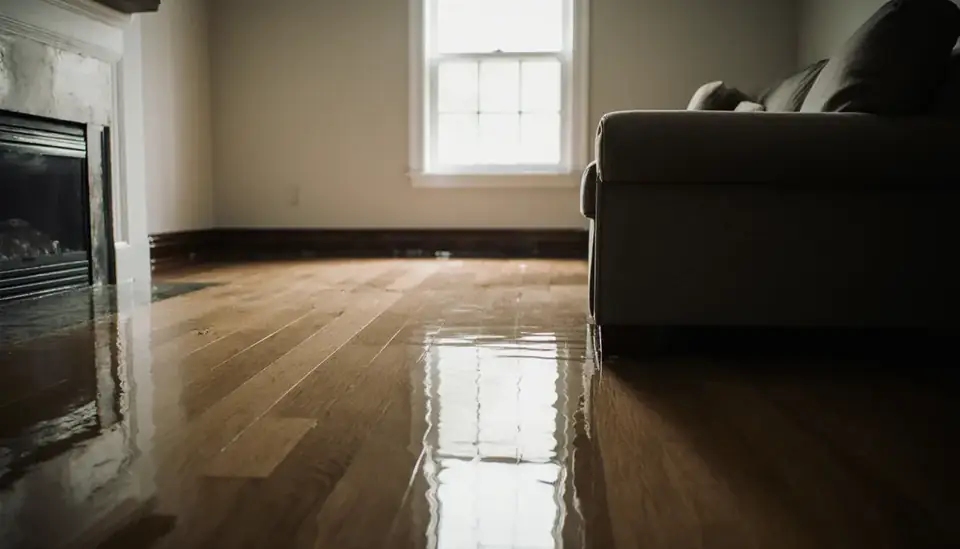
A burst supply line, an overflowing dishwasher and a storm that pushes rain under the door all start the same clock. Water moves quickly into drywall, insulation, subfloors and cabinet bases, and the longer it sits, the more of those materials end up being torn out instead of dried. Restoration is the coordinated work that stops the damage from spreading and brings the property back to the condition it was in before the loss.
The Restoration Job is a free call-connection service. We don't send crews or do the work; we connect callers with independent, third-party restoration providers that serve their area. This page walks through what a complete restoration project usually involves, so you know what to ask and what to expect once a provider is on site.
The Restoration Sequence, Step by Step
Most residential water losses follow a predictable order, even though the scale differs from job to job.
- Stop the source. Close the main water valve or the fixture valve, and switch off power to wet areas if the breaker panel can be reached from a dry spot.
- Inspection and moisture assessment. A technician traces how far the water traveled with moisture meters and often a thermal camera, then classifies the loss.
- Water removal. Standing water is pumped or vacuumed out; the emergency water extraction page covers that stage in detail.
- Controlled demolition. Materials that can't be dried, or that absorbed contaminated water, such as saturated carpet pad or soaked insulation, are removed.
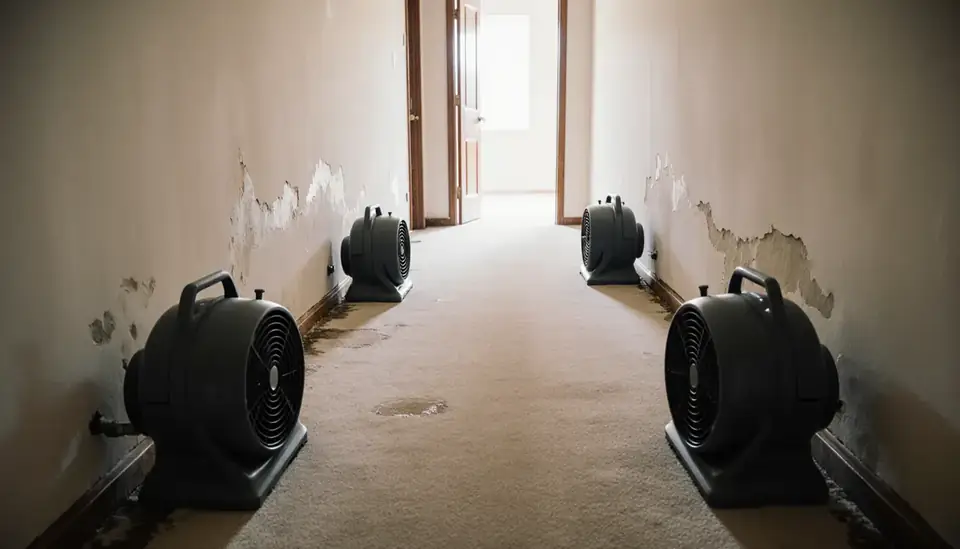
- Drying and dehumidification. Air movers and dehumidifiers run while readings are logged, a process explained on the structural drying page.
- Cleaning and antimicrobial treatment where the water source or the timeline calls for it.
- Repairs and reconstruction to replace everything that was taken out.
The first five steps are commonly grouped together as mitigation. Insurers and contractors often treat mitigation and rebuild as separate scopes of work, and the two are sometimes handled by different companies.
Categories of Water: Why the Source Matters
The industry's main reference document, the ANSI-accredited S500 Standard for Professional Water Damage Restoration, sorts water into three categories by how contaminated it is. Providers and adjusters use the same vocabulary, so it helps to know it.
- Category 1 comes from a sanitary source, such as a broken supply line, a leaking water heater or an overflowing sink with no contaminants in it.
- Category 2 carries enough contamination to make people sick, such as discharge from a washing machine or dishwasher, or an aquarium leak.
- Category 3 is grossly contaminated: sewage, rising water from outside, and water carrying pathogens or chemicals. The sewage backup cleanup page deals with that scenario.
Category can get worse over time. Clean water that sits for days in a warm house picks up contaminants from building materials and microbial growth, which is one reason a slow response so often turns a simple drying job into a removal job.
Classes of Water: How Much Has to Dry
Category describes how dirty the water is. Class describes how much moisture the structure absorbed and how hard it will be to dry. The standard uses four classes, summarized loosely here.
- Class 1: the least water absorbed, usually a limited area or mostly low-porosity materials.
- Class 2: significant absorption into carpet, cushion, wall and floor assemblies.
- Class 3: the greatest absorption, frequently from water that came from overhead and soaked ceilings, insulation, walls and subfloor.
- Class 4: deeply held moisture in dense materials such as hardwood, plaster, masonry and concrete.
Class drives how much equipment gets set and how long it runs. A Class 4 situation may call for very dry air or targeted drying methods and usually takes longer than a typical drywall-and-carpet loss.
Documentation for Your Insurance Claim
Restoration and the insurance claim run side by side. Coverage depends on your policy and the cause of the loss. According to the Insurance Information Institute, common homeowners policy forms cover accidental discharge or overflow from plumbing, heating and air conditioning systems, while flood damage is excluded and needs separate flood insurance. Before anything is thrown away, build a record:
- Photograph and video every affected room, including the source, water lines on walls and damaged contents, with model and serial numbers where visible.
- Keep a written list of discarded items with their approximate age and purchase price.
- Ask the provider for moisture readings, drying logs, equipment counts and photos, since adjusters commonly ask for that paperwork.
- Save receipts for emergency purchases, hotel stays and repairs to the source, such as the plumber's invoice.
- Notify your insurer promptly and write down claim numbers and the name of everyone you speak with.
Insurers sometimes suggest vendors. Ask your adjuster whether you are free to choose your own, and read any work authorization carefully before signing, particularly any clause that assigns your insurance benefits to the contractor.
How Long Restoration Takes and What Drives Cost
Timelines vary widely. A small Category 1 leak caught early might need a few days of drying and a minor patch. A finished basement that sat wet over a long weekend, or a loss involving hardwood floors and kitchen cabinets, can stretch into weeks once reconstruction, material orders and permits are added.
Cost depends on the affected square footage, the water category, how many materials have to be removed, how much equipment is set and for how many days, and the extent of the rebuild. Because of those variables, a dependable estimate usually comes only after an on-site inspection. Ask for a written scope that separates emergency mitigation from repairs, so you can compare line items with what your adjuster approves.
What to Expect When a Provider Arrives
The first visit is about assessment and stabilization, not cosmetic repair. A technician will usually walk the property with you, take readings in surrounding rooms, explain which materials can stay and which need to come out, and set up equipment. Expect to be asked to sign an authorization before work begins.
Drying equipment is loud and runs day and night. Leave it on and where it was placed unless the technician says otherwise, because moving air movers or unplugging dehumidifiers stalls progress. Most providers return daily or every other day to check readings and adjust the setup. When the structure reaches its drying goals, the project moves on to water damage repair and reconstruction.
To reach an independent restoration provider that serves your area, call (888) 317-9980. The line is free and answered 24/7.
Frequently Asked Questions
Is water damage restoration the same as water mitigation?
Not quite. Mitigation is the emergency portion: stopping the source, removing water, tearing out what can't be saved and drying the structure. Restoration usually refers to the entire project, mitigation plus the repairs that put the home back together. Insurers frequently handle the two as separate parts of one claim, and some providers only perform mitigation.
Can I dry out water damage myself with fans?
For a small, clean spill on hard surfaces that you catch right away, household fans and a dehumidifier may be enough. Water that has soaked into carpet pad, wall cavities or the subfloor is different. Fans dry the surface while moisture stays trapped underneath, which is where odors and mold start. A moisture meter reading, not a dry-to-the-touch feel, tells you whether materials are actually dry.
Does homeowners insurance pay for water damage restoration?
Often, when the cause is sudden and accidental, such as a burst pipe or a failed appliance hose. Damage from long-term leaks, lack of maintenance or flooding from outside is typically excluded, and sewer backup usually requires a separate endorsement. Read your declarations page and ask your adjuster what applies before major work begins.
Will I have to move out during restoration?
Many people stay home while drying equipment runs, especially when the damage is limited to one area. Moving out temporarily makes more sense when sewage or floodwater is involved, when the kitchen or only bathroom is unusable, or when someone in the household has respiratory problems. If you must leave, ask your insurer whether your policy includes additional living expenses.
What does The Restoration Job actually do?
We operate a free phone line that connects you with an independent restoration provider serving your area. We don't inspect properties, perform repairs, set prices or handle insurance claims. The provider you speak with is a separate business responsible for its own work, estimates and paperwork, so ask them your questions about scope, cost and scheduling directly.
Where this help is available
The The Restoration Job line takes calls from Florida, Georgia, Texas, Louisiana, Alabama, Mississippi, California, South Carolina, North Carolina, Tennessee, Arizona, New Mexico, Virginia, Maryland, Oregon, Washington, New York, New Jersey.