
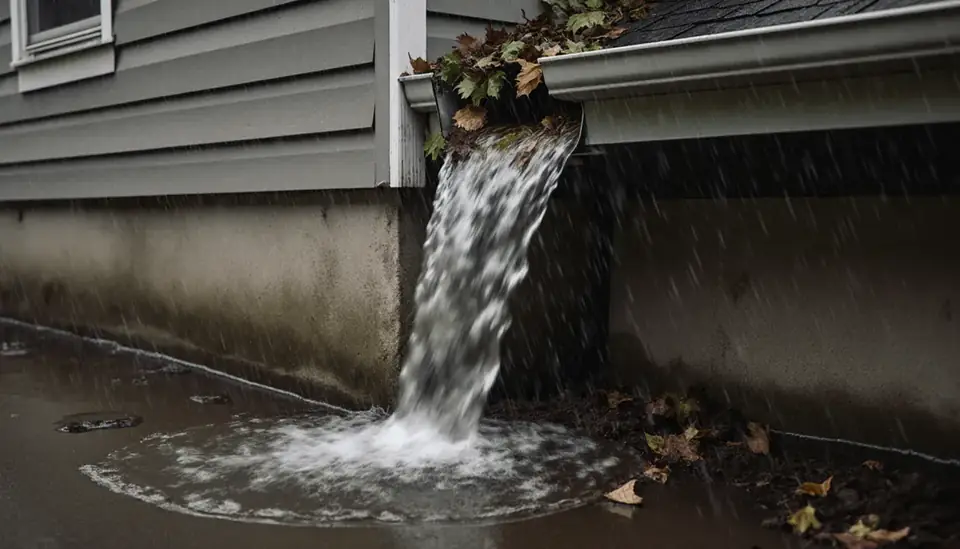
Oregon gets most of its water trouble between October and April. Warm, moisture-heavy storms roll in off the Pacific, soak the Coast Range and the Cascades, and send rivers like the Willamette, Rogue and Tualatin over their banks. The National Weather Service notes that the state's major floods often come from rain falling on snow, when subtropical air melts mountain snowpack on top of days of steady rain. Inside homes, the same wet season shows up as roof leaks, saturated crawl spaces, overwhelmed gutters and basements that seep after a week of storms.
The Restoration Job is a free referral line. Call (888) 317-9980 any time and we'll connect you with an independent restoration provider that serves your part of Oregon, whether the problem is a burst pipe in Portland, river water in a Willamette Valley home or a storm-soaked beach house on the coast. The provider handles the inspection, drying and repair work directly with you.
Rain-on-Snow Floods and the Willamette Valley Record
Oregon's flood history is mostly a winter story. The National Weather Service lists the 1964 Christmas flood, when heavy rain fell on snow and frozen ground and set record flows on nearly every major river, and the February 1996 flood, when rain and snowmelt topped 15 inches in some basins and caused more than $1 billion in damage across the Pacific Northwest. During the 1996 event, Portland's seawall came close to being overtopped, and Army Corps of Engineers reservoirs upstream lowered river levels at Portland by about two feet, according to the Oregon Encyclopedia.
The pattern still holds. Long storm sequences fill soils first, then rivers, and the homes that flood are usually on valley floors, along tributary creeks or behind aging levees. A flood cleanup after river water enters a home is different from a clean-water pipe leak, because floodwater carries silt, sewage and chemicals, and porous materials it touched usually have to be removed rather than dried.
Coast, Valley and High Desert: Different Water Problems
- North and south coast: Pacific storms bring wind-driven rain that finds its way through siding, windows and roof flashing. Low-lying towns near bays and river mouths can see tidal and river flooding at the same time.
- Portland metro and the Willamette Valley: Many older homes sit on crawl spaces or have partial basements. Water pooling under the floor can go unnoticed for weeks, wetting insulation and floor framing.
- Southern Oregon: The Rogue and Umpqua basins respond quickly to heavy subtropical rain, and the NWS records damaging floods there in the winter of 1996-97.
- Central and eastern Oregon: Colder winters make frozen and split pipes a bigger factor, and summer thunderstorms can produce flash flooding. The 1903 Heppner flood, caused by a single thunderstorm, remains the state's deadliest natural disaster.
Ice Storms, Frozen Pipes and Indoor Leaks West of the Cascades
Western Oregon does not freeze often, which is part of why hard freezes cause so much damage. During the January 2024 ice storm, burst pipes were reported across Portland, including at homes that lost power for many hours and at the airport's ticket lobby. Pipes in exterior walls, unheated garages and crawl spaces are the usual failure points. When a line splits, shut off the main valve, cut power to affected circuits, and get standing water out quickly with water extraction before it wicks into drywall and subfloors.
Mold is the follow-on concern in a climate this damp. Materials that stay wet for more than a day or two in a cool, humid crawl space or basement can start to grow mold, so moisture readings and structural drying matter as much as the visible cleanup.
Flood Insurance, State Emergency Management and Hiring a Contractor
The Oregon Department of Emergency Management points out that standard homeowners insurance often does not cover flooding or landslides. Flood coverage is usually a separate policy, most often through the National Flood Insurance Program, and new policies typically carry a waiting period before they take effect. Photograph damage before anything is removed and call your insurer early.
Oregon's Construction Contractors Board (CCB) offers an online search so homeowners can check a contractor's license status before hiring; the board's own advice is to check licenses. Rules for repair, restoration and mold work can change, so confirm current requirements with the CCB before signing a contract.