
Astoria climbs a steep hillside on the south shore of the Columbia River, a few miles from where the river meets the Pacific. The town averages around 67 inches of rain a year, most of it between late fall and early spring, and the air rarely dries out: monthly average humidity stays above 80 percent in every month of the year. That combination of long wet winters and old wood-framed houses is what drives most water damage in Astoria, far more than any single storm.
Our service costs you nothing: call (888) 317-9980 at any hour and we'll connect you with an independent restoration provider that serves Astoria and the rest of Clatsop County. The company you're connected with inspects the damage, explains its plan and pricing, and handles the work directly with you.
How the call works: when you call (888) 317-9980, The Restoration Job connects you with an independent restoration provider that serves Astoria. That provider inspects the damage, explains the scope and quotes the work. The Restoration Job doesn't perform restoration itself. Read our referral disclosure.
Victorian Houses on a Rain-Soaked Hillside
The Shively-McClure Historic District, which covers the blocks between Franklin and Lexington avenues from 9th to 18th streets, is described as Astoria's first neighborhood. Of its roughly 408 buildings, 343 went up before 1939, mostly in Victorian, Colonial Revival and Craftsman styles. Much of the rest of the hillside, and Uniontown near the foot of the Astoria-Megler Bridge, has housing of similar vintage.
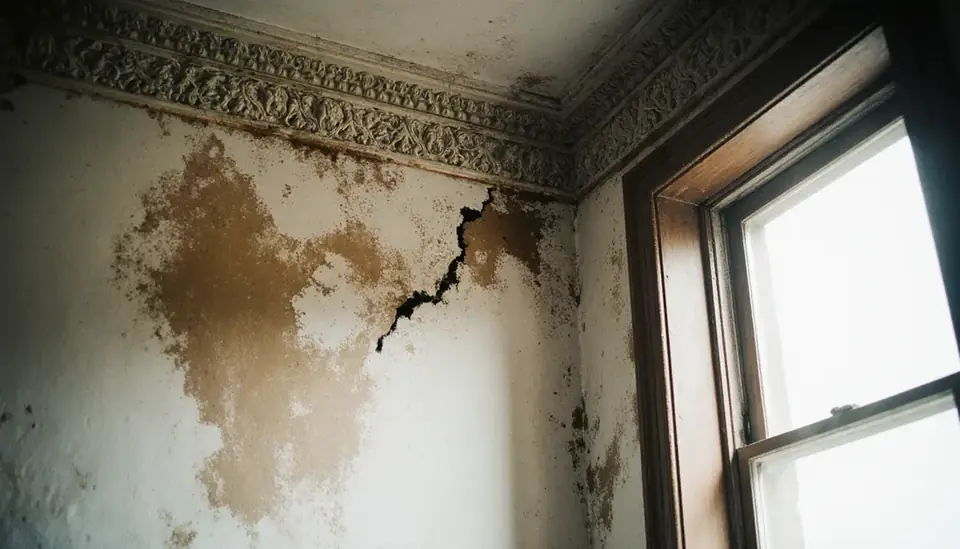
Older houses take on water in predictable places. Box gutters and built-in valleys hidden behind trim overflow during heavy rain and leak into walls. Original single-pane windows and worn siding let wind-driven rain into the framing. Plaster and lath can hold moisture inside a cavity for weeks before a stain or bubble shows on the surface. On a slope, runoff from the lots above also finds its way along foundation walls and into basements or crawl spaces. A careful water damage restoration job in a house like this starts with moisture mapping, not just a look at the obvious wet spot.
Downtown Buildings on Pilings
Astoria's downtown was originally built up on wooden pilings over marshy ground at the river's edge, and after the 1883 fire it was rebuilt the same way. During the 1922 fire, collapsing streets took out the water system. Today many commercial buildings and apartments downtown are old, tightly packed and connected by shared walls and plumbing, so a leak on one floor or in one storefront can reach a neighbor quickly.
For a business or a building with several tenants, it helps to know where the main shutoffs are before something fails, to notify the building owner and neighboring occupants right away, and to photograph damage in each affected space separately for insurance. A provider can extract standing water and set up drying equipment while the cause is traced.
December 2007 and the Big North Coast Storms
The Great Coastal Gale of December 2 and 3, 2007 produced wind gusts above 100 mph at Astoria. Every highway linking the Willamette Valley to the north coast closed for most of December 3 because of flooding, fallen trees or landslides, and phone service along the coast was out for days. The governor declared an emergency for Clatsop County, and federal disaster aid followed.
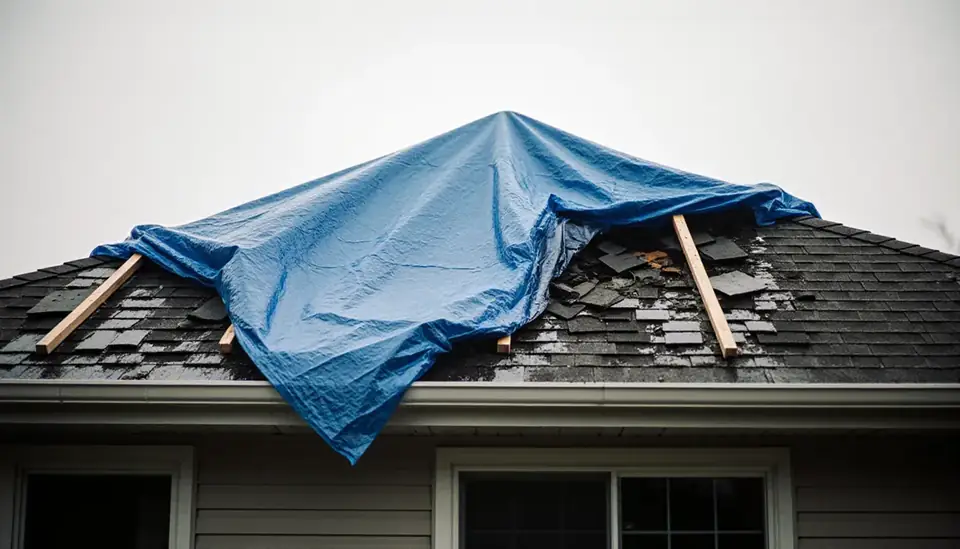
Storms like that one damage homes in layers: limbs through the roof, shingles stripped off, then days of rain pouring through openings before anyone can get up there. Tarping the roof and getting water out quickly limits how much has to be torn out later. Help with tarping, debris and interior drying falls under storm damage cleanup.
Mold in a Town Where Nothing Air-Dries
With humidity in the low-to-mid 80s from November through March, wet drywall, insulation and subfloor in Astoria will not dry by leaving a window open. Materials that stay damp for more than a couple of days are where mold starts, especially in closed wall cavities, attics with blocked vents and crawl spaces with torn vapor barriers.
Restoration crews in this climate generally rely on dehumidifiers and air movers, run long enough to bring readings back to normal, and remove porous materials that can't be dried. If you already see or smell growth, mold remediation with containment is the safer route than wiping and repainting.
First Moves Before the Drying Crew Arrives
- Shut off the water at the main if the source is a pipe, fixture or appliance.
- Turn off power to wet areas if the panel is dry and safe to reach.
- Photograph every affected room, the crawl space if visible, and the source before cleanup begins.
- Call your insurance company. Standard homeowners policies generally exclude rising floodwater, which needs separate flood coverage.
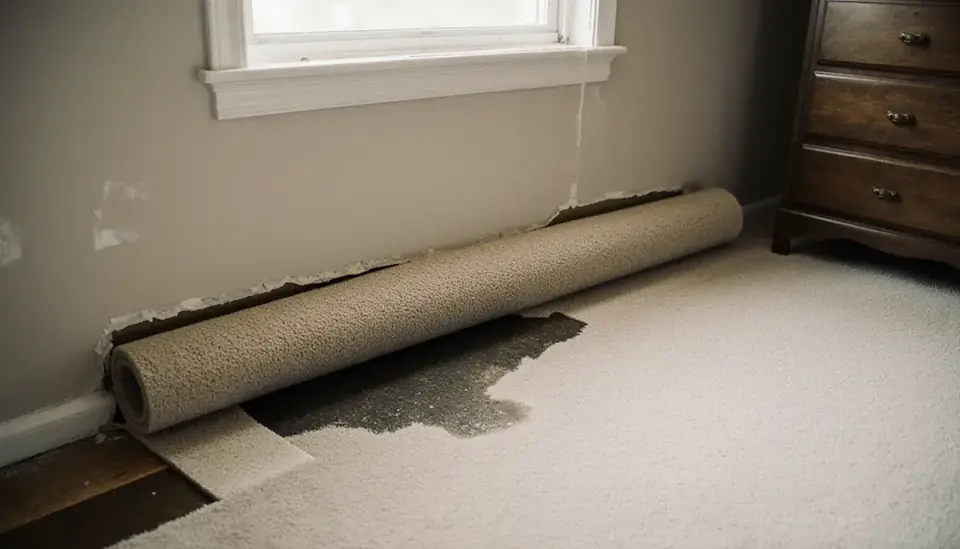
- Move rugs, furniture and stored items off wet floors to stop wicking and staining.
Astoria Neighborhoods and Surrounding Towns
Calls come in from across Astoria, including:
- Downtown Astoria
- Uniontown
- Shively-McClure Historic District
- Coxcomb Hill
The same line also serves nearby communities such as:
Questions From Astoria Property Owners
My older Astoria house has a stain spreading on a plaster ceiling after heavy rain. What is likely going on?
In houses of that age, the usual suspects are a box gutter or roof valley overflowing, failed flashing around a chimney, or a leak at a dormer. Water can travel along framing before it shows, so the stain may be some distance from the entry point. A provider can use moisture meters and sometimes thermal imaging to trace it, and plaster can often be dried in place if the water was clean and caught early.
Who do I call if a storm knocks a tree onto my roof?
If anyone is hurt, wires are down or the structure looks unstable, call 911 first. Then contact your insurer and call (888) 317-9980 to be connected with an independent restoration provider serving Astoria. Providers often offer emergency tarping and water removal after storms, though availability depends on how widespread the damage is across Clatsop County.
Is The Restoration Job a contractor?
No. We're a free referral line that connects callers with independent restoration companies. The provider you speak with is responsible for inspecting your property, quoting the work, and doing the extraction, drying and repairs under its own agreement with you. Ask how it documents moisture readings and drying progress, since your insurer will usually want that record.
Do I need flood insurance on the hillside?
Most hillside homes in Astoria are well above the river, and their water problems come from rain, plumbing and runoff rather than rising water. Lower properties near the waterfront or Youngs Bay are a different case. Check your address on the FEMA Flood Map Service Center, and remember that homeowners policies usually exclude flood damage even when they cover a burst pipe.