
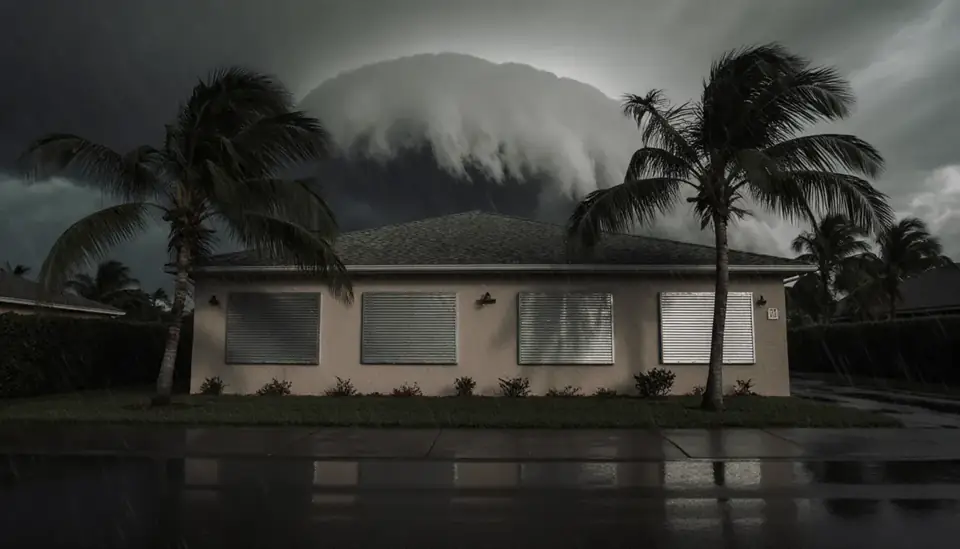
Florida sits low, wet and surrounded by water on three sides, so a flooded kitchen in Fort Myers and a soaked condo in Miami Beach often trace back to the same forces: tropical systems, tides and heavy rain falling on flat, slow-draining ground. Add warm temperatures and dew points that stay above 70 degrees through a rainy season lasting roughly five months, and wet drywall, flooring and cabinets can start growing mold quickly if drying is delayed.
The Restoration Job runs a free 24/7 phone line. Call (888) 317-9980 and we'll connect you with an independent restoration provider that serves your part of the state, whether the problem is storm surge, a roof leak after a squall line, an overflowing AC drain pan or a supply line that let go overnight. We are a referral service; the work itself is done by third-party companies.
Hurricane Surge on the Gulf and Atlantic Coasts
Storm surge is the costliest water threat for coastal Florida, and it has hit every part of the shoreline. When Hurricane Ian made landfall in southwest Florida in September 2022, the National Hurricane Center measured 10 to 15 feet of inundation above ground on Fort Myers Beach and Estero Island. Hurricane Irma in 2017 pushed 5 to 8 feet of water over the Lower Keys, then drove 3 to 5 feet of inundation along the coast from Cape Canaveral to the Georgia line, while the tidal St. Johns River flooded parts of Jacksonville with a mix of seawater and rain runoff. In the Panhandle, Hurricane Michael came ashore near Mexico Beach in October 2018 as a Category 5 storm.
Saltwater flooding is different from a clean-water leak. It leaves silt, debris and sometimes sewage behind, so affected drywall, insulation and carpet usually come out rather than being dried in place. A provider focused on flood cleanup will typically remove contaminated materials, clean and disinfect, and then dry the structure before any rebuild starts.
Rainy Season, King Tides and Inland River Flooding
Water damage in Florida is not limited to named storms. The National Weather Service in Tampa Bay describes a summer rainy season running roughly from late May into mid-October, with frequent afternoon thunderstorms and peak rainfall from July into early September. Those downpours overwhelm gutters, flat roofs and yard drainage, and they are a common cause of ceiling stains and wet sliding-door thresholds.
Along the southeast coast, seasonal king tides bring saltwater into low streets in Miami-Dade and Broward counties, sometimes on clear days, and coastal flood advisories are issued when tides run high. Inland areas are exposed too. Ian dropped close to 27 inches of rain in one spot near its landfall and pushed the Peace, Myakka and Alafia rivers to record crests, flooding homes far from any beach.
Slab Homes, Condos and Florida's Humidity
Most Florida houses are built on concrete slab foundations because of the high water table and sandy soils, and basements are uncommon. That changes how water spreads: it wicks into baseboards, drywall and the tack strip under carpet, and it can sit trapped under tile, laminate and vinyl plank. Common indoor sources include:
- AC condensate lines and drain pans that clog and overflow, often in attics or closets
- Water heaters in garages and utility rooms
- Ice-maker, washing-machine and toilet supply lines
- Roof and window leaks after wind-driven rain
- Unit-to-unit leaks in mid-rise and high-rise condos
Because humidity stays high most of the year, materials that are not dried promptly are prone to mold. Professional structural drying uses moisture meters, air movers and dehumidifiers to bring walls and subfloors back to normal levels, and visible growth may call for mold remediation.
Flood Insurance, Claims and Mold Work Rules in Florida
Standard homeowners policies do not cover flood. Flood coverage comes from a separate policy through the National Flood Insurance Program or a private insurer, and the Florida Department of Financial Services notes that new flood policies generally have a 30-day waiting period. After a loss, the department advises photographing damage, listing damaged contents, keeping samples of carpet and drywall, and saving estimates and receipts; NFIP claims require a proof of loss within 60 days.
Florida regulates mold assessment and mold remediation as professions under Chapter 468, Part XVI of the Florida Statutes, administered by the Department of Business and Professional Regulation. Ask any provider about their credentials, and confirm current requirements with DBPR before hiring for mold work. For evacuation zones, shelters and disaster updates, the Florida Division of Emergency Management is the statewide source.