

Vero Beach straddles the Indian River Lagoon, with older mainland neighborhoods around the historic downtown and a barrier island side where Riomar's sand-and-shell streets run between the river and the ocean. The two halves share the same weather but not the same risks. Island homes deal with salt air, dune erosion and surge, while mainland houses, some dating to the 1920s, are more likely to show water through aging roofs and plumbing.
Our free line connects callers with independent restoration providers. Call (888) 317-9980 at any hour and we'll put you in touch with a company that serves Vero Beach and Indian River County; the work itself is done by those third-party firms.
How the call works: when you call (888) 317-9980, The Restoration Job connects you with an independent restoration provider that serves Vero Beach. That provider inspects the damage, explains the scope and quotes the work. The Restoration Job doesn't perform restoration itself. Read our referral disclosure.
Jeanne, the Costliest Storm in County History
Hurricane Jeanne is the benchmark here. It struck on September 26, 2004, three weeks after Frances, and the National Hurricane Center recorded a 106-knot gust in Vero Beach along with just over 5 inches of rain. County records put Jeanne's damage above $3.4 billion, the most of any hurricane in Indian River County. Frances had already scoured the beaches, washing away up to 12 feet of dunes in places between Vero Beach and Cocoa Beach.
Many homes took wind-driven rain through roofs already weakened by the first storm. That pattern still guides storm damage cleanup here: secure the envelope, get water out of attics and ceilings, then dry walls and floors before mold sets in.
Two Tornadoes Downtown in October 2024
On October 9, 2024, as Hurricane Milton crossed the state, two EF-1 tornadoes hit downtown Vero Beach one shortly after the other. The National Weather Service in Melbourne reported extensive roof damage between 16th and 26th streets. Neighborhoods like Original Town and Osceola Park fall within that stretch, and older roofs there are less forgiving when wind lifts a section of shingles or metal.
- Look for ceiling stains and sagging drywall even if the roof looks intact from the ground.
- Check attic insulation; wet insulation holds water against the ceiling.
- Keep damaged materials or photos for your adjuster.

Riomar, Central Beach and Living Between Two Waters
On the island, homes sit between the lagoon on one side and the Atlantic on the other. Indian River County's flood information lists the ocean, the lagoon and its tributaries as the main flood sources, and the county adopted updated FEMA flood maps in January 2023. Ground-floor rooms, garages and pool decks near the water are the usual entry points when surge or a strong tide arrives.
Saltwater flooding leaves silt and salt residue in wall cavities, so water damage repair after a surge event usually includes removing lower drywall and insulation, cleaning framing and confirming it is dry before anything is rebuilt. City flood rules are in Chapter 73 of the municipal code, and the Planning and Development department can tell you how they affect repairs.
Historic Mainland Homes in Osceola Park and Original Town
Osceola Park was laid out in subdivisions starting in 1915 and holds many homes from the 1920s; it was added to the National Register of Historic Places in 2013. Original Town, just north of State Road 60, is similar in age. Some houses in these areas reflect the Florida cracker style, with wood framing and porches.
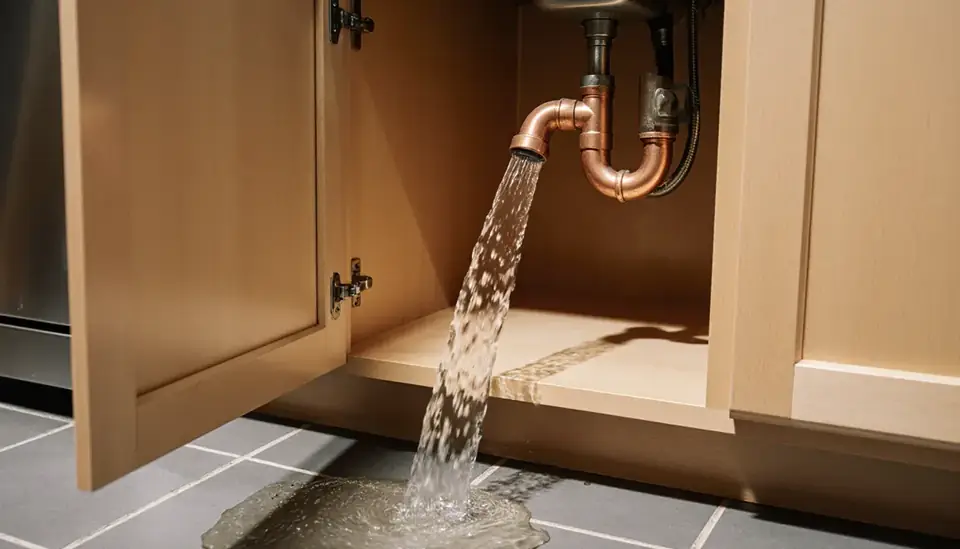
Drying these homes takes more care than drying a newer block house. Old-growth wood floors can cup if dried too fast, and older plumbing may fail again if only the visible leak is fixed. Ask the provider to explain how they plan to dry original materials before any are removed.
Late-Summer Rain and Mold Prevention
August and September are the wettest months, often bringing more than 7 inches each, and they overlap with peak hurricane season. Seasonal residents who close up homes for the summer sometimes return to find a slow leak and mold on walls or cabinets. Setting the AC to keep humidity in check, having someone check the house after storms and shutting the main water valve before a long absence all reduce the risk. If growth has started, removal of affected materials is more reliable than surface cleaning.
Neighborhoods and Nearby Communities
Calls come in from across Vero Beach, including:
- Riomar
- Central Beach
- Osceola Park
- Original Town
- McAnsh Park
- Historic Downtown
The same line also serves nearby communities such as:
- Indian River Shores
- Gifford
- Florida Ridge
- Vero Beach South
- Sebastian
- Fellsmere
- Fort Pierce
Questions From Vero Beach Property Owners
Does the January 2023 flood map change affect my Vero Beach home?
Indian River County adopted new FEMA flood maps effective January 26, 2023, and some properties changed zones. Look up your address on the FEMA Flood Map Service Center or the city's flood GIS map, and contact the city's Planning and Development department if you are inside city limits. Your zone affects insurance requirements and repair rules.
Is a barrier island home harder to restore after flooding?
Often, yes. Surge and lagoon water carry salt and sediment that can corrode metal fasteners and leave residue inside walls. Providers usually remove affected drywall and insulation, rinse and dry framing, and check electrical components. Access can also be slowed when bridges close during storms.
My seasonal home has been closed since spring. What should I check first?
Look at ceilings under bathrooms and the AC air handler, the area around the water heater, and the base of kitchen cabinets. A musty smell usually means hidden moisture. If you find water or mold, call (888) 317-9980 to be connected with an independent provider for an assessment.
Can wood floors in an older Osceola Park house be saved after a leak?
Sometimes. If the water was clean and is removed quickly, solid wood floors can often be dried with specialized mats and controlled dehumidification. Floors soaked by flood water or left wet for days are less likely to recover without cupping or warping. Ask for moisture readings before deciding.