
Few Florida cities have taken as many direct hits from wind as Fort Pierce. In 2004 Frances produced the state's highest recorded gust here and wrecked the municipal marina, Jeanne followed three weeks later with an even stronger gust at the inlet, and in October 2024 one of Hurricane Milton's tornadoes killed six people in the Spanish Lakes community just outside the city. Add the Indian River Lagoon, Moore's Creek and a barrier island across the inlet, and the local mix of water problems runs from roof leaks to tidal flooding.
The Restoration Job connects callers with independent, third-party restoration companies; we do not send crews ourselves. Call (888) 317-9980 any hour to be put in touch with a provider that serves Fort Pierce and the rest of St. Lucie County.
How the call works: when you call (888) 317-9980, The Restoration Job connects you with an independent restoration provider that serves Fort Pierce. That provider inspects the damage, explains the scope and quotes the work. The Restoration Job doesn't perform restoration itself. Read our referral disclosure.
Frances, Jeanne and the Wind Record at the Inlet
Both 2004 hurricanes made landfall on Hutchinson Island to the south. According to the National Hurricane Center's report on Jeanne, the Fort Pierce Inlet station logged a 111-knot gust, the highest measured in Florida during that storm. Frances, three weeks earlier, destroyed the city marina and several hangars at Treasure Coast International Airport, and the damage in St. Lucie County alone topped $1 billion.
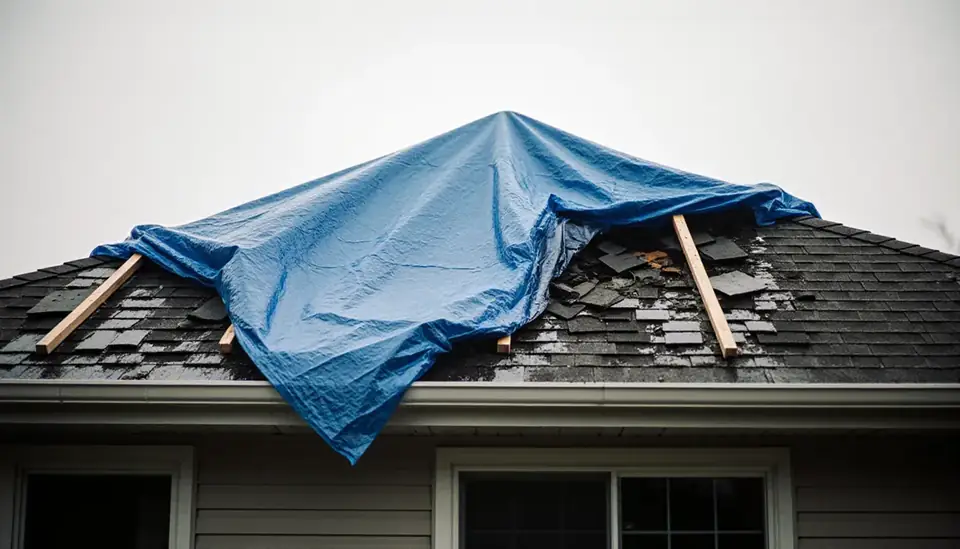
Wind damage becomes water damage quickly. Once shingles, soffits or window seals fail, rain enters with every band that follows. Storm damage cleanup after a hurricane usually means emergency tarping, removing soaked ceiling drywall and insulation, and running drying equipment while the roof is replaced.
Milton's Tornadoes and Sudden Roof Openings
Tornadoes are a real part of the hurricane risk here. On October 9, 2024, the National Weather Service in Melbourne surveyed an EF-1 in Fort Pierce that caused partial roof loss near the airport, and a separate EF-3 with winds near 155 mph that tracked 21 miles through the Fort Pierce, Spanish Lakes and Vero Beach area. A tornado can peel a roof open in seconds, well before the heaviest rain arrives.
- If the roof is open, cover what you can and move electronics and documents to a dry room.
- Do not enter rooms with sagging ceilings; wet drywall is heavy.
- Photograph every room before cleanup starts for the insurance claim.

The Lagoon, Moore's Creek and South Beach
Fort Pierce covers about 30 square miles, and roughly 6 of those are water. The Indian River Lagoon runs along the downtown waterfront, Moore's Creek winds through the north side near Lincoln Park, and South Beach sits on Hutchinson Island facing both the ocean and the lagoon. The city's flood hazard guidance points to two main causes: short, intense summer thunderstorms and the heavy rain that comes with tropical systems.
The city also asks residents to check whether a property lies in a special flood hazard area, a regulatory floodway, a repetitive loss area or seaward of the state's Coastal Construction Control Line. Those designations affect insurance and rebuilding rules, so look them up before major repairs. Drainage issues just to the south, where canals and roadside swales carry most stormwater, are covered on the Port St. Lucie page.
Older Homes Downtown and in Lincoln Park
Downtown and Lincoln Park, which began as the Edgartown settlement north of Moore's Creek, are among the oldest parts of the city, and many houses there are considerably older than the subdivisions to the south and west. Age changes what a leak turns up. Older supply and drain lines, roof decking that has been patched more than once and earlier repairs hidden behind newer finishes are all common once wet material is opened. If your home sits on a raised wood floor, ask the provider to check the subfloor and framing from below as well as the finished surface. Water damage repair in houses like these is often part drying and part uncovering what earlier owners left behind.
Humidity, Power Outages and Mold Growth
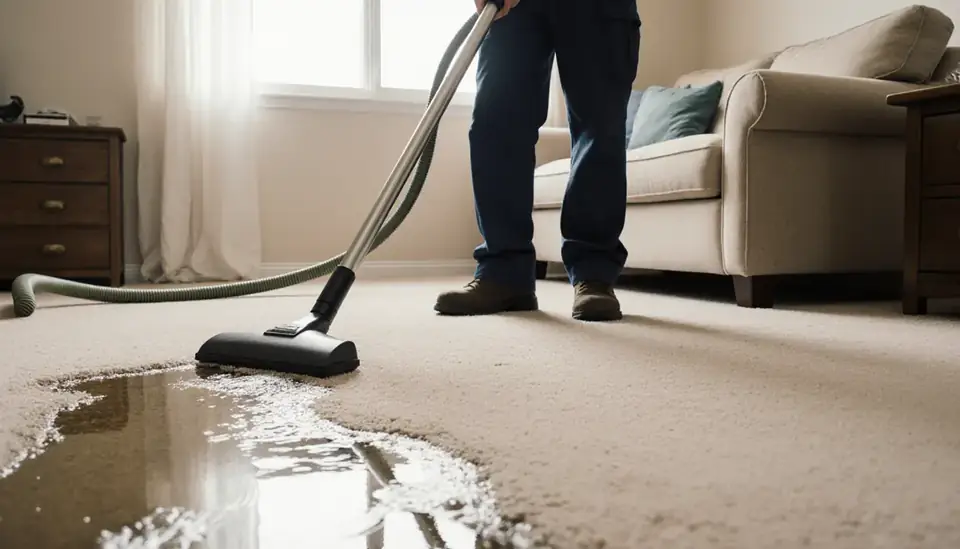
Most of the city's roughly 51 inches of annual rain falls from June through September, the same months as hurricane season. After a storm, homes can sit without power and air conditioning for days, and indoor humidity rises fast. That is when mold appears on drywall, closet walls and the backs of furniture.
Getting water out quickly and running dehumidifiers as soon as power returns limits the damage. Where growth has already started, mold remediation means containing the area, removing affected porous materials and cleaning framing before the wall is closed again.
Fort Pierce Neighborhoods and Surrounding Towns
Calls come in from across Fort Pierce, including:
- Downtown Fort Pierce
- Lincoln Park
- Lawnwood
- South Beach
The same line also serves nearby communities such as:
- Port St. Lucie
- Vero Beach
- St. Lucie Village
- White City
- Fort Pierce North
- Fort Pierce South
- Lakewood Park
- Indian River Estates
Common Questions
Should I wait for the insurance adjuster before starting cleanup?
No. Most policies expect you to take reasonable steps to prevent further damage, such as tarping a roof and removing standing water. Photograph and video every affected area first, keep receipts, and save samples of removed materials if your insurer asks. A restoration provider can document moisture readings that help the adjuster understand the extent of the loss.
How do I find out if my Fort Pierce property is in a flood zone?
Search your address on FEMA's Flood Map Service Center. The city's Community Rating System coordinator can also tell you whether your property is in a repetitive loss area, a regulatory floodway or seaward of the Coastal Construction Control Line. Those details matter for flood insurance and for permit rules when you rebuild.
Is water from the Indian River Lagoon treated differently from a pipe leak?
Yes. Lagoon or storm surge water is brackish and carries silt and bacteria, so it is classed as contaminated. Porous materials it reaches, like carpet, pad, insulation and lower drywall, are normally removed. A clean supply-line leak caught early can often be dried in place instead.
What should I do first if a tornado damaged my roof?
Make sure everyone is safe and stay out of rooms where ceilings are sagging. Shut off power to wet areas if it is safe to reach the panel. Cover openings or call for emergency tarping, then call (888) 317-9980 to be connected with an independent provider for water removal and drying.