
Parts of Boynton Beach sit less than two feet above sea level, according to the city's own resilience program, and that number explains a lot about the calls homeowners make here. Neighborhoods such as Lake Boynton Estates, pockets east of Federal Highway and the area around Industrial Way can take on water from a high tide, a slow-moving thunderstorm or both at once. Inland, older subdivisions depend on ditches and regional canals that back up when they are already full.
The Restoration Job is a free phone service. Call (888) 317-9980 any time and we will connect you with an independent restoration company that serves Boynton Beach and the surrounding part of Palm Beach County. Here is what local owners should understand about the risks and the cleanup.
How the call works: when you call (888) 317-9980, The Restoration Job connects you with an independent restoration provider that serves Boynton Beach. That provider inspects the damage, explains the scope and quotes the work. The Restoration Job doesn't perform restoration itself. Read our referral disclosure.
King Tides, Tidal Valves and Groundwater Under Low Streets
King tides are the unusually high tides that arrive each fall, and in Boynton Beach they can push water into streets on a sunny day. The Intracoastal Waterway splits the city, and seawater reaches the Lake Worth Lagoon through the Boynton Inlet, cut between Manalapan and Ocean Ridge and finished in 1927. When the tide is high, storm drains that empty toward the lagoon can run backward.
The city has installed tidal valves in affected neighborhoods to stop that backflow and maintains drains on a schedule. It also warns about a quieter problem: rising groundwater. As sea level climbs, the water table under low lots rises with it, so yards stay soggy longer, slabs stay damp, and rain has less room to soak in. Homes in these areas often show water damage slowly, as peeling baseboard paint, swollen door casings or a persistent damp smell, rather than as one dramatic flood.
October 2020: Two Weeks of Standing Water in Boynton Estates
After days of heavy rain in October 2020, streets around Southwest Fourth Avenue in the Boynton Estates area held standing water for as long as two weeks. Residents described drains that had not been maintained and regional canals running near capacity, which pushed water back into city ditches. Officials noted a hard tradeoff: opening canal gates to drain the neighborhood could let king tide water in. Some residents reported mold and structural problems afterward.
The lesson for owners is that a flood does not have to be deep to cause real damage if it lingers. Water that sits against exterior walls for days wicks into stucco and block, and anything that entered the house needs to be pulled out and dried quickly rather than waiting for the street to clear. Fast water extraction followed by structural drying keeps a shallow flood from turning into a mold job.

From the 1928 Hurricane to Wilma
The 1928 Okeechobee hurricane destroyed 46 homes in Boynton Beach, damaged 255 more, and collapsed the roof of the high school auditorium. Hurricane Wilma, on October 24, 2005, caused widespread damage to homes and businesses across the city. Today's houses are built to far stricter codes, but wind-driven rain still finds its way through roof coverings, soffits, sliding doors and window frames.
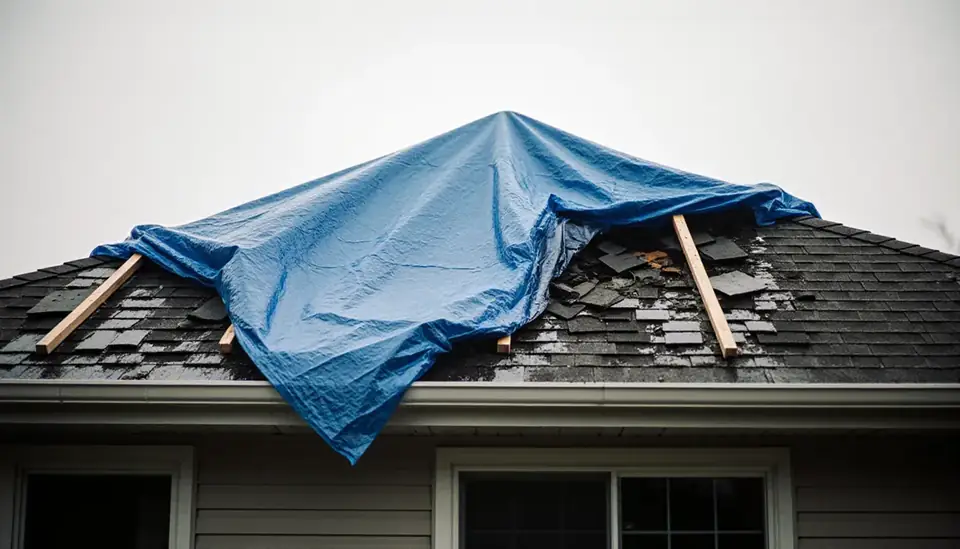
After a storm, check attics for wet insulation and ceilings for stains, even if nothing seems wrong at first. Tarp the roof, then remove soaked insulation and drywall so framing can dry. For larger losses, storm damage cleanup providers can coordinate tarping, debris removal and drying in one sequence.
Condos and 55-Plus Communities: Sorting Out Responsibility
Boynton Beach has many age-restricted and association-run communities, from older developments such as Leisureville and Sterling Village to newer gated neighborhoods. A leak in one of these buildings often involves more than one party. A failed water heater upstairs can damage the unit below, and the association may be responsible for common walls, roofs or exterior pipes while the owner handles interior finishes.
- Report the leak to the association or property manager right away and get the report number.
- Photograph both your unit and the source, if you can see it.
- Read your governing documents and policy to see who covers which materials.
- Let drying begin even while responsibility is sorted out, since waiting usually makes the damage worse.
Mold Risk in a Humid Coastal Town
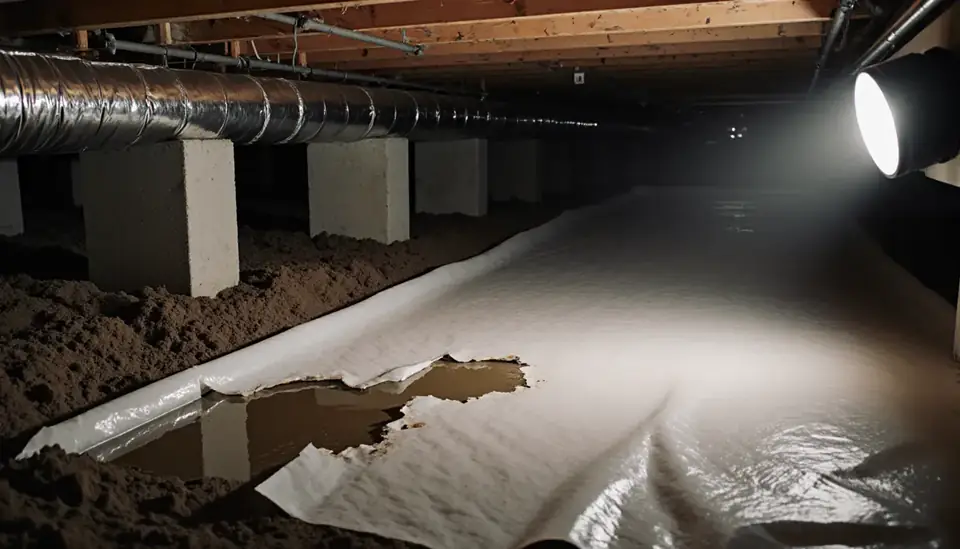
Boynton Beach is warm and humid for much of the year, and wet drywall or carpet can start to grow mold within a couple of days. Seasonal residents who close up a home with the air conditioning off are especially exposed, because a small toilet or condensate leak can run unnoticed. If you smell must or see spotting, find and stop the moisture source first. Then a provider can handle mold remediation by containing the area, removing affected materials and drying what remains.
Boynton Beach Neighborhoods and Surrounding Towns
Calls come in from across Boynton Beach, including:
- Downtown Boynton Beach
- Lake Boynton Estates
- Boynton Estates
- Leisureville
- Sterling Village
- Hampshire Gardens
- Lakeside Gardens
- Coquina Cove
- Hunters Run
The same line also serves nearby communities such as:
- Delray Beach
- Ocean Ridge
- Lantana
- Hypoluxo
- Manalapan
- Briny Breezes
- Gulf Stream
- Golf
Common Questions
My Boynton Beach property is not in a mapped flood zone. Can it still flood?
Yes. The city points out that about a quarter of flooding happens outside designated high-risk areas, and that a home in a hazard zone has roughly a 26 percent chance of flooding during a 30-year mortgage. Boynton Beach participates in the Community Rating System, which gives residents a 25 percent discount on National Flood Insurance Program premiums. Renters can buy contents coverage too.
Why does my street flood at high tide even when it is not raining?
During fall king tides, water in the Intracoastal and Lake Worth Lagoon can rise above the outlets of storm drains in low areas and flow back into the street. The city has added tidal valves in affected neighborhoods to block that backflow. If your street still floods, report it to the city and keep vehicles and stored items off the ground on high-tide days.
The unit above me leaked into my condo. Who pays for the cleanup?
It depends on where the leak started and what your association's documents say. Often the upstairs owner's policy or the association covers the source, while your own policy covers your interior finishes and contents. Document everything, notify the association in writing, and contact your insurer. Do not delay drying while the question is settled, since mold can develop quickly.
Where can I check my flood zone in Boynton Beach?
Palm Beach County has an interactive flood zone map, and FEMA's Flood Map Service Center has the official maps. The city's Development Department can also help answer questions about flood zones and elevation requirements. New countywide maps took effect in December 2024, so a zone you looked up years ago may have changed.