

Stuart sits about ten feet above sea level where the North and South Forks of the St. Lucie River come together, with the Indian River Lagoon and the Atlantic just beyond. Roughly a quarter of the city's area is water. That setting brings two hurricane landfalls within three weeks in 2004, creeks that respond to tides, and around 62 inches of rain in an average year, more than most of the Treasure Coast.
Call (888) 317-9980 any time and we'll connect you with an independent restoration provider that serves Stuart and Martin County. The Restoration Job is a referral service, so the drying and repair work is done by third-party companies.
How the call works: when you call (888) 317-9980, The Restoration Job connects you with an independent restoration provider that serves Stuart. That provider inspects the damage, explains the scope and quotes the work. The Restoration Job doesn't perform restoration itself. Read our referral disclosure.
Two Landfalls Just East of Town in 2004
Hurricane Frances came ashore on Hutchinson Island on September 5, 2004, and Jeanne crossed the south end of the same island, just east of Stuart, on September 26. In Martin County, Frances left 1,129 dwellings uninhabitable and destroyed at least 52 homes, and surge reached 5.89 feet above mean sea level at the St. Lucie Lock upriver.
Back-to-back storms are hard on houses because damage from the first is still open when the second arrives. Tarps that shift, ceilings that were wet but not yet removed and insulation left in place all make the second round worse. A provider doing water damage restoration after a hurricane should map every wet area with a moisture meter, not just the rooms with visible stains.
Riverfront, Creeks and Tidal Water
Frazier, Krueger and Poppleton Creeks drain much of the city toward the St. Lucie River. Instead of rushing runoff out, the city now holds stormwater back with retention areas and weirs, letting it soak into the shallow aquifer and cleaning it before it reaches the river. That approach helps water quality, but low lots near the creeks and the riverfront can still see standing water when heavy rain meets a high tide.
- Check your parcel on FEMA's flood maps; riverfront and creekside lots vary widely.
- Report flooded roads or blocked drainage to Martin County or the city's stormwater hotline.
- Remember that flood damage from rising water needs a separate flood policy.
Historic Downtown and East Stuart Buildings
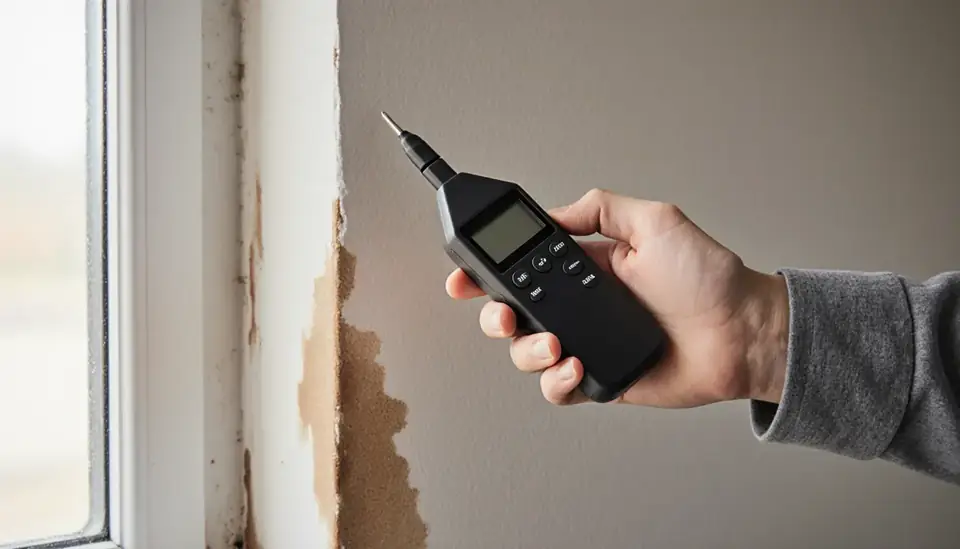
Stuart was founded as a railroad stop in 1894, and both the Downtown Stuart and East Stuart historic districts were added to the National Register of Historic Places in 2026. Downtown includes commercial blocks along Flagler Avenue and Osceola Street dating to the early and mid-1900s. East Stuart grew from the Lincoln Park subdivision laid out in 1913, and today its homes are mostly post-World War II, with a few from the 1920s.
Older wood-frame and masonry buildings need careful drying. Plaster, original wood floors and old framing respond differently than modern drywall, and aggressive heat can crack or cup them. Controlled structural drying with steady monitoring protects materials worth keeping.
Tornado Damage From Milton in 2024
Hurricane Milton did not make landfall on this coast, but it spawned tornadoes across Martin County on October 9, 2024. The National Weather Service rated one near Stuart an EF-1 that badly damaged mobile homes and tore off entire roofs. A second, an EF-2 with winds near 120 mph, damaged nearly 30 homes in the Mariner Sands community, with total roof loss and partial wall collapse in places.
After a tornado, rain often finishes what the wind started. Securing openings the same day and pulling wet insulation from attics within the first day or two can keep a roofing claim from turning into a whole-house water claim.
Mold Risk in a Wet, Warm Climate
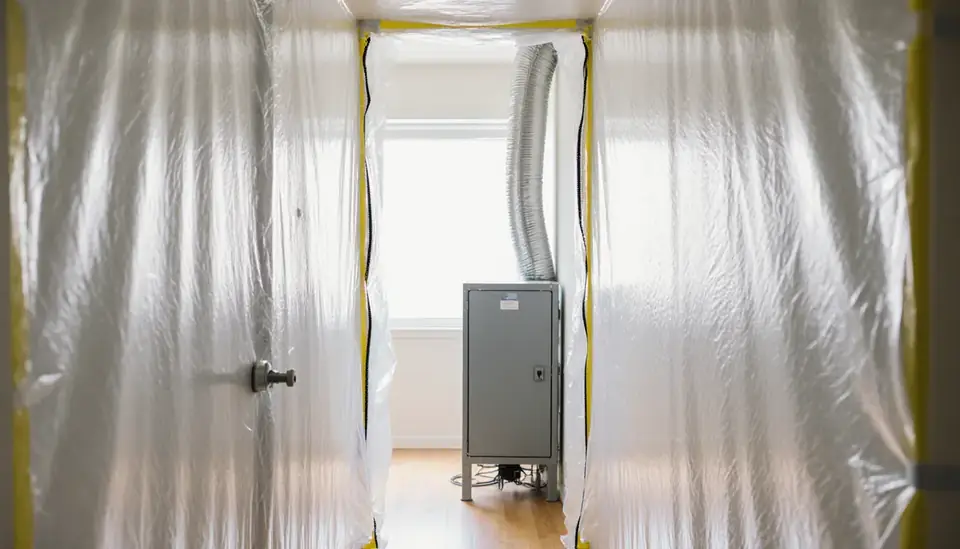
With rainfall heavier than much of the region and a long, humid summer, wet materials in Stuart can begin growing mold quickly. Waterfront homes that sit closed for part of the year and condos where the AC was shut off are common places to find it. The safest approach is fast drying, then a follow-up moisture check before walls and floors are closed back up. If growth has started, a professional should remove the affected material instead of covering it with paint or sealer.
Areas In and Around Stuart
Calls come in from across Stuart, including:
- Downtown Stuart
- East Stuart
- South Stuart
The same line also serves nearby communities such as:
- Sewall's Point
- Jensen Beach
- Palm City
- Port Salerno
- North River Shores
- Rio
- Ocean Breeze
- Port St. Lucie
Questions From Stuart Property Owners
Do Lake Okeechobee releases cause flooding in Stuart homes?
Releases through the C-44 canal mainly affect water quality and salinity in the St. Lucie River rather than flooding houses directly. Home flooding here more often comes from heavy rain, tides on the creeks and riverfront, and tropical storm surge. Check your property's flood zone and keep a separate flood policy if you are close to the water.
My historic home has plaster walls. Can they be dried instead of replaced?
Often, yes, if the water was clean and the plaster is still firmly attached. Plaster and lath usually tolerate controlled drying better than drywall, but they dry slowly and need monitoring. If the water came from a flood or sewage, or the plaster has separated from the lath, replacement may be needed. Ask the provider to explain readings before anything is removed.
Who handles flooded streets and blocked drains?
The City of Stuart manages its own stormwater system and offers a stormwater hotline, while Martin County takes reports for county roads and drainage through its flood reporting page. If water has already entered your home, call (888) 317-9980 to be connected with an independent provider for extraction and drying.
How soon after a storm should drying start?
As soon as it is safe to enter. In this climate, damp drywall and carpet pad can begin to grow mold within a couple of days, especially if the power is out. Document damage with photos, remove standing water, and get dehumidifiers running as early as possible.