
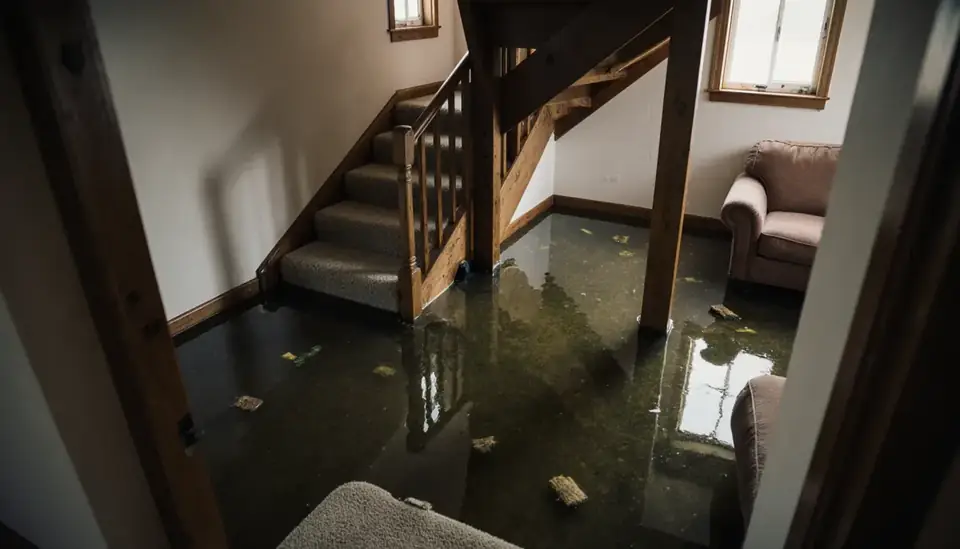
New York's water problems change with the map. Around New York City and Long Island, the threats are storm surge and short, extreme downpours that overwhelm sewers and fill basements. Upstate, rivers such as the Mohawk, Susquehanna, Chemung and Hudson flood after tropical rains or a sudden snowmelt, Lake Ontario's shoreline has seen record high water, and long winters make frozen and burst pipes a routine cause of damage.
The Restoration Job is a free referral line, not a contractor. Call (888) 317-9980 and we'll connect you with an independent restoration provider that serves your area, from a Queens basement apartment to a Rochester lakefront house.
Sandy, Ida and Flooding in New York City
Sandy struck on October 29, 2012, with storm surge raising water levels as high as 13.88 feet in the city, according to Baruch College's NYCdata. New York recorded 42 deaths, most on Staten Island, and the city's damage exceeded $19 billion. Staten Island and Breezy Point in Queens were among the hardest-hit areas.
Nine years later, the remnants of Ida showed a different threat. NYC's Department of Environmental Protection reports that Central Park recorded 3.15 inches of rain in one hour on September 1, 2021, the highest hourly total on record there, and three of the four highest hourly totals there have occurred since 2021. NPR reported that many New Yorkers who died in Ida were trapped in flooded basement apartments. Cloudburst flooding can put water into cellars and ground floors far from any shoreline, often mixed with sewer backup, which calls for proper sewage cleanup rather than a simple mop-up.
Long Island's Bays, Barrier Beaches and High Water Tables
Long Island's South Shore, from Long Beach and Island Park through the Great South Bay communities, sits low against tidal bays and barrier beaches, the kind of shoreline Sandy's surge flooded across coastal New York. Many homes there have basements or crawl spaces close to the water table, so groundwater seepage, tidal flooding and storm surge can all reach the lower level. After saltwater exposure, flood cleanup usually means removing wet drywall and insulation, cleaning salt residue from framing and checking boilers, water heaters and electrical panels before they are put back in service.
Upstate Rivers, Snowmelt and Lake Ontario High Water
The National Weather Service's New York flood history reads like a tour of the state's river valleys. Hurricane Agnes in 1972 devastated Elmira and Corning along the Chemung. In January 1996, 2 to 4 inches of rain on a deep snowpack flooded the Schoharie, Mohawk, Hudson, Susquehanna and Delaware basins, and 41 counties were declared disaster areas. In June 2006, the Mohawk, Susquehanna and Delaware rose again, destroying two I-88 bridges.
Along Lake Ontario, the International Joint Commission reports record high lake levels in 2017 and an even higher record in 2019, damaging shoreline homes and docks as far as Ogdensburg on the St. Lawrence. Upstate winters add another layer: pipes in exterior walls, crawl spaces and seasonal homes freeze and split, and ice dams can force meltwater through roofs and ceilings.
Mold Rules, Flood Insurance and Getting Help in New York
New York is one of the few states with a mold licensing program. Under Article 32 of the Labor Law, the Department of Labor licenses mold assessors, remediation contractors and abatement workers, and the same company cannot both assess and remediate the same property. Confirm current requirements with the NYS Department of Labor's Mold Program before hiring for mold remediation.
- Flood damage is generally excluded from homeowners policies; flood coverage is a separate policy, mainly through the National Flood Insurance Program, and new policies usually carry a waiting period.
- NFIP coverage in basements is limited to certain items, which matters in a state with so many below-grade living spaces.
- The NYS Division of Homeland Security and Emergency Services publishes flood preparation and recovery guidance.