
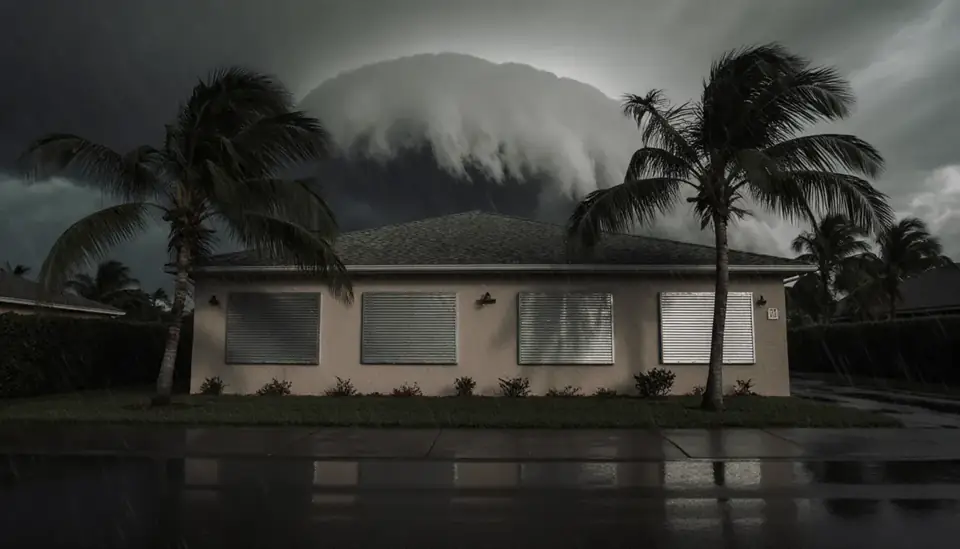
South of Merrick Road, Massapequa is laced with canals that run as much as a mile inland from South Oyster Bay. Those waterways give many homes direct water access, and they also carried Hurricane Sandy's surge deep into the hamlet on October 29, 2012. Floodwater rose along the shoreline and up every canal at once, schools stayed closed for days or weeks, power was out for weeks in places, and hundreds of houses had to be gutted and rebuilt over the following year.
The Restoration Job is a free phone line that pairs callers with independent restoration providers; it does not perform the work itself. Call (888) 317-9980 any time to be connected with a company serving Massapequa and the neighboring hamlets in the Town of Oyster Bay.
How the call works: when you call (888) 317-9980, The Restoration Job connects you with an independent restoration provider that serves Massapequa. That provider inspects the damage, explains the scope and quotes the work. The Restoration Job doesn't perform restoration itself. Read our referral disclosure.
Canals That Bring the Bay a Mile Inland
A canal grid changes how flooding behaves. Rather than a single shoreline taking the hit, water climbs the bulkheads along dozens of dead-end channels and spills into yards on both sides. Garages, laundry rooms and lower-level dens are usually the first to flood, followed by crawl spaces and ductwork. Because the water arrives from the bay, it carries salt, sediment and often sewage, which means porous materials it reaches generally have to be removed.
Owners of canal-front homes should confirm their flood zone on FEMA's Flood Map Service Center, keep flood insurance in force (homeowners policies generally exclude rising water) and keep an inventory with photos stored somewhere other than the house.
From Resort Hotels to the Postwar Boom
Massapequa began as a resort area; the Massapequa Hotel, built in 1888, drew summer visitors until it closed in 1914. The real transformation came after World War II, when the population leapt from about 3,500 in 1940 to roughly 40,000 by 1960. Much of today's housing dates from that boom or later, and many houses have been expanded since. The age of the housing matters for water damage:
- Original copper and galvanized lines from the 1950s and 1960s are now well past middle age.
- Additions and second-story expansions can create roof valleys and flashing joints where leaks begin.
- Any house that has been elevated still has utilities, storage and framing below the living floor that need protecting.

Storm Season Planning With the Town of Oyster Bay
Massapequa is in the Town of Oyster Bay, which runs a 24-hour Emergency Operations Center and a SMART911 alert system. Signing up for alerts gives early notice of coastal flood warnings and evacuation information. Before a hurricane or nor'easter, raise or move items stored at ground level, clear storm drains near the house, park vehicles on higher ground and charge phones and a backup sump pump battery.
After the storm, the first priority is safety: keep power off to any area where water touched outlets or appliances, and stay out of water that may carry sewage. Then document the damage and arrange storm damage cleanup as soon as it is safe to enter, because the first few days determine how much can be dried rather than replaced.
Gutting and Drying Without Trapping Moisture
After Sandy, many Massapequa homeowners learned that the order of work matters. A sound flood restoration sequence goes like this: remove standing water and mud, cut drywall and insulation above the water line, clean and disinfect, then dry the framing and slab fully before rebuilding. Reinstalling drywall over studs that still hold moisture is one of the most common causes of mold appearing months later. A provider offering flood cleanup should log moisture readings throughout drying and share them with you and your adjuster.
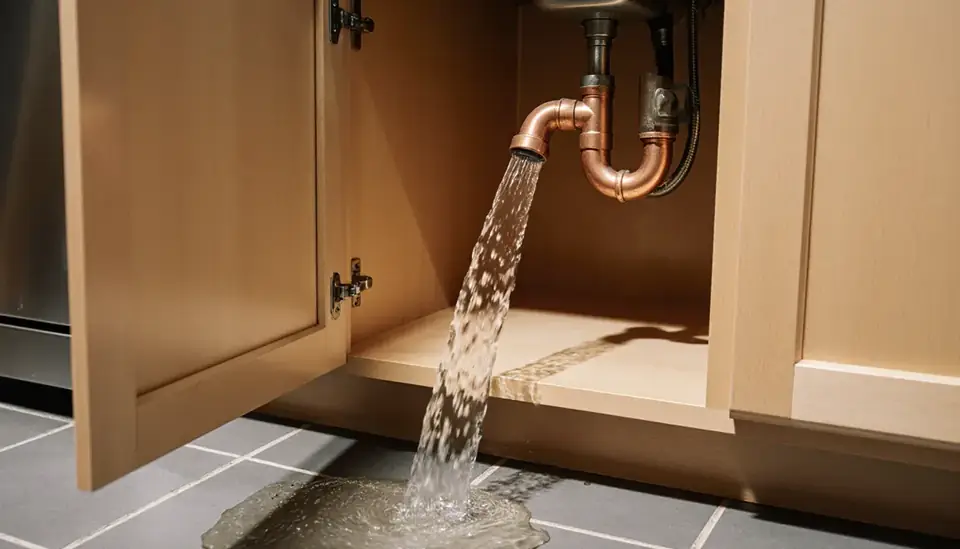
Not every call involves a storm. Water heater failures, dishwasher leaks and burst pipes in a January cold snap are frequent too, and clean-water leaks caught quickly can often be dried in place.
Humidity, Canal Air and Mold Prevention
With bay water on one side and long humid summers, indoor moisture is a constant concern near the canals. Lower levels and crawl spaces that flooded once tend to stay damp unless they are actively dehumidified. Watch for musty odors, discoloration on the lower part of walls and warping floors. Keeping indoor humidity near 50 percent, venting dryers and bathrooms outdoors and fixing small leaks promptly prevents most growth. Larger or recurring growth, or any after floodwater, calls for professional mold remediation with containment.
Where Callers in the Massapequa Area Are
The same line also serves nearby communities such as:
- Massapequa Park
- North Massapequa
- East Massapequa
- Seaford
- Levittown
- South Farmingdale
Frequently Asked Questions
Why did Sandy flood homes so far from the bay in Massapequa?
The canals carried the surge inland. Massapequa's canal network runs about a mile north from the shoreline, so when the bay rose during Sandy, water climbed the bulkheads along every channel at once rather than stopping at the coast. Homes several blocks from open water but backing onto a canal flooded much like waterfront houses.
Is north Massapequa at the same flood risk as the canal area?
Generally less, because the land rises away from the bay and there are no tidal canals. Homes farther north are more likely to see basement or lower-level water from heavy rain, failed sump pumps or plumbing leaks. Flood maps are drawn property by property, so the only reliable answer for a specific house is its designation on FEMA's Flood Map Service Center.
How do I get storm alerts here?
The Town of Oyster Bay offers SMART911, its emergency notification system, and runs a 24-hour Emergency Operations Center. The National Weather Service office in Upton issues coastal flood and storm warnings for Nassau County. Signing up for town alerts and keeping a weather radio or phone alerts turned on gives the earliest notice before a surge.
Can wet drywall be saved after a canal flood?
Usually not. Floodwater from the bay is treated as contaminated, and gypsum drywall wicks it upward and holds it. Standard practice is to cut it out above the water line, clean and disinfect, dry the studs and then install new board. Drywall wet only by a clean supply-line leak and dried quickly can sometimes stay.