
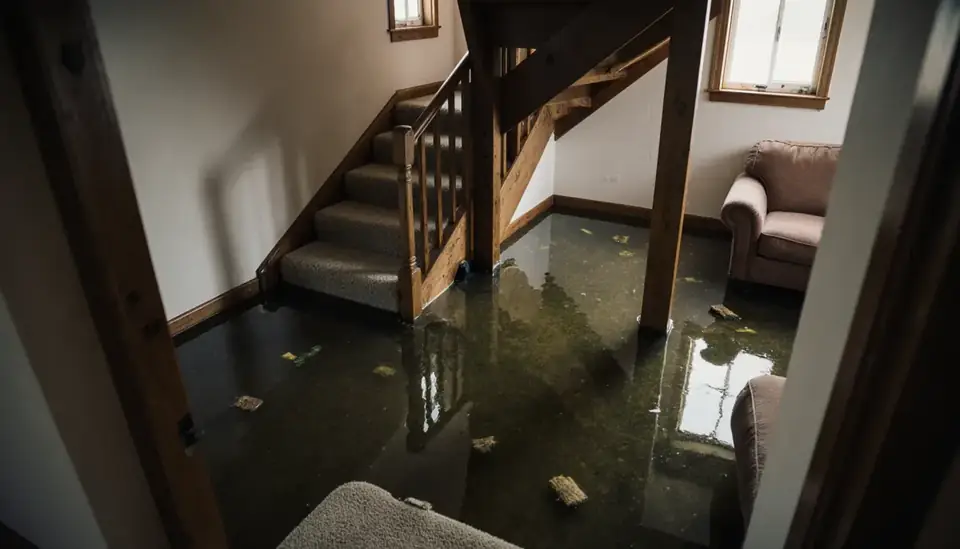
New Jersey's flood history runs through both its coastline and its rivers. Superstorm Sandy set a record 14-foot storm surge at Sandy Hook in 2012, while inland river basins like the Passaic and Raritan have flooded repeatedly when tropical systems stall over the state. Many homes sit in between, close enough to a stream, tidal marsh or overloaded storm drain to take water in a hard rain.
The Restoration Job is a free call-connection service. Call (888) 317-9980 and we'll connect you with an independent restoration provider that serves your town. Typical calls range from flooded basements in Bergen County to surge damage at the Shore and burst pipes in Hudson County apartments.
Superstorm Sandy and the Jersey Shore's Surge Risk
Sandy made landfall at high tide in October 2012 and drove what NOAA called catastrophic storm surge into coastal New Jersey and New York. The National Weather Service lists a record 14-foot surge at Sandy Hook, 2 million people without power, 37 deaths and about $30 billion in damage in New Jersey. Surge also pushed up the Hackensack, Raritan and Arthur Kill, flooding communities well behind the beaches.
Barrier island and bayfront towns from Sea Bright to Cape May, along with low areas of Hoboken, Little Ferry and Moonachie, face the same exposure in future storms and in nor'easters. Saltwater intrusion damages drywall, insulation, wiring and mechanical equipment, so flood cleanup after a surge event typically involves removing materials to a measured flood line and drying the structure before any rebuild.
River Flooding in the Passaic, Raritan and Delaware Basins
New Jersey's rivers have produced some of its worst disasters. According to the National Weather Service, back-to-back tropical systems in August 1955 sent the Delaware River into a flood that killed 191 people. In 1999, the remnants of Hurricane Floyd dropped more than 8 inches of rain across 12 counties and pushed rivers 8 to 14 feet above flood stage in the Raritan basin. Tropical Storm Irene in 2011 brought more than 10 inches to the Passaic and Raritan basins and damaged about 200,000 homes.
Ida in September 2021 showed how quickly small rivers can rise: in Elizabeth, the Elizabeth River overflowed and put up to ten feet of water into an apartment complex, according to the Rutgers New Jersey State Policy Lab. Towns along the Passaic, Pompton, Raritan, Millstone and Rahway rivers see basements fill from both groundwater and overland flow, often with silt and sewage mixed in.
Basements, Older Housing and What Restoration Involves
Much of North and Central Jersey's housing has basements, from pre-war two-families in Hudson and Essex counties to split-levels in Middlesex and Morris. Common problems include sump pumps overwhelmed or without power, sewer backups through floor drains, and water heaters and boilers located in the basement. Shore homes are more often on crawl spaces or raised foundations.
- Clean-water leaks from pipes or appliances call for quick water extraction and drying, ideally within a day or two.
- Floodwater and sewer backups are treated as contaminated; porous materials such as carpet and drywall that they touched are generally removed.
- New Jersey's humid summers and damp basements give mold a head start, so moisture readings should confirm framing and subfloors are dry before walls are closed.
Flood Insurance and Hiring Help in New Jersey
Standard homeowners policies generally do not cover flooding. Flood coverage is a separate policy, usually through the National Flood Insurance Program, and new policies typically have a waiting period. Check your flood zone on FEMA's Flood Map Service Center, and follow the New Jersey Office of Emergency Management (ReadyNJ) for storm preparedness and recovery information.
Home improvement contractors in New Jersey register with the Division of Consumer Affairs. Confirm current requirements with the Division and verify a contractor's registration before signing a repair contract, and keep photos and a list of damaged items for your claim.