
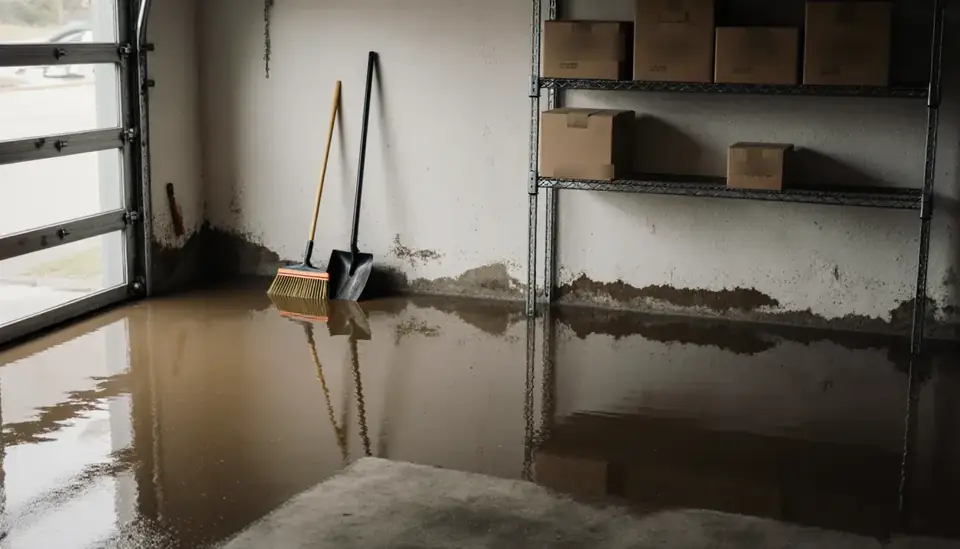
Elizabeth sits where three bodies of water meet: the channelized Elizabeth River running about four miles through the city, Newark Bay to the east and the Arthur Kill to the southeast. The city averages only 16 feet above sea level, and on September 1, 2021, the remnants of Ida showed what that means. The Elizabeth River overflowed and, according to the Rutgers New Jersey State Policy Lab, put up to ten feet of water into the Oakwood Plaza apartments beside it, killing four people and displacing more than 600 residents.
Most calls here are smaller than that, but the patterns repeat: floor drains backing up during cloudbursts, basements in century-old houses taking groundwater, and pipes splitting in cold snaps. The Restoration Job connects callers at no charge: dial (888) 317-9980 and we'll put you in touch with an independent restoration provider that works in Elizabeth.
How the call works: when you call (888) 317-9980, The Restoration Job connects you with an independent restoration provider that serves Elizabeth. That provider inspects the damage, explains the scope and quotes the work. The Restoration Job doesn't perform restoration itself. Read our referral disclosure.
A Channelized River That Still Leaves Its Banks
The Elizabeth River starts in Irvington, runs south through Union Township and Hillside, and enters the city at Trotters Lane. From there it passes under a long string of bridges in a mostly engineered channel before draining into the Arthur Kill. Levees and concrete walls move water quickly in an ordinary storm, but a tropical downpour can fill that channel faster than it empties, and water then finds the lowest ground nearby.
The Rutgers researchers who studied the Ida deaths found that an 1891 atlas showed an old water body at the very spot where the Oakwood Plaza complex now stands. That pattern matters across older cities: filled marshes and buried streams tend to flood again. If your block sits near the river corridor or on what was once wetland, assume your basement can take water in a hard rain and plan accordingly.
From Elizabethport to Elmora: Old Houses, Shared Walls
Elizabeth was founded in 1664 and served as the first capital of New Jersey, so its housing spans more than a century of building practices. Elizabethport, the oldest neighborhood, still has colonial-era and nineteenth-century structures near newer waterfront apartments. Elmora, Peterstown and the North End are dense with multi-family houses, and the city held about 45,500 housing units at the 2020 census.
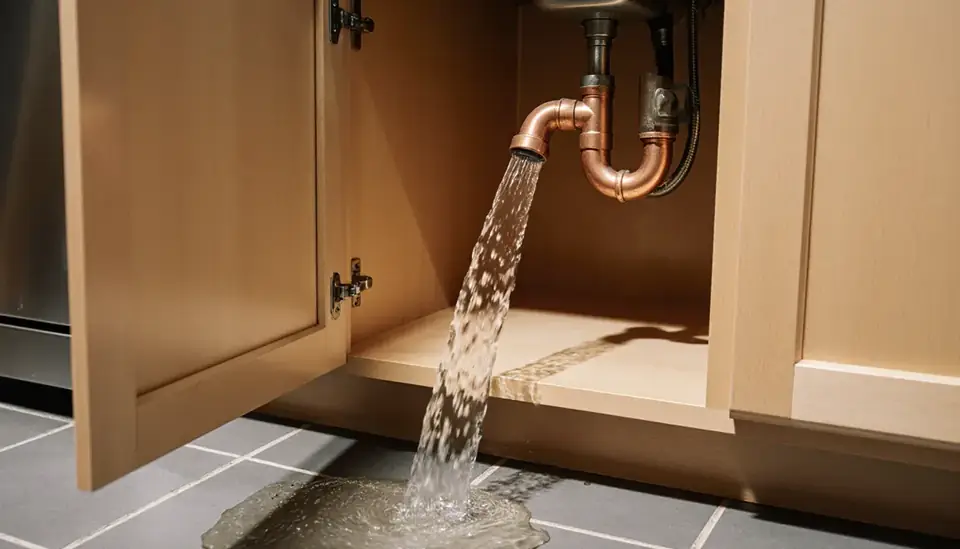
In attached and multi-unit buildings, one leak rarely stays in one unit. A failed supply line on a third floor shows up as a stained ceiling on the second and a puddle in the basement. Owners and tenants should notify each other quickly and photograph every affected space, because the source unit and the damaged units may be covered under different policies. A water damage restoration provider can trace moisture through floors and wall cavities with meters rather than guessing from visible stains.

Tidal Water and Storm Surge Along the Arthur Kill
Union County was one of four North Jersey counties included in the governor's expedited federal disaster request on the day Superstorm Sandy made landfall in October 2012, and the waterfront sections facing Newark Bay and the Arthur Kill are the parts of the city most exposed to tidal flooding. Saltwater in a basement or ground floor is harder on wiring, appliances and drywall than rainwater, and it usually carries fuel and debris from streets and industrial areas.
Flood insurance through the National Flood Insurance Program is separate from a standard homeowners or renters policy. Before storm season, check your address on the FEMA Flood Map Service Center and confirm what your coverage includes for basement contents, which are often limited.
What Cleanup Looks Like After a Flood or Sewer Backup
Water that comes up through floor drains or over a riverbank is treated as contaminated. In Elizabeth basements, that typically means:
- Pumping out standing water and removing silt before anything dries in place.
- Cutting out wet drywall and insulation to a measured line above the high-water mark, and discarding soaked carpet and padding.
- Cleaning and disinfecting concrete, framing and masonry, then running dehumidifiers and air movers until readings return to normal.
- Having an electrician or the utility check any boiler, water heater or panel that sat in water before it is restarted.
For a backup from the sewer line, see our page on sewage cleanup for what that work generally involves.
Sticky Summers and Mold in Elizabeth Basements
Elizabeth straddles the line between a humid subtropical and a humid continental climate, with hot, sticky summers and cold winters. Basements here stay damp for weeks after a flood if nobody runs dehumidification, and mold can start on drywall paper, carpet backing and stored cardboard within a few days. Musty odor, staining that returns after cleaning, or swollen baseboards are signs moisture is still trapped. Small surface spots can be handled by an owner, but widespread growth or growth inside walls is a job for a mold remediation provider who can contain the area and fix the moisture source first.
Areas In and Around Elizabeth
Calls come in from across Elizabeth, including:
- Elizabethport
- Midtown
- Elmora
- Elmora Hills
- Peterstown
- Bayway
- North End
- Frog Hollow
- Westminster
- The Point
The same line also serves nearby communities such as:
- Linden
- Union Township
- Hillside
- Roselle
- Roselle Park
- Newark
Questions From Elizabeth Property Owners
Is my Elizabeth home near the river at higher flood risk even if it has never flooded?
Possibly. The Elizabeth River is channelized and contained by levees in places, which keeps routine storms in check, but Ida in 2021 overwhelmed it. Research after that storm found the worst-hit site was built on an old water body. Check your address on FEMA's flood maps, keep valuables off basement floors, and consider a backflow valve and battery backup for your sump pump.
Who pays when water from an upstairs unit damages my apartment?
That turns on where the water came from and whose policy applies. In multi-family buildings common in Elizabeth, the owner of the leaking unit, the building owner and each tenant's renters coverage may all play a part. Report the leak to the landlord or association right away, photograph the damage in every room, and call your own insurer so a claim is opened even while responsibility is sorted out.
Can I clean a flooded basement myself after a storm?
Small clean-water leaks are often manageable with a wet vacuum, fans and a dehumidifier. Floodwater from the river or from floor drains is different: it carries sewage and street runoff, so porous materials usually have to be removed and surfaces disinfected. Wear gloves and boots, keep power off in wet areas, and get help if water is more than a few inches deep.