
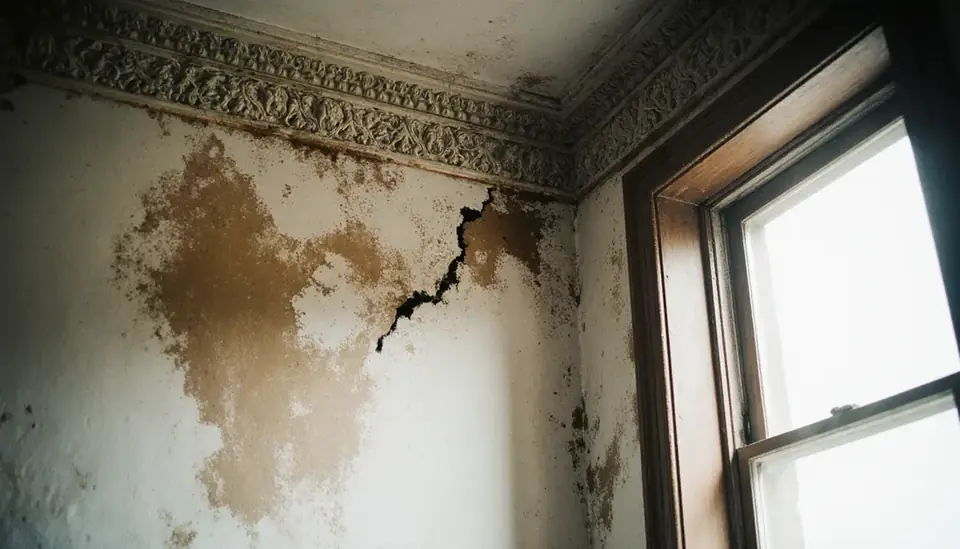
Summit earned the nickname Hill City for good reason: it sits on a ridge of the Second Watchung Mountain at about 374 feet, high above the river flats of eastern Union County. Rivers are not the main threat here, apart from the stretch where the Passaic forms part of the western boundary. Instead, water damage tends to come from slopes that send runoff toward foundations, wind that brings trees down on roofs, and plumbing failures in large, older houses.
Summit's residential character took shape in the late 1800s and early 1900s, when the city shifted from farmland to estates and architect-designed houses on tree-lined streets. Call (888) 317-9980 and we'll connect you with an independent restoration provider that serves Summit.
How the call works: when you call (888) 317-9980, The Restoration Job connects you with an independent restoration provider that serves Summit. That provider inspects the damage, explains the scope and quotes the work. The Restoration Job doesn't perform restoration itself. Read our referral disclosure.
Ridge Lots, Slopes and Runoff Toward Foundations
On a ridge, gravity does the work. Rain falling on uphill yards, driveways and streets flows toward whatever house sits below, and foundations on the uphill side take the most pressure. Basements here leak less from rising rivers than from saturated soil pressing water through wall cracks, tie-rod holes and the joint where wall meets slab.
Simple fixes help: downspout extensions that carry water several feet from the house, regraded soil that slopes away from walls, and clear window wells. Interior drainage systems and sump pumps handle what gets through. When a basement does flood, water extraction followed by thorough drying keeps damage from spreading into finished walls and floors.
Older Estate Homes and Their Plumbing
Houses built during Summit's early-1900s building boom, when dozens of residences went up in a single year, have had more than a century to age. Galvanized steel or early copper supply lines, cast-iron drains, radiators and old boilers all eventually fail, and when they do on an upper floor, water travels down through plaster ceilings and hardwood before anyone sees it.
- A leaking radiator valve can stain the ceiling below for weeks before it drips.
- Corroded drain lines inside walls often show up as bubbling paint or loose tile.
- Attic and third-floor bathrooms in large houses deserve periodic checks.
A restoration provider can use moisture meters and thermal imaging to find how far the water traveled before opening anything.
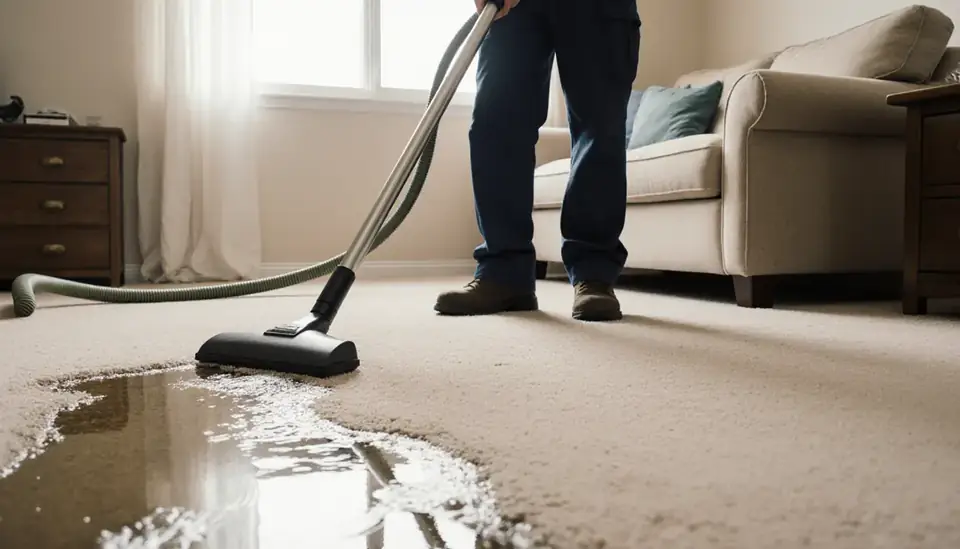
Wind, Trees and Roof Damage After Storms
Union County was among the areas hardest hit by Irene's winds in 2011, and mature trees near houses raise the stakes during any strong storm. A limb through a roof or skylight lets rain soak attic insulation, ceilings and walls. Get the opening covered quickly, photograph the damage before cleanup, and remove wet insulation, which rarely dries well in place. See our page on storm damage cleanup for what that work usually includes.
The Passaic River Edge and Low Spots in Town
The Passaic forms part of Summit's western boundary, and land beside the river lies well below the ridge. Properties there should check the FEMA Flood Map Service Center for their flood zone and consider flood insurance, which is not part of a standard homeowners policy. Elsewhere, low spots at the base of slopes can collect water during cloudbursts even far from any stream.
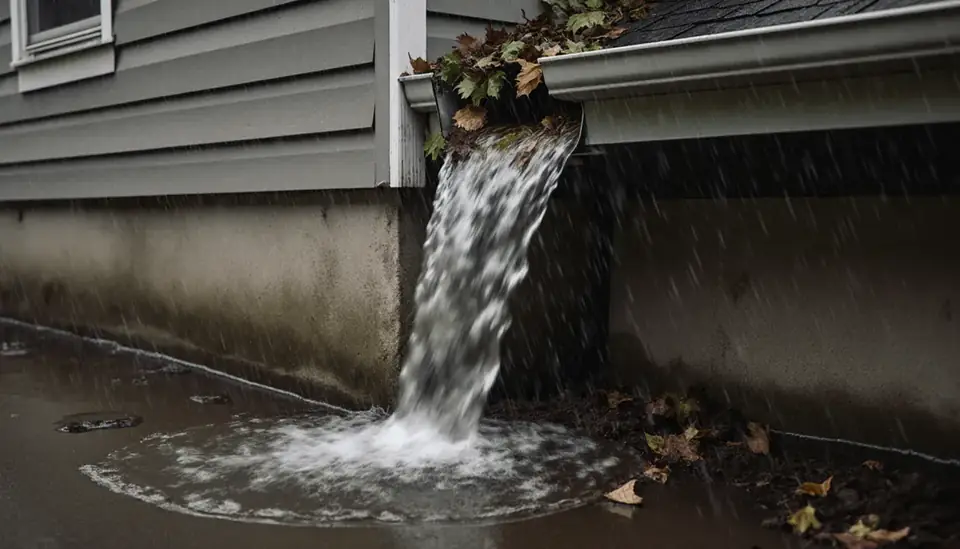
Mold in Summit Attics, Basements and Wall Cavities
Humid summers in northern New Jersey give mold an easy start wherever materials stay damp. In older Summit houses, the usual places are stone or block basements with poor ventilation, attics under a roof leak, and wall cavities around a slow plumbing drip. A musty smell that won't clear, stains on plaster, or peeling paint near a leak are signs worth checking. Fix the moisture source first; then a remediation provider can contain the area and remove affected materials. Painting over stains or spraying household bleach does not solve hidden growth.
Areas In and Around Summit
Calls come in from across Summit, including:
- Brantwood Park
- Tall Oaks
- East Summit
- Downtown Summit
The same line also serves nearby communities such as:
- New Providence
- Berkeley Heights
- Mountainside
- Springfield
- Millburn
- Chatham
- Chatham Township
Common Questions
Summit is on a hill. Why does my basement still get wet?
Being high up keeps river floods away, but slopes send runoff toward foundations, and soil around a basement can stay saturated for days after heavy rain. Water then pushes through cracks and joints. Gutters, downspout extensions, grading and a working sump pump address most of it; persistent seepage may need an interior drainage system.
A radiator leaked through my ceiling. Does the plaster need to come down?
Not always. Plaster on lath can often be dried in place if the leak was clean water and was caught quickly. It needs monitoring with a moisture meter because it dries slowly. Sagging, detached plaster or visible mold usually means that section must be removed. Have the heating system repaired before drying starts.
Who should I call first after a tree falls on my house?
If anyone is hurt, wires are down, or you smell gas, call 911 and the utility. Once it is safe, call your insurer to open a claim, then arrange tree removal and emergency tarping. A restoration provider can dry ceilings, walls and attic spaces once the opening is covered.