
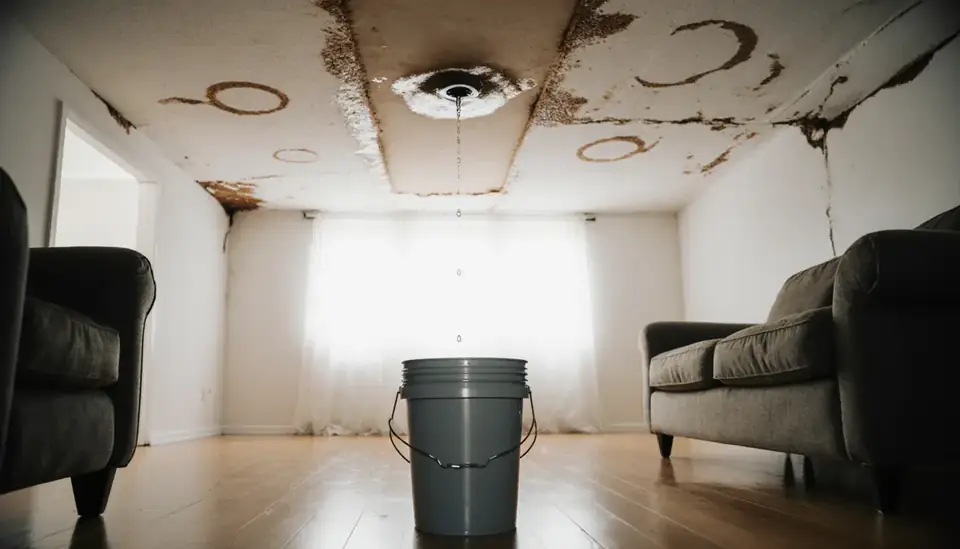
Five brooks drain Montclair's slopes below the First Watchung Mountain: Toney's Brook through the center, Nishuane Brook in the southeast, Wigwam Brook in the southwest, Pearl Brook in the northwest and Yantacaw Brook in the northeast. Two of them are dammed in parks to form ponds, and all of them feed the Passaic watershed. The township gets around 50 inches of precipitation a year, and after heavy rain the water heads downhill through yards, streets and, too often, basements.
Calls to The Restoration Job cost nothing, and we pass you to independent companies rather than doing the work. Call (888) 317-9980 and we'll link you with an independent provider that works in Montclair for leaks, flooding, storm damage or mold.
How the call works: when you call (888) 317-9980, The Restoration Job connects you with an independent restoration provider that serves Montclair. That provider inspects the damage, explains the scope and quotes the work. The Restoration Job doesn't perform restoration itself. Read our referral disclosure.
Brooks, Ponds and Low Spots
Most of these brooks are modest streams running through a densely built town. In intense storms such as Ida in September 2021, which caused major flooding across North Jersey, their limited capacity can back water up into nearby streets and low properties. Homes close to Toney's Brook and the park ponds, or at the base of a slope, are the most likely to see water at the foundation.
Montclair's township website includes a stormwater map, and FEMA's Flood Map Service Center shows official flood hazard areas. Both are worth checking before finishing a basement.
Victorian and Historic-District Homes
Montclair has six historic districts on the National Register and 92 individually listed landmarks, along with many older homes outside those districts. Water damage in a house like this involves materials that newer homes lack: horsehair plaster, old-growth oak and chestnut trim, built-in cabinetry, and slate or tile roofs. These can often be dried and preserved, but they need slower, controlled drying rather than aggressive heat, and careful documentation if historic-district rules apply to exterior repairs.
The Water Bureau notes that service lines to homes built before 1940 may be lead, galvanized steel or brass. Old galvanized pipe corrodes from the inside, and pinhole leaks inside walls are a common source of slow, hidden water damage in houses of that age.
From Wet Basement to Finished Repair
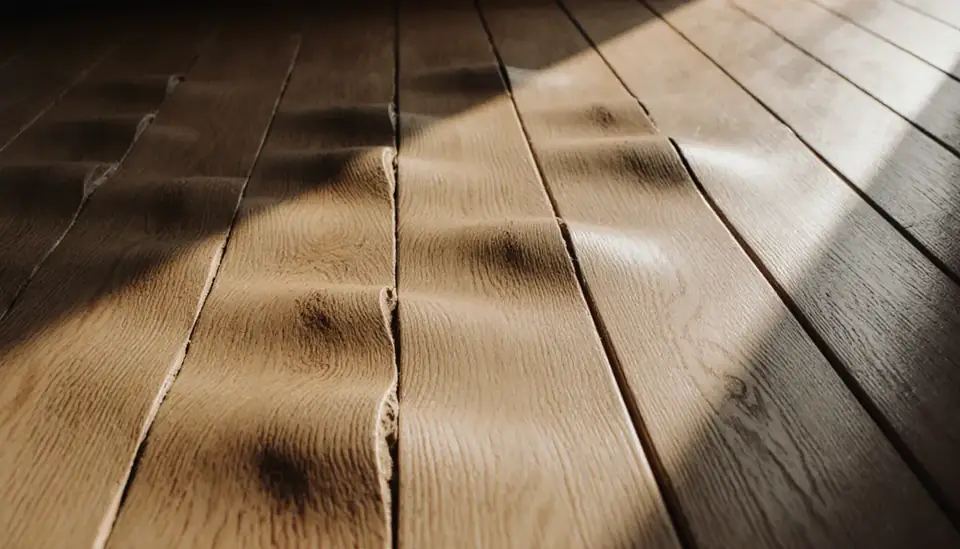
A typical job runs in stages. First comes stopping the water and extraction. Next, the provider removes materials that cannot be saved, such as soaked carpet pad, particleboard and the lower portion of drywall, and sets up drying equipment. Moisture is checked daily until framing, subfloor and masonry reach normal levels. Only then does water damage repair begin: new drywall or plaster patching, flooring and trim.
- Clean water from a supply line: most materials can often be dried.
- Water from a brook, street or floor drain: treat as contaminated and expect more removal.
- Long-hidden leaks inside walls: expect to open the cavity to inspect and dry it.
Fallen Limbs and Roof Leaks
Montclair's tree canopy is one of its draws, and also a reason many water calls start at the roof. Strong thunderstorms, nor'easters and the remnants of tropical systems bring down limbs that crack shingles, slate and gutters, letting rain into attics and down through ceilings. After the storm passes, storm damage cleanup usually means tarping, removing wet insulation and drying the plaster or drywall below before a roofer makes permanent repairs.
Mold in Basements and Attics
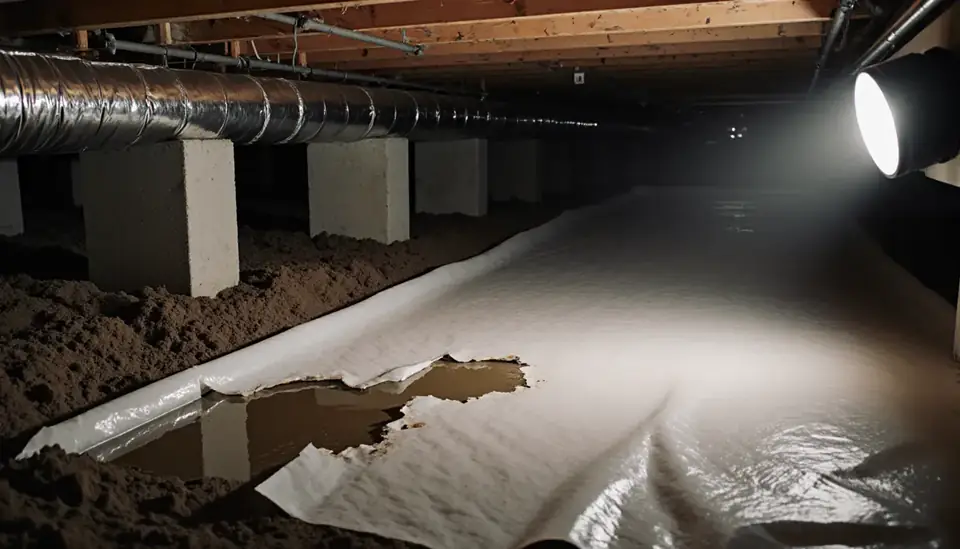
Humid summers and cool basements are a reliable recipe for mold, and older stone or brick foundations tend to let in moisture even without a flood. Watch for musty smells, white or green fuzz on stored items, and staining on joists. Small areas can be cleaned, but recurring or widespread growth calls for mold remediation along with a fix for the moisture source, whether it is grading, gutters or a leaking pipe.
Areas In and Around Montclair
Calls come in from across Montclair, including:
- Upper Montclair
- Watchung Plaza
- South End
- Frog Hollow
- Church Street
The same line also serves nearby communities such as:
- Bloomfield
- West Orange
- Glen Ridge
- Verona
- Cedar Grove
- Clifton
- Little Falls
Frequently Asked Questions
Are homes near Toney's Brook in Montclair at higher flood risk?
Properties close to the brooks and the dammed park ponds, or at the bottom of a slope, are more likely to see water during intense rain. Exact risk depends on elevation and drainage on your lot. Check FEMA's Flood Map Service Center and the township's stormwater map, and remember that standard homeowners policies generally exclude flood damage.
Can water-damaged plaster and woodwork in an older Montclair house be saved?
Frequently, if the water was clean and drying begins quickly. Plaster on lath and solid hardwood trim tolerate wetting better than drywall and particleboard, but they dry slowly and need monitored dehumidification. Ask the provider which materials they plan to remove and why, and request moisture readings so you can see progress.
How do I get emergency alerts in Montclair?
The township's Office of Emergency Management page offers sign-up for local alerts and lists contacts for police, fire and the ambulance unit. For flash flood and severe storm warnings, follow the National Weather Service office in New York, which covers northeast New Jersey. Call 911 for any life-threatening situation.