
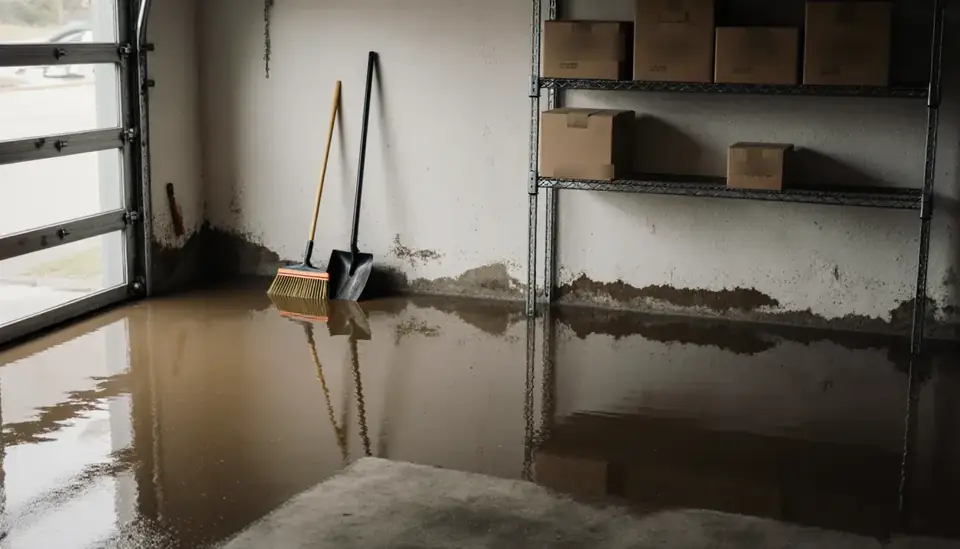
The township takes its name from a waterfall on the Passaic River at a dam near the old Beattie Mill, and the river has shaped life here ever since Dutch farmers settled in 1711. Little Falls is small, under three square miles, and split into distinct parts: Singac on the flat western side along the river, Great Notch on the eastern end, and the Montclair State University campus covering much of the land. Flood exposure changes sharply from one to the next.
The Restoration Job is a free connection line, not a restoration company. Call (888) 317-9980 at any hour and we'll put you in touch with an independent provider that serves Little Falls for river flooding, basement leaks, storm damage or mold.
How the call works: when you call (888) 317-9980, The Restoration Job connects you with an independent restoration provider that serves Little Falls. That provider inspects the damage, explains the scope and quotes the work. The Restoration Job doesn't perform restoration itself. Read our referral disclosure.
Singac: Flat Ground on the Passaic's Bank
Singac is bounded on the north by the Passaic, and its name is often traced to a Lenape phrase for flat or boggy ground, a fitting description for a place long known to overflow during spring freshets. About 1,500 homes sit in this half-square-mile area. When the river rises, low streets can be cut off and basements fill from both surface water and groundwater pushing up through the slab.
After Irene in 2011, federal mitigation money paid to buy out a group of flood-prone homes in Little Falls, as it did in several neighboring river towns. Many houses remain, and owners near the water should treat flood insurance as a necessity rather than an option, since homeowners policies generally exclude it.
Reading the Little Falls River Gauge
The U.S. Geological Survey has measured the Passaic at Little Falls since 1897, and the gauge drains about 762 square miles of the upper basin. Flood stage there is 7 feet. The river's recorded crests include 17.5 feet in October 1903, still the worst on record, 12.91 feet in April 1984, nearly 12 feet in both 2007 and 2010, and 14.19 feet on August 30, 2011, after Irene. Following the 2010 flood the state created a Passaic River Basin Flood Advisory Commission.
Because this gauge reflects runoff from the Pompton and the upper Passaic, it often keeps rising for a day or more after rain stops. Watching the live reading, along with National Weather Service river forecasts, gives Singac residents time to move belongings upstairs and shut off utilities.

Great Notch and the Hillside Neighborhoods
Great Notch, the township's easternmost section, lies near the source of the Third River, which begins at the Great Notch Reservoir just over the line in Woodland Park. The Passaic is farther off, so river flooding is less of a concern. The more common calls involve runoff from heavy rain running downhill toward foundations, leaking window wells, failed sump pumps and roof damage from wind or ice. Grading that slopes toward the house will send water to the basement every storm until it is corrected.
Getting a Flooded Little Falls Basement Back to Dry
River water and storm runoff are contaminated, so restoration after a flood follows a stricter path than a clean pipe leak.
- Wait for the water outside to fall and have power to the area shut off before going in.
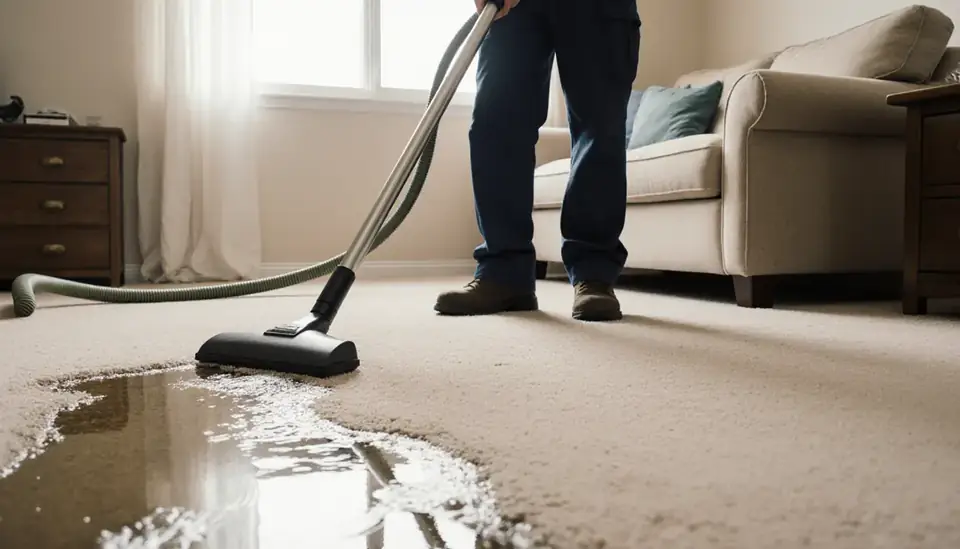
- Pump out standing water and shovel out silt; river mud can carry fuel, chemicals and sewage.
- Remove porous materials the water reached, including carpet, insulation and drywall, cutting above the high-water mark.
- Clean and disinfect framing, concrete and block, then dry with dehumidifiers and air movers until moisture readings are normal.
More detail on each stage is in our overview of flood cleanup. If the water came from a supply line or appliance instead, faster water extraction may let more materials be saved.
Mold After the River Goes Down
A house that flooded can look dry within a week and still hold moisture inside wall cavities, under vinyl flooring and in the bottom plates of framing. In humid North Jersey summers that hidden water often turns into mold weeks later. Ask for moisture readings before walls are closed, keep a dehumidifier running in the basement through the warm season, and do not store paper or fabric directly on concrete floors. Growth that spreads beyond a small area, or a stale smell that returns after cleaning, points to remaining moisture and the need for professional mold remediation.
Little Falls Neighborhoods and Surrounding Towns
Calls come in from across Little Falls, including:
- Singac
- Great Notch
The same line also serves nearby communities such as:
Little Falls Water Damage Questions
Where can I check the Passaic River level at Little Falls?
The USGS publishes live readings for its Passaic River at Little Falls gauge, and the National Weather Service issues river forecasts and flood warnings for the area. Flood stage at that location is 7 feet. Because the river responds to rain across a large upstream basin, it can keep rising after local rain has ended, so check readings again the following day.
Is Singac more flood-prone than the rest of Little Falls?
Yes. Singac lies on flat land along the river's south bank and has been known to overflow in spring freshets for well over a century, while Great Notch at the eastern end is well away from the riverbank. That said, every property is different. Look up your address on FEMA's Flood Map Service Center to see its mapped flood zone.
What should I save or document after a flood?
Photograph each room and every damaged item before anything is thrown out, including the water line on walls. Keep a written list with approximate ages and costs, and save small samples of carpet or flooring. Insurers and federal assistance programs both rely on this record, and it is far easier to build while the damaged items are still in front of you.