
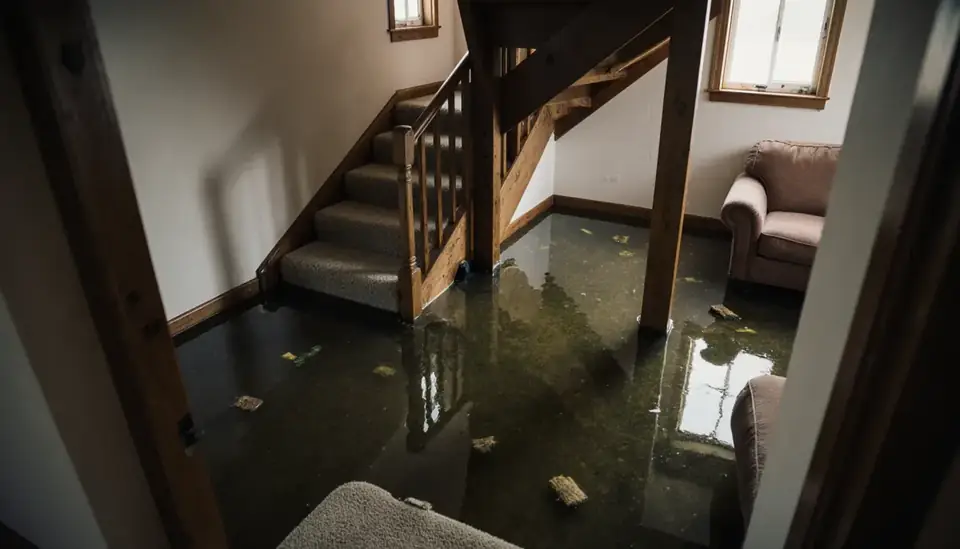
Two rivers define Fair Lawn's edges. The Passaic River forms the borough's western border opposite Paterson, and the Saddle River runs along parts of its northeastern and eastern sides on its way south to join the Passaic at Garfield. Inside those boundaries are about five square miles of dense suburban housing, roughly 12,600 homes, from the 1929 planned community of Radburn to blocks in Columbia Heights, Warren Point, Memorial Park and Berdan Grove.
The Restoration Job is a free referral line, not a restoration contractor. Call (888) 317-9980 and you will be connected with an independent provider serving Fair Lawn for river flooding, a wet basement after a cloudburst, or a pipe that let go behind a wall.
How the call works: when you call (888) 317-9980, The Restoration Job connects you with an independent restoration provider that serves Fair Lawn. That provider inspects the damage, explains the scope and quotes the work. The Restoration Job doesn't perform restoration itself. Read our referral disclosure.
Passaic and Saddle River Flood History
The Passaic is an 85-mile river draining a 935-square-mile basin, and it has a long record of floods. Its worst on record came on October 10, 1903. More recent high crests arrived in April 2007, March 2010 and on August 30, 2011, when the remnants of Irene produced the highest of those recent crests. Irene's damage was concentrated in this corner of the state: Bergen and Passaic were the two hardest-hit New Jersey counties, each with more than 4,000 flood insurance claims, and across the river in Paterson about 6,000 people were displaced.
The Saddle River is smaller, about 16 miles long, but it responds quickly to heavy rain. Its gauge downstream at Lodi measures runoff from roughly 55 square miles of Bergen County, much of it paved, which is why the river can rise fast in a summer downpour.
Radburn's Parks, Paths and Low Spots
Radburn was built as a town for the motor age, with residential superblocks, a path system that never crosses a major road at grade and some of the earliest culs-de-sac in the country. Today it is a National Historic Landmark District with about 470 single-family homes plus townhouses, two-family houses and an apartment complex. Older houses in Radburn and across Fair Lawn often have basements and original drainage that was not designed for today's heavier rainfall.
Owners of historic homes should document original materials before repairs and ask the restoration provider to save plaster, trim and wood floors when they can be dried in place.
What to Do as the River Rises
Fair Lawn residents near the rivers usually have some warning before a flood crest, so use it:
- Move vehicles, documents and valuables to higher ground or upper floors.
- If water is expected to enter the basement, have an electrician or the utility shut off power to that level.
- Take photos of the basement and its contents before the water arrives, for later comparison.
- Never drive through flooded roads; currents near the Passaic and Saddle can be stronger than they look.
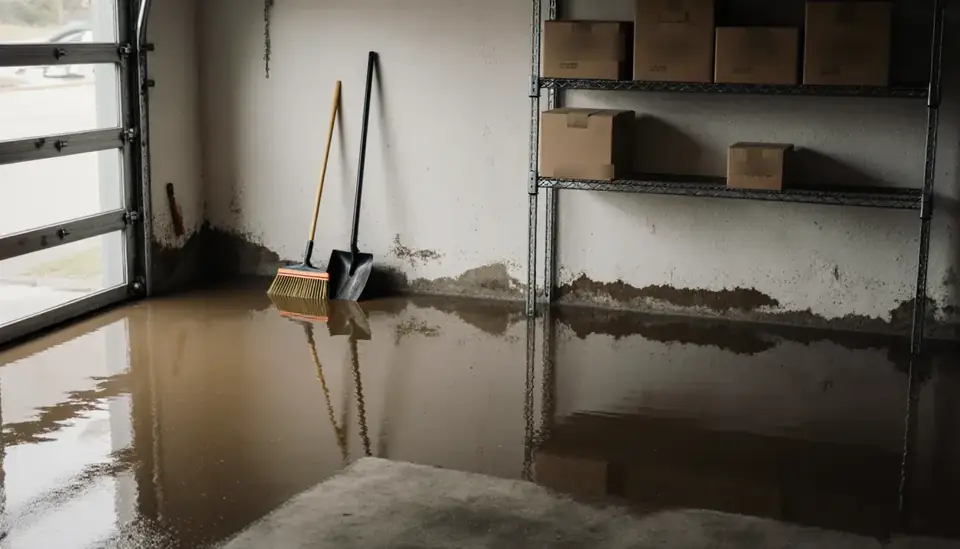
After the water recedes, river water should be treated as contaminated. Flood cleanup typically means pumping out the basement, removing drywall and insulation to above the high-water mark, cleaning and disinfecting surfaces and drying the structure with dehumidifiers before anything is rebuilt.
Flood Insurance and Fair Lawn Properties
Standard homeowners policies do not cover water that rises from a river or flows in from outside. That protection comes from a separate flood policy, usually with a waiting period before it takes effect, so it has to be in place well before a storm. Sewer backup through floor drains is a third category that often needs its own endorsement. Look up your address on FEMA's Flood Map Service Center to see whether it falls in a mapped flood zone. A low-risk designation does not mean no risk, especially for a basement in Fair Lawn's older housing.
Drying Basements Before Mold Starts
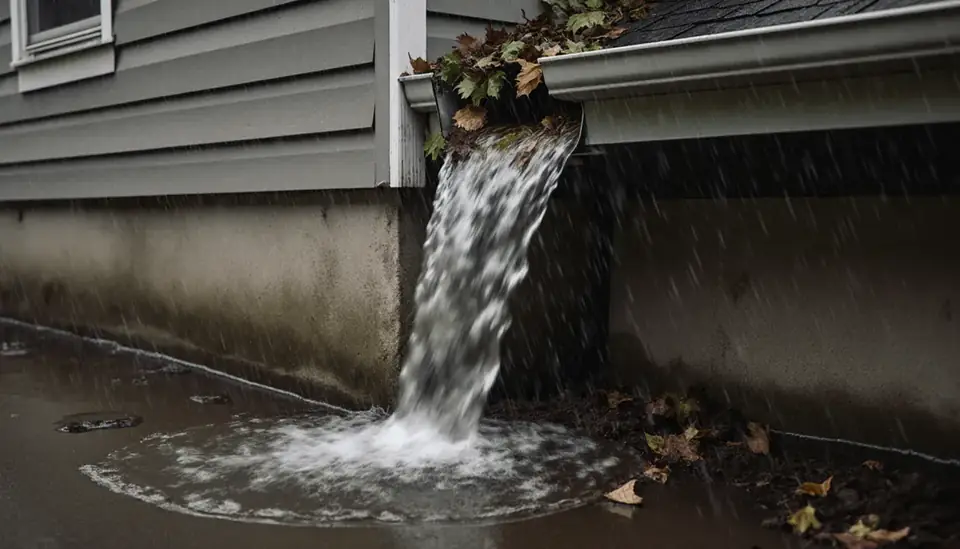
Fair Lawn summers are warm and humid, with July the wettest month on average. A basement that flooded in August can grow mold on drywall and carpet in a couple of days if it stays damp. Getting air moving and dehumidifiers running promptly, discarding porous items that soaked in floodwater and checking that framing is dry before closing walls are the main defenses. For established growth, mold remediation includes containment and removal rather than painting over stains.
Neighborhoods and Nearby Communities
Calls come in from across Fair Lawn, including:
- Radburn
- Columbia Heights
- Warren Point
- Memorial Park
- Berdan Grove
- Broadway District
The same line also serves nearby communities such as:
Common Questions
Is Fair Lawn affected by Passaic River flooding?
Yes, properties on the borough's western side along the Passaic can be affected when the river floods, as happened after Irene in August 2011. Homes near the Saddle River on the east side face their own risk during heavy rain. Most of the borough sits higher, but basements anywhere can take on water from storm runoff or sewer backup.
Can a historic Radburn home be dried without tearing everything out?
Often, yes, for clean water from a pipe or appliance leak. Plaster, solid wood trim and hardwood floors can frequently be dried in place with careful monitoring. Floodwater from outside is different, because porous materials it soaks generally have to be removed. Ask the provider to explain which materials can be saved and to document original features before work begins.
How quickly should flood cleanup start after the river goes down?
As soon as it is safe to enter and power is off in flooded areas. Mold and odors develop within days in warm weather, and wet drywall keeps wicking moisture upward. Photograph everything, then begin removing water and soaked materials. Our 24/7 line can connect you with an independent provider in Fair Lawn while you contact your insurer.