

Alexander Hamilton's Society for Establishing Useful Manufactures chose this spot in 1791 for one reason: the 77-foot Great Falls of the Passaic, which could turn mill wheels. The same river that built the Silk City still loops through it, entering past Totowa, dropping over the falls and then bending south along Riverside and the east side. That loop puts a long stretch of Paterson's neighborhoods within reach of the water when the Passaic basin floods.
The Restoration Job does no repair work itself; it is a free line that routes your call. Dial (888) 317-9980 any hour and we'll connect you with an independent restoration provider that works in Paterson, whether the problem is river water in the basement, a pipe that let go in a three-family house, or a roof leak after a storm.
How the call works: when you call (888) 317-9980, The Restoration Job connects you with an independent restoration provider that serves Paterson. That provider inspects the damage, explains the scope and quotes the work. The Restoration Job doesn't perform restoration itself. Read our referral disclosure.
Irene, Ida and the Passaic's Loop Through the City
The worst flood on record along the Passaic came in October 1903, and it hit Paterson hard. More than a century later, the remnants of Hurricane Irene in August 2011 pushed the river to levels residents had not seen in roughly 100 years. By August 31, about 6,000 people in the city had been displaced and three of the four bridges over the Passaic were still closed. Passaic County ended up with more than 4,000 claims for federal disaster aid, the most in the state, and President Obama was scheduled to tour Paterson in early September.
Ten years later the threat looked different. Ida in September 2021 dumped intense rain over a short period, and Paterson was among the North Jersey cities with major flooding. That kind of storm overwhelms storm drains and fills basements on streets far from the riverbank, so a property does not need a river view to take on water.
Multi-Family Buildings and Shared Water Problems
Paterson is one of the most crowded cities in the country; in 2000 only New York City was denser among places with more than 100,000 people. Much of that density lives in two- and three-family houses and apartment buildings, where water rarely stays in one unit. A leaking supply line on the third floor can run down through two kitchens before anyone finds the source, and a backed-up floor drain in a shared basement affects every tenant's storage and the building's boiler.
- Find and stop the source first, even if it is in another unit; know where the building's main shutoff is.
- Tell the owner or landlord in writing, with photos, and note the date and time.
- Tenants generally need renter's insurance for their own belongings; the owner's policy typically covers the structure.
- Ask the restoration provider to check ceilings and wall cavities in the units below, not just the room where the water showed up.
Cleaning Up After River or Street Water
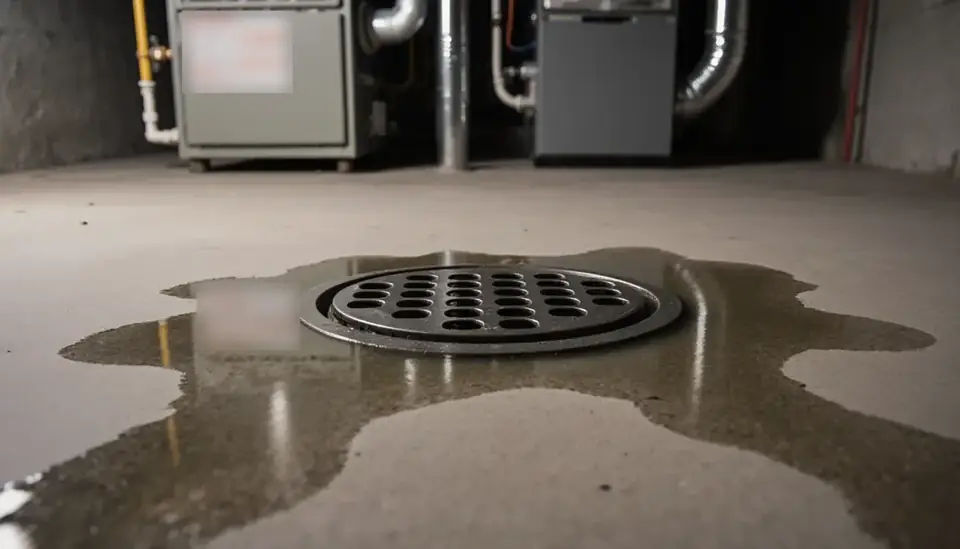
Water that came in from the Passaic, the street or a sewer connection is contaminated and should be handled differently from a clean pipe leak. Proper flood cleanup starts with pumping out standing water and hauling away soaked carpet, upholstered furniture and cardboard. Drywall and insulation are cut out above the high-water line, and floors, framing and foundation walls are cleaned and disinfected before drying begins. In older homes with plaster walls and wood lath, a crew will usually test moisture deep in the wall before deciding what can stay.
When sewage is involved, as often happens when city sewers surcharge in a heavy rain, the work falls under sewage cleanup protocols, with protective gear and stricter removal of porous materials.
Eastside Park, Hillcrest and the Older Housing Stock
The Eastside Park Historic District alone holds roughly 1,000 homes in a mix of architectural styles, many built for the families who ran Paterson's mills. Large old houses like these tend to have fieldstone or brick foundations, original plumbing that has been patched over the decades, and attics where ice dams and worn flashing let water in during winter storms. Hillcrest and the Northside have their own older single-family and multi-family homes with full basements.
In houses of this age, slow leaks hide well. A stain on a plaster ceiling may be the first sign of a problem that has been soaking a joist for weeks. Restoration in historic homes often means drying materials in place where possible rather than tearing them out, which takes careful moisture monitoring.

Humid Summers, Wet Basements and Mold
Passaic County's wettest month on average is September, at the peak of the tropical season, and summers are warm and sticky. A basement that flooded once and was only partly dried can stay damp for months in that climate. Mold tends to show up behind paneling, under carpet pad and on boxes stored against foundation walls. Keep a dehumidifier running from late spring into fall, keep gutters and downspouts directing water away from the house, and move stored items off the floor. Growth that covers more than a small patch, or a smell that keeps coming back, is a reason to bring in a professional for mold remediation along with a search for the moisture source.
Neighborhoods and Nearby Communities
Calls come in from across Paterson, including:
- Downtown
- Eastside Park
- Hillcrest
- Riverside
- Sandy Hill
- Northside
- Totowa Section
- South Paterson
- Lakeview
- People's Park
The same line also serves nearby communities such as:
Paterson Water Damage Questions
Which parts of Paterson are closest to the Passaic River?
The river wraps around the city, entering from Totowa, passing the Great Falls and then running south along the east side. Riverside is bounded by the river, and the Totowa Section and neighborhoods near the bridges also sit close to it. Check your address on FEMA's Flood Map Service Center, and watch National Weather Service river forecasts when a big storm is coming.
I rent an apartment in Paterson and water came through the ceiling. Who is responsible?
Usually the building owner handles repairs to the structure, including drying walls, ceilings and floors, while your own furniture, clothing and electronics fall under renter's insurance if you have it. Notify the landlord right away, ideally in writing with photos, and keep a list of damaged belongings. If the source is in another unit, it still needs to be stopped quickly to limit the damage.
Does homeowners insurance pay for river flooding in Paterson?
Standard homeowners and renters policies typically exclude flooding from rising rivers or surface water. That risk is covered by separate flood insurance, commonly through the National Flood Insurance Program, which normally has a waiting period before a new policy takes effect. After Irene, many Passaic County households relied on federal disaster aid instead, which is generally far smaller than an insurance payout.
How soon should a flooded basement be dried out?
As quickly as possible. In Paterson's humid summers, wet drywall, carpet and wood can begin growing mold within a couple of days. Get standing water out, remove soaked materials, and run dehumidification until moisture readings return to normal. A restoration provider can measure hidden moisture inside walls and under floors that a fan alone will not reach.