
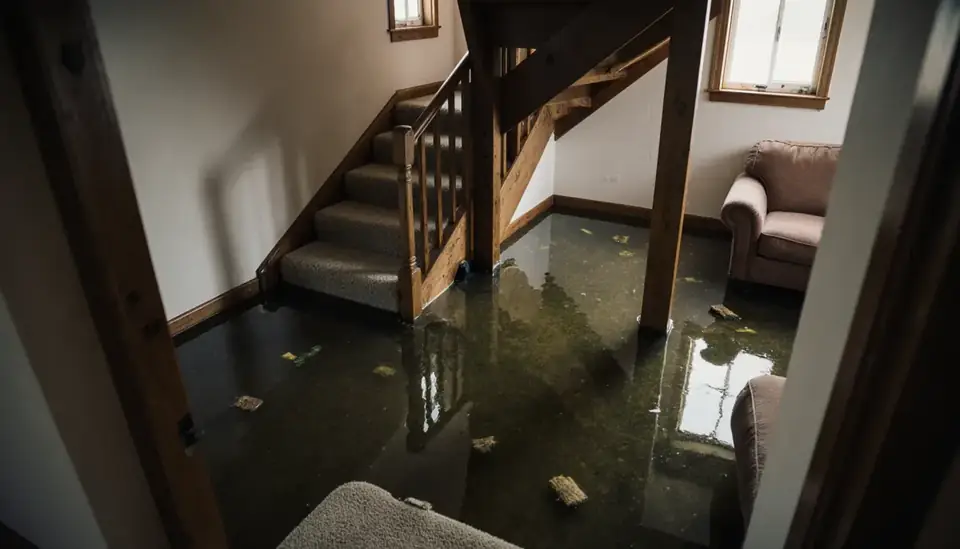
Three rivers converge on the edges of Wayne Township. The Ramapo leaves Pompton Lake along the border with Pompton Lakes borough, joins the Pequannock to form the Pompton River, and the Pompton then runs south along Wayne's western side until it meets the Passaic at Two Bridges. That meeting point sits in a broad floodplain shared with Lincoln Park and Fairfield, and it is the reason this suburban township has some of the most flood-tested neighborhoods in North Jersey.
The Restoration Job does not send out its own crews. A free call to (888) 317-9980, at any hour, connects you with an independent restoration provider that serves Wayne, whether you are dealing with river water, a failed sump pump or storm damage to the roof.
How the call works: when you call (888) 317-9980, The Restoration Job connects you with an independent restoration provider that serves Wayne. That provider inspects the damage, explains the scope and quotes the work. The Restoration Job doesn't perform restoration itself. Read our referral disclosure.
Two Bridges, Mountain View and the Pompton River Floodplain
The Pompton is the Passaic's largest tributary by volume, draining part of the Ramapo Mountains along the New York line. When a tropical system parks over the Highlands, all of that water funnels toward the low ground where the two rivers join. During Irene in August 2011 the Pompton crested at a record 25.24 feet after about nine inches of rain fell in less than a day, and roughly ten inches was recorded in Wayne.
River flooding here is not a flash event; water can stay high for an extended period while the larger basin drains. Homes in neighborhoods near the confluence can sit in standing water or saturated ground for days, which makes the timing of cleanup tricky: pumping a basement too early while the surrounding soil is still waterlogged can put pressure on foundation walls.
Buyouts and the Willowbrook Lowlands
After Irene, Wayne received the largest of the post-storm home buyout awards in the region, about $6.3 million to purchase roughly 56 repeatedly flooded homes. The Passaic has a long record of flooding near Willowbrook Mall and the neighborhoods around it. Buyouts remove the most exposed houses, but plenty of homes remain in or near mapped flood hazard areas.
Owners in these parts of Wayne should look up their property on FEMA's flood maps, keep a current flood insurance policy (homeowners coverage generally excludes rising water), and store important papers and valuables above basement level.

Lake Communities and Post-War Basements
Away from the rivers, Wayne grew after World War II as farms became subdivisions, many organized around Packanack Lake, Pines Lake, Lions Head Lake and Tom's Lake. Those neighborhoods sit higher, but they have their own water problems. Lakeside lots often have high groundwater, and sixty- and seventy-year-old homes carry aging water heaters, original supply lines and sump systems that work hard in a wet spring.
- Test the sump pump before hurricane season by pouring water into the pit.
- Add a battery backup or water-powered backup pump, since storms that flood basements often cut power too.
- Extend downspouts several feet from the foundation, especially on sloped lots that drain toward the house.
- Swap old rubber laundry hoses for stainless braided ones before they split.
How Flood Cleanup Proceeds After River Water Recedes
Once it is safe to go in, and after power to flooded areas has been shut off by the utility or an electrician, a provider will usually pump out remaining water and remove mud and silt. River water is treated as contaminated, so carpeting, upholstered furniture, insulation and drywall that it touched normally come out, with wall cuts made well above the visible line. Concrete, framing and masonry are cleaned and treated, then dried with dehumidifiers and air movers until moisture readings confirm they are ready. See how flood cleanup and structural drying fit together before rebuilding starts.
Keep a running photo log and a list of removed items; adjusters and federal aid programs both ask for it.

Preventing Mold in Wayne's Damp Lower Levels
Floodplain soils and lakeside groundwater keep many basements in the township damp even in dry weeks, and North Jersey summers add humidity. Mold usually appears first on the paper face of drywall, on wood paneling and on items stored in cardboard. After any water event, make sure drying is verified with a meter rather than by touch. Running a dehumidifier through the warm months and keeping the lower level heated in winter reduce the chance of growth. Widespread or recurring growth calls for mold remediation that addresses the moisture source as well as the visible spots.
Where Callers in the Wayne Area Are
Calls come in from across Wayne, including:
- Packanack Lake
- Pines Lake
- Preakness
- Lower Preakness
- Mountain View
- Pompton Falls
- Point View
- Two Bridges
- Barbours Mills
The same line also serves nearby communities such as:
- Pompton Lakes
- Little Falls
- Totowa
- Haledon
- North Haledon
- Lincoln Park
- Fairfield
- Oakland
Wayne Water Damage Questions
Why does Wayne flood so badly along the Pompton and Passaic rivers?
The Pompton carries runoff from the Ramapo, Pequannock and Wanaque watersheds and joins the Passaic at Two Bridges, where the land is low and flat. When heavy rain falls across those basins, water arrives faster than the Passaic can carry it downstream, and the floodplain fills. That is what happened during Irene in 2011, when the Pompton set a record crest.
My Wayne home is near a lake, not a river. Do I still need to worry?
Lake communities usually escape river flooding, but high groundwater, sloped lots and older plumbing still cause plenty of basement water. A dependable sump pump with backup power, good grading and regular checks on the water heater and supply lines cover most of the risk. Flood insurance is still available and relatively affordable outside high-risk zones.
Should I start pumping my basement while the river is still high?
Generally it is wise to wait until the floodwater outside has dropped. If the ground around the house is saturated, removing all the water inside at once can let outside pressure crack or push in foundation walls. Pump in stages, lowering the level a few feet per day, and get power safely shut off before entering. A restoration provider can judge timing on site.