
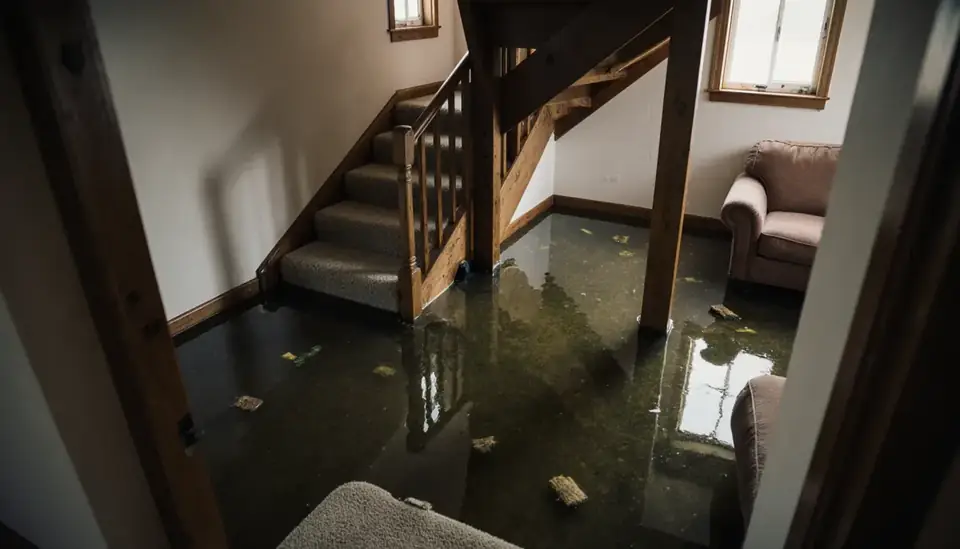
Cranford's nickname, the Venice of New Jersey, comes from the Rahway River that bisects the township. Canoes have been rented on it since the Cranford Canoe Club opened in 1908, and the river runs past Nomahegan Park, Sperry Park and residential streets on both banks. The same water that gives the town its character has also flooded it repeatedly.
During Floyd in 1999, the township's police department fielded about 750 flood-related calls. In 2011, Irene pushed the river over the Garden State Parkway in Cranford and left much of the town without power for close to a week. Call (888) 317-9980 any hour and we'll connect you with an independent restoration provider that serves Cranford.
How the call works: when you call (888) 317-9980, The Restoration Job connects you with an independent restoration provider that serves Cranford. That provider inspects the damage, explains the scope and quotes the work. The Restoration Job doesn't perform restoration itself. Read our referral disclosure.
Living on Both Banks of the Rahway
The Rahway River collects water from West Orange, Millburn, South Orange, Maplewood and Springfield before it reaches Cranford, then continues toward Clark and Rahway. Nomahegan Brook joins through Nomahegan Park. That upstream reach is why a storm centered over Essex County can still put water into Cranford basements.
The river's flood history reads like a calendar: 1938, 1968, 1971, 1973, 1975, 1992, 1996, 1997, 1999, 2007 and 2011. An April 2007 nor'easter caused major damage to 70 to 100 homes along the river and led to federal disaster declarations. In 2016 the U.S. Army Corps of Engineers and the state Department of Environmental Protection began a feasibility study of flood risk management options for the basin.
Floyd, Irene and the Week Without Power
Floyd's remnants in September 1999 averaged about seven inches of rain across New Jersey, with the heaviest totals in the north. Rescues there went on for close to two days. Twelve years later, Irene brought record rainfall and severe flooding to the Rahway along with other North Jersey rivers, and Union County was among the areas hit hardest by wind.
Long outages after a storm create their own water problems. Sump pumps stop, basements that would have stayed dry begin to fill, and freezers and refrigerators leak as they thaw. A battery backup or generator-ready sump pump is one of the most useful investments for a Cranford home near the river.
What a Restoration Crew Does After River Water Recedes
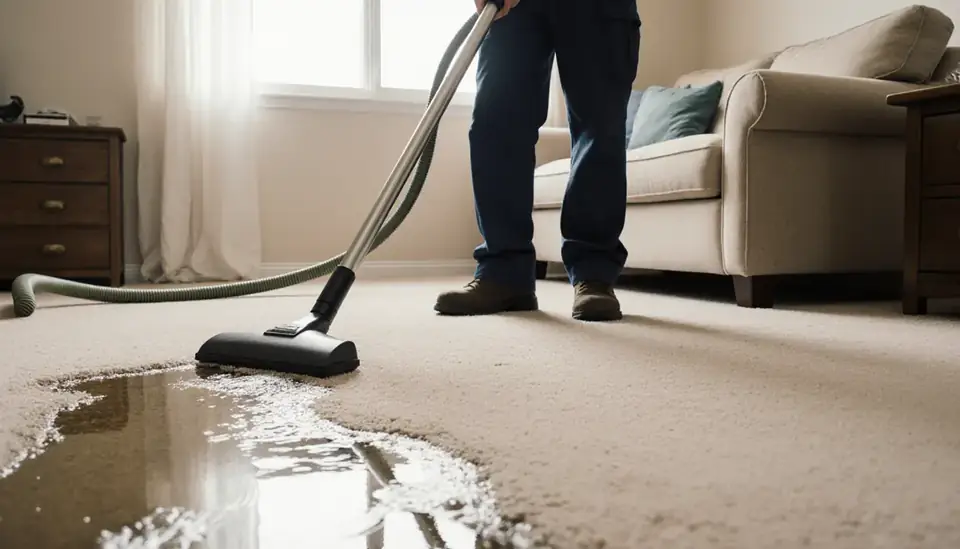
River floodwater is treated as contaminated because it carries sewage, fuel and silt. Typical flood cleanup after the Rahway leaves its banks includes:
- Pumping remaining water and shoveling out mud before it dries.
- Removing carpet, pad, paneling, drywall and insulation that the water touched, usually to a cut line above the high-water mark.
- Cleaning and disinfecting slab, framing and foundation walls.
- Running dehumidifiers and air movers and logging moisture readings until materials are dry.
- Having heating equipment, water heaters and electrical panels inspected before they are used again.
Indian Village and Other Low Streets Near the River
Homes closest to the channel, such as those in Indian Village near Mohawk Park, face the most direct exposure, but flooding is not limited to riverfront lots. Once the river is high, storm sewers can't discharge, and water backs up into streets and basements several blocks away. Check your address on the FEMA Flood Map Service Center and talk to your insurer about flood coverage, which a standard homeowners policy does not include. Keep a list of what is stored in the basement and photos of finished areas so a claim is easier after the next event.
Mold After a Cranford Basement Floods
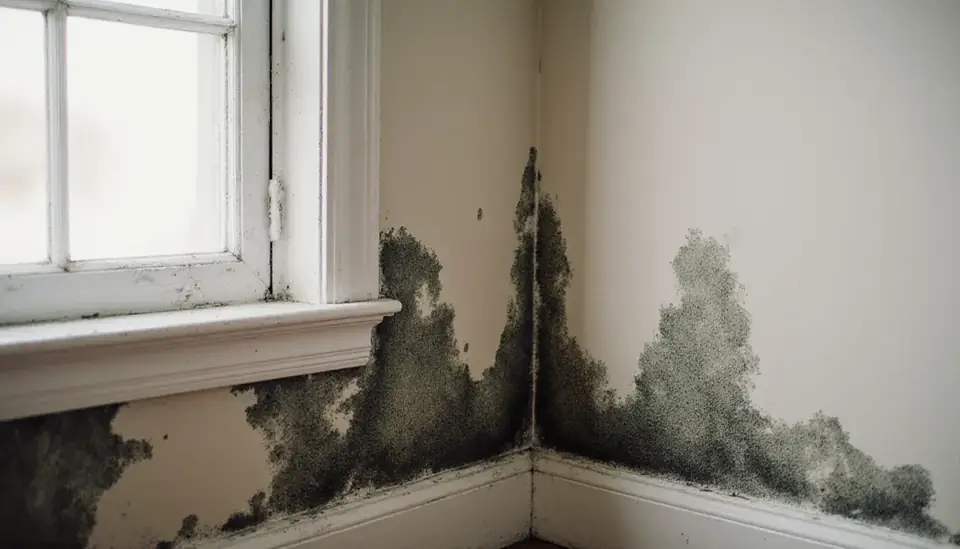
July is Union County's wettest month on average, and warm, humid weather speeds mold growth on damp drywall, carpet backing and wooden stairs. After a flood, drying needs to start within a day or two. Dehumidifiers matter as much as fans, because moving humid air around only spreads moisture. If you see spotting or smell mustiness after the cleanup, have materials checked with a moisture meter; hidden growth behind finished walls is common in basements that flooded more than once. Our page on mold remediation explains how containment and removal generally work.
Areas In and Around Cranford
Calls come in from across Cranford, including:
- Indian Village
The same line also serves nearby communities such as:
Cranford Water Damage Questions
How can I tell when the Rahway River is likely to flood Cranford?
Watch National Weather Service flood watches and warnings for Union County and the Rahway River, not just the local forecast. Heavy rain falling upstream in Essex County can raise the river in Cranford hours later. If a warning is issued, move valuables and vehicles to higher ground and be ready to leave before roads close.
My basement flooded in Irene and again later. Should I refinish it?
Repeated flooding is a sign to rebuild with materials that tolerate water: closed-cell foam or rigid insulation, cement board or no wall finish on the lower section, tile or sealed concrete floors, and mechanical equipment raised off the floor. Ask your insurer and the township's building department about rules for improvements in mapped flood zones before starting.
Is sewer backup the same as flood damage for insurance?
Usually not. Water rising from the river or surface runoff falls under flood insurance, while sewage pushed up through a floor drain is often covered only by a sewer backup endorsement on a homeowners policy. During Rahway River floods both can happen at once, so document where the water entered and call your insurer early.