

Piscataway runs along the north bank of the Raritan from Johnson Park and Raritan Landing up toward Bound Brook Heights, with Rutgers University's Busch and Livingston campuses filling a large share of the township in between. Its neighbors to the west include South Bound Brook, Dunellen and Middlesex borough, all places with long flood histories. The township itself spans about 19 square miles of mostly residential streets in sections like New Market, Lake Nelson, Fieldville and North Stelton.
The Restoration Job does not send anyone out; it's a free referral service. Call (888) 317-9980 and we'll connect you with an independent restoration provider working in Piscataway, whether you own a split-level near the river or rent near campus.
How the call works: when you call (888) 317-9980, The Restoration Job connects you with an independent restoration provider that serves Piscataway. That provider inspects the damage, explains the scope and quotes the work. The Restoration Job doesn't perform restoration itself. Read our referral disclosure.
Living Downstream of Bound Brook and Manville
The Raritan collects water from a big basin in Somerset and Hunterdon counties before it passes Piscataway. During Floyd in September 1999, the river crested at a record 42.5 feet in Bound Brook, well above its 28-foot flood stage. Floyd also damaged a water treatment plant in Bridgewater, leaving nearly 500,000 people in Middlesex and neighboring counties under a boil-water order for eight days.
Ida in 2021 pushed the Raritan at Manville to 27.6 feet, beating Floyd's mark there, and a NJ Transit train was stranded in floodwater in Bound Brook. On the Piscataway side, major flooding around SHI Stadium forced Rutgers to postpone its home opener. Nearby, the Green Brook basin, which drains through Dunellen and Middlesex, has flooded badly in 1971, 1973 and 1999.
Where Water Gets Into Piscataway Homes
Away from the riverbank, most damage comes from rain the ground and storm sewers cannot absorb fast enough. National Weather Service storm reports from Ida's remnants list multiple water rescues across Middlesex County and a condominium complex just south of Middlesex borough that suffered significant flash flood damage. Typical problems include:
- Basements and lower levels flooding through walls, floor joints and window wells
- Sewer backups through floor drains when lines are surcharged
- Sump pumps failing during the power outages that come with strong storms
- Slab homes taking water under doors when yards and streets pond
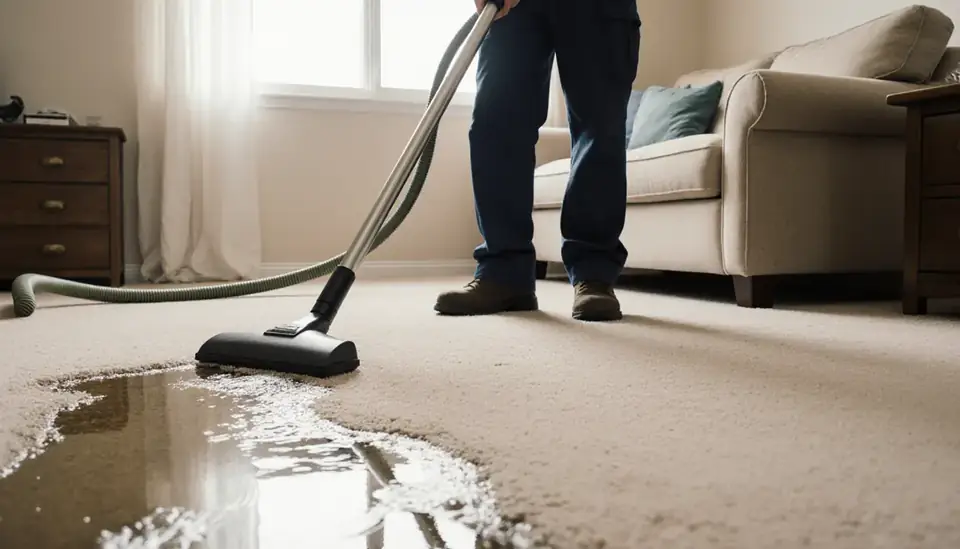
Once the rain stops, a crew doing water extraction can remove standing water before drying begins.
Students, Renters and Shared Houses Near Campus
With two Rutgers campuses in town, many Piscataway houses and apartments are rented to students or shared by several tenants. In those buildings, a leak may go unreported for days because everyone assumes someone else called. If you rent, notify the landlord in writing as soon as you see water, and photograph it. The owner is usually responsible for repairing the building, while tenants need renters insurance for their own laptops, furniture and clothing.
Landlords should check vacant units over winter breaks, when unheated rooms and shut-off thermostats can lead to frozen pipes.
From Wet Basement to Dry Structure
Make sure the area is electrically safe, then document the damage with photos and video before cleanup. If floodwater came from outside or a drain, assume it is contaminated and keep children and pets away.
A restoration provider will remove water, cut out soaked drywall and insulation, clean and disinfect, and then set dehumidifiers and air movers. Moisture readings show when framing and subfloor are actually dry. For an overview of the full scope, see our page on flood cleanup. Keep receipts for anything you buy, such as fans or a wet vac, for your claim.
How Mold Takes Hold in a Raritan Valley Summer
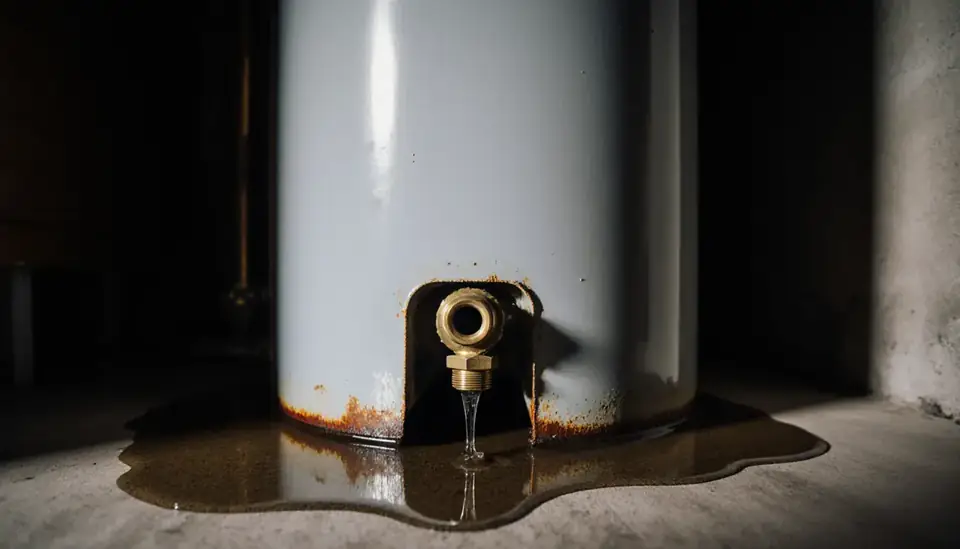
Middlesex County summers are humid, and July brings about five inches of rain on average at New Brunswick, right across the river. Basements that flood in that season can show mold on drywall, carpet backing and stored boxes within 24 to 48 hours. Drying quickly prevents most of it. If a smell lingers or spots spread after the water is gone, there may be moisture inside a wall, and growth over a large area should be handled through mold remediation with containment.
Neighborhoods and Nearby Communities
Calls come in from across Piscataway, including:
- New Market
- Lake Nelson
- Fieldville
- North Stelton
- Possumtown
- Raritan Landing
- Johnson Park
- Bound Brook Heights
- Society Hill
The same line also serves nearby communities such as:
- New Brunswick
- Edison
- Highland Park
- Dunellen
- Middlesex
- South Plainfield
- South Bound Brook
Piscataway Water Damage Questions
Does Piscataway flood when it rains upstream?
The Raritan rises from rain falling across a large basin in Somerset and Hunterdon counties, so river levels along Piscataway's southern edge can climb after storms elsewhere. Floyd and Ida both brought record crests upstream at Bound Brook and Manville. Follow National Weather Service river forecasts, not only local rainfall, if you live or park near the river.
My rental near campus has a wet basement. Who handles it?
In most leases the landlord is responsible for the building, including drying and repairing walls, floors and plumbing. Tell the landlord in writing right away and take photos. Your own belongings are generally covered only by renters insurance. If sewage backed up, stay out of the area until it is cleaned and disinfected.
Where can I find emergency information for Piscataway?
Piscataway Township's Office of Emergency Management coordinates local response, runs a Community Emergency Response Team program and lists disaster assistance contacts such as FEMA and the Red Cross. The township website also links to an emergency alert sign-up. For flood watches and warnings, follow the National Weather Service in Mount Holly.