
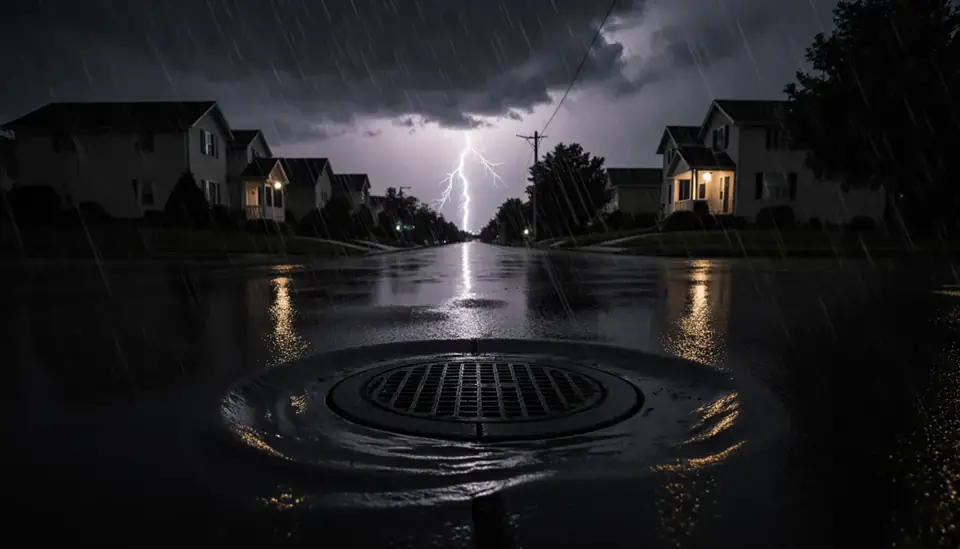
Ewing Township climbs from just under 20 feet above sea level along the Delaware River to about 225 feet near Trenton-Mercer Airport and Interstate 295. Between those two points run Shabakunk Creek, its West Branch and Jacobs Creek, small streams that drain a lot of pavement for their size. That geography explains most of what floods here: not the big river, which only touches the township's western edge, but fast runoff funneling into narrow creek channels and low streets.
As a referral service, The Restoration Job hands your call to an independent company and performs no restoration itself. Call (888) 317-9980, day or night, and we'll connect you with a provider that serves Ewing, from Braeburn Heights and Fernwood to West Trenton and the riverside homes near Wilburtha and Scudders Falls.
How the call works: when you call (888) 317-9980, The Restoration Job connects you with an independent restoration provider that serves Ewing. That provider inspects the damage, explains the scope and quotes the work. The Restoration Job doesn't perform restoration itself. Read our referral disclosure.
The West Branch Shabakunk and the 1996 Flood
The West Branch Shabakunk Creek starts at Trenton-Mercer Airport and runs southeast through the township. Between Pennington Road and Spruce Street much of it flows through a hardened, canal-like channel, the result of heavy commercial development along its banks. On June 12, 1996, more than 7 inches of rain fell in about four hours. The creek overran its channel and caused roughly $10 million in damage, plus about $24 million in municipal overtime costs, and the township followed with a $4.2 million flood and erosion control project.
The main branch of the Shabakunk passes through Lake Sylva on The College of New Jersey campus before forming a short stretch of the boundary with Lawrence. When a storm parks over the airport plateau, both branches respond within hours, and homes in low spots along them can take water through basement windows and doors before the rain even stops.
Ida, I-295 and Mercer County's 2021 Flash Flood
The remnants of Ida on September 1, 2021, brought dozens of water rescues across Mercer County, according to the National Weather Service. Interstate 295 was closed by flooding between exits 72 and 73 in Ewing, and Route 29 along the river was closed in places as well. The Delaware at Trenton, just downstream, reached only minor flood stage, which underlines the point: in Ewing the damaging water usually comes from sky and creek, not the river.
River flooding still matters for the strip of homes and roads between the township's bluff and the Delaware. During major crests, such as the run of 2004, 2005 and 2006 floods recorded at the Trenton gauge, low ground along that edge is the first to be affected.
Postwar Homes and Basement Water
Ewing grew as a Trenton suburb through the twentieth century, and after World War II farmland gave way to whole neighborhoods of single-family houses. Homes from that era are now 60 to 75 years old, and their weak spots are predictable:
- Original sump pits and pumps, or none at all, in basements built before modern drainage practices.
- Cracked block foundations and failing window wells that let runoff in during heavy rain.
- Aging water heaters and washing-machine hoses in finished basements.
- Cast-iron sewer laterals prone to roots and backups.
Finished basements raise the stakes, because carpet, paneling and drywall soak up water quickly. Fast water extraction followed by measured drying usually saves more of the structure than waiting a day to see whether it dries by itself.
Slow-Drying Basements and Mold Along the Shabakunk
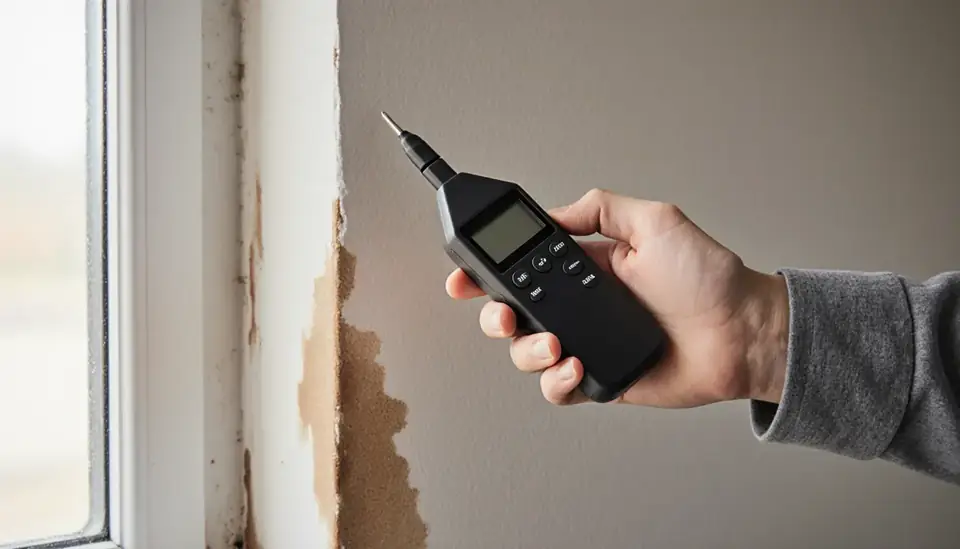
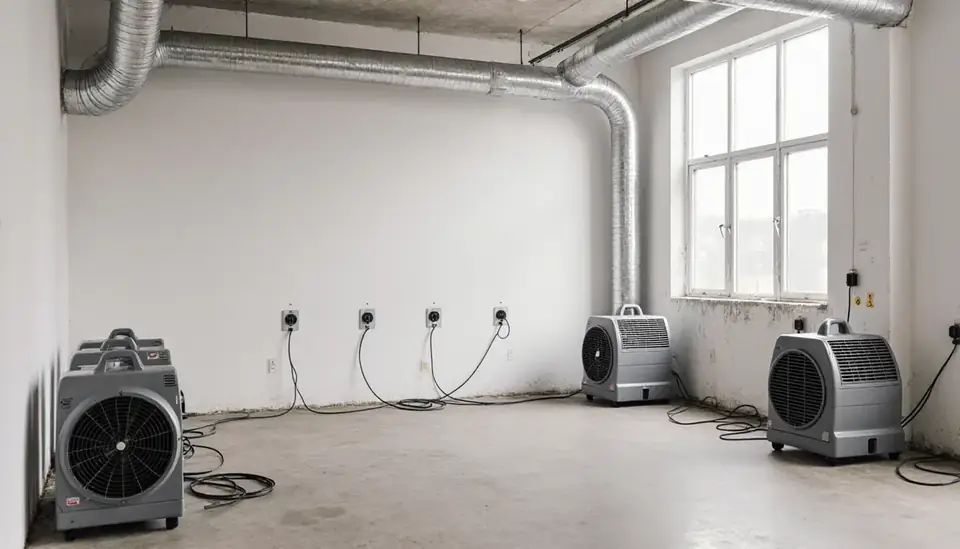
Mercer County gets roughly 45 to 48 inches of precipitation a year, and summer humidity makes basements slow to dry naturally. Mold can establish itself on damp drywall and wood framing in a couple of days during warm weather. A restoration crew will typically remove wet carpet pad and the lower section of drywall, set dehumidifiers and air movers, and track moisture readings until materials reach normal levels; the structural drying page explains the process. If a musty smell persists after a leak was cleaned up, hidden moisture behind a wall or under flooring is a likely cause and worth checking before you repaint or recarpet.
Renters Near TCNJ and Landlord Responsibilities
With The College of New Jersey in the township, a portion of Ewing's housing is rented to students and staff. When water damage hits a rental, tell the landlord or property manager in writing as soon as you can, with photos and the time the leak started. The owner's policy generally covers the building, while tenants need their own renters coverage for belongings. Shut off the fixture or the water supply if it is safe to do so, and keep receipts for anything you have to buy or replace.
Where Callers in the Ewing Area Are
Calls come in from across Ewing, including:
- West Trenton
- Ewingville
- Braeburn Heights
- Fernwood
- Prospect Heights
- Shabakunk Hills
- Hillwood Lakes
- Wilburtha
- Scudders Falls
The same line also serves nearby communities such as:
- Trenton
- Lawrence Township
- Hopewell Township
- Yardley
- Lower Makefield Township
Common Questions
Why do some Ewing streets flood when the Delaware is nowhere near flood stage?
Most local flooding in Ewing comes from the Shabakunk creeks and storm drains rather than the river. These streams drain the airport plateau and a lot of paved commercial land, so intense rain reaches them fast. The June 1996 storm, with over 7 inches in about four hours, and Ida in 2021 both showed how quickly that runoff can overwhelm channels and low roads.
Where can I sign up for emergency alerts in Ewing?
The township website lists an emergency management page and a RAVE alert system; at the time of writing it says to text SMART911 to 67283 to receive notices about severe weather and other emergencies. The NWS Mount Holly office also issues flash flood warnings for Mercer County, which most phones receive automatically as wireless emergency alerts.
My finished basement flooded from groundwater. Does homeowners insurance pay?
Often not, at least for water entering from outside. Flood and seepage through the foundation are commonly excluded from standard homeowners policies, while a sudden pipe burst usually is covered. Some policies offer a sump pump failure or sewer backup endorsement. Read your exclusions, document everything before cleanup, and ask your agent whether a separate flood policy makes sense for your address.
How long does it take to dry out a basement in Ewing?
For a clean-water leak caught early, three to five days of dehumidification is typical, though it depends on how much drywall, carpet and framing got wet and on the season. Humid summer weather slows drying. Providers confirm completion with moisture readings rather than a fixed schedule, and contaminated floodwater adds removal and cleaning time before drying even begins.