
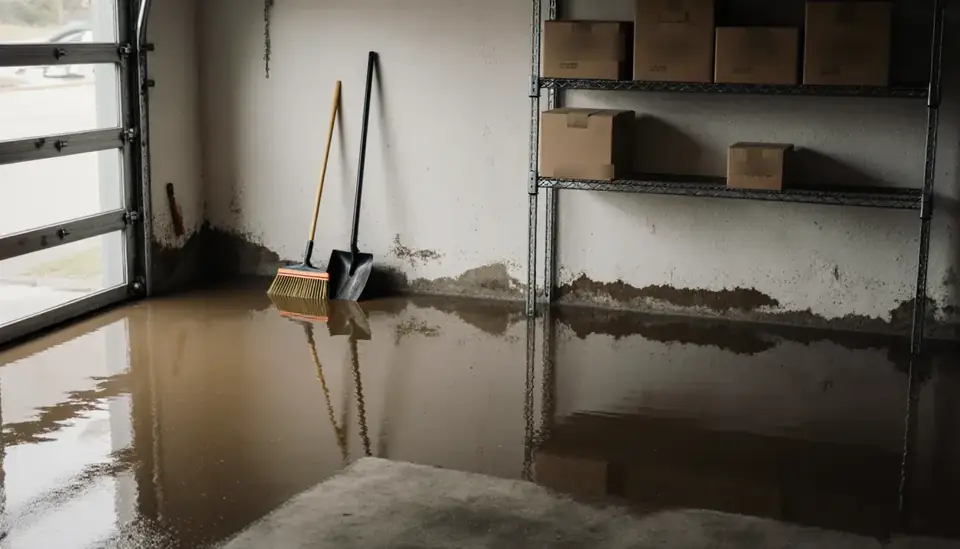
New Jersey's capital grew up at the falls of the Delaware, the spot where the river drops about 8 feet across the fall line and turns tidal for the rest of its run to the bay. That location made Trenton an industrial city, and it also put it in the path of the river's biggest floods. A second waterway, Assunpink Creek, cuts through downtown in a channel near the Trenton Transit Center, and in a hard tropical downpour it can rise faster than the Delaware does.
This page is from The Restoration Job, a no-cost referral service rather than a contractor. Call (888) 317-9980 and we'll connect you with an independent restoration provider that serves Trenton, whether the problem is river water in a South Ward basement, a burst pipe in a West Ward twin or a ceiling leak in a downtown office.
How the call works: when you call (888) 317-9980, The Restoration Job connects you with an independent restoration provider that serves Trenton. That provider inspects the damage, explains the scope and quotes the work. The Restoration Job doesn't perform restoration itself. Read our referral disclosure.
The Delaware at Trenton: Crests from 1904 to 2006
The National Weather Service puts flood stage for the Delaware River at Trenton at 20 feet. The highest crest on its list is 30.3 feet on March 8, 1904, followed by 28.6 feet on August 20, 1955, when the remnants of Connie and Diane soaked the basin; the city's weather records show 14.55 inches of rain that month. Then came three floods in less than two years. The river reached 23.4 feet in September 2004 and 25.33 feet on April 4, 2005.
The June 2006 flood was worse still, cresting nearly 8 feet over flood stage, the fourth-highest level recorded at Trenton. More than 1,000 people were evacuated from low-lying parts of the city, and debris in the river forced the water filtration plant to shut down for a time. River floods like these arrive with some warning, since the crest builds over a day or more upstream, which gives residents near the water time to move belongings and shut off utilities before it peaks.
Assunpink Creek and the Night of Ida
Flash flooding is the other half of Trenton's risk. On September 1 and 2, 2021, the remnants of Ida stalled over central New Jersey. The NWS Mount Holly office recorded Assunpink Creek at Trenton cresting at 12.59 feet, in its major flood category, and parts of the city were evacuated. The Delaware rose only to minor flood stage that night; the damage came from the creek and from streets and storm sewers that could not drain the rain fast enough.
Upstream, Mercer Lake was built as a federal flood control project to protect Trenton from the Assunpink, but a storm of Ida's intensity can still overwhelm the lower creek. Homes near the creek corridor and in low blocks of the South and East wards are the most exposed.
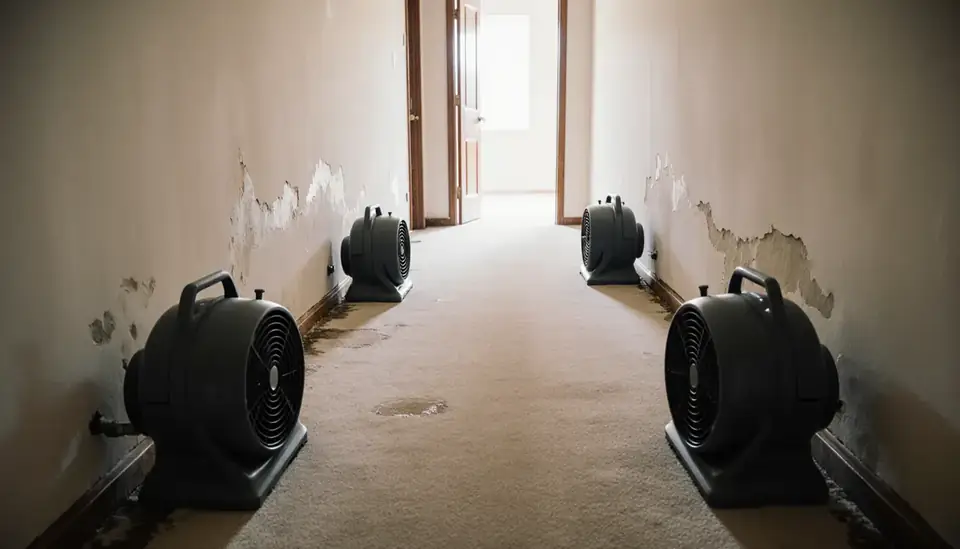
Old Housing, Old Pipes and Shared Walls
Trenton is an old city, with about 34,000 housing units, historic districts such as Mill Hill and the State House area, and many attached homes on narrow lots. Older buildings bring familiar leak sources:
- Galvanized and lead-era supply lines that corrode from the inside and fail at joints.
- Cast-iron drain stacks that crack, letting wastewater seep into walls and ceilings below.
- Basement boilers and water heaters that leak slowly for weeks before anyone notices.
- Party walls, so water from one home can show up next door.
With roughly one in eight units vacant in the 2020 census, a leak in an empty building next door can go unnoticed until it stains a shared wall. Plaster walls also hold water differently than drywall; they can look sound while the lath behind them stays wet, so a moisture meter is more reliable than a visual check.
Cleanup After Delaware or Assunpink Floodwater
Floodwater from the Delaware or the Assunpink is contaminated and should be treated that way. A sensible sequence after the water drops:
- Stay out of a flooded basement until power to that level is off, and do not restart a boiler or water heater that was submerged until it is inspected.
- Photograph water lines on walls and damaged contents before anything is thrown out.
- Remove soaked carpet, padding, drywall and insulation; river silt left behind should be shoveled out and surfaces cleaned and disinfected.
- Dry the structure with air movers and dehumidifiers and confirm with moisture readings before rebuilding.
For a home with standing water, our page on flood cleanup outlines what providers typically do, and the sewage cleanup page covers backups through floor drains, which often happen in the same storms.
Humid Summers and Mold in Trenton Basements
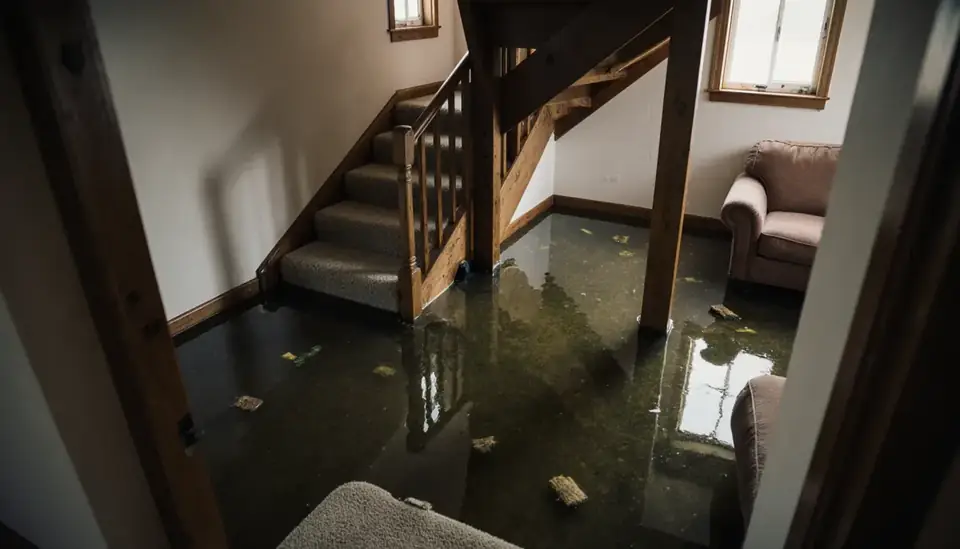
Trenton averages about 45 inches of precipitation a year, with July the wettest month, and summers along the river are humid. A basement that took on water in a late-summer storm can show mold growth on wood, drywall paper and stored cardboard within a few days if it isn't dried. Older masonry foundations also wick ground moisture, so many basements in the city stay damp even without a flood. Running a dehumidifier, keeping stored items off the floor and fixing gutters and downspouts that dump water next to the foundation all help. Where growth is already visible across a large area, professional mold remediation with containment is usually the safer route than scrubbing it yourself.
Trenton Neighborhoods and Surrounding Towns
Calls come in from across Trenton, including:
- Chambersburg
- Mill Hill
- The Island
- Battle Monument (Five Points)
- Cadwalader Heights
- Hiltonia
- Duck Island
- Chestnut Park
- West End
- Franklin Park
The same line also serves nearby communities such as:
- Ewing
- Hamilton Township
- Lawrence Township
- Morrisville
- Falls Township
Questions From Trenton Property Owners
How much warning do I get before the Delaware floods Trenton?
Usually more than for a flash flood. The Delaware drains a basin of thousands of square miles, so the NWS Mount Holly office forecasts the Trenton crest a day or more ahead, using the 20-foot flood stage as the threshold. Watch those river forecasts when heavy rain falls upstream, and move valuables, chemicals and electronics out of the basement before the crest, not after.
Is Assunpink Creek flooding covered by homeowners insurance?
Generally not. Standard homeowners policies exclude flood, meaning surface water or overflowing creeks and rivers. Flood protection is bought separately, most often as an NFIP policy. Sewer backup is a different peril again and is often an optional endorsement. Check your declarations page, and look up your address on FEMA's Flood Map Service Center to see whether you are in a mapped flood zone.
Water is coming through my wall from the rowhouse next door. What should I do?
Contact your neighbor or their landlord right away, since the source has to be stopped on their side. Photograph the damage with dates, and notify your own insurer. If the adjoining unit is vacant and no one responds, the city may be able to help reach the owner. Once the source is fixed, the shared wall and any framing behind your plaster should be checked with a moisture meter before repairs.
Can I get help with water damage in Trenton at night?
The (888) 317-9980 line answers 24/7, and we'll connect you with an independent restoration provider serving Trenton. Many providers in the area offer emergency service, but availability varies, so ask about timing when you are connected. In the meantime, shut off the water main if a pipe has burst and keep away from any water near outlets or panels.