
Lawrence Brook defines more of North Brunswick than most residents realize. The township sits inside the brook's 48-square-mile watershed, and Farrington Lake, the long reservoir formed by a dam on the brook, forms the boundary with East Brunswick and South Brunswick. Smaller runs and ditches feed it from neighborhoods on both sides of Route 1 and Route 130, so a heavy storm here becomes a question of how fast that network can drain.
Think of this line as a switchboard rather than a contractor. Phone (888) 317-9980 at any hour and we'll put you in touch with a provider serving North Brunswick for a soaked basement, a leaking appliance or water that came through the roof.
How the call works: when you call (888) 317-9980, The Restoration Job connects you with an independent restoration provider that serves North Brunswick. That provider inspects the damage, explains the scope and quotes the work. The Restoration Job doesn't perform restoration itself. Read our referral disclosure.
Flash Flooding Along Route 1 and Route 171
On the evening of September 1, 2021, the remains of Ida turned the township's main roads into drainage channels. The National Weather Service logged State Highway 171 closed by flooding just north of U.S. Route 1 in North Brunswick shortly after 8 p.m., and Route 1 itself closed a short distance away in Highland Park less than an hour later. Middlesex County was among the counties approved for FEMA individual assistance after that storm.
Roadway flooding like that is a signal that storm sewers are full. When that happens, water looks for the next lowest path, which can be a window well, a basement stairwell or a floor drain connected to the same system. Homes near the Route 1 corridor and along the low ground toward Farrington Lake tend to see trouble first.
From Farm Town to 44,000 Residents
North Brunswick had about 6,450 people in 1950 and nearly 44,000 by 2020. Growth spread over seven decades usually leaves a mixed housing stock, from older single-family houses to newer subdivisions and attached units, and each type tends to produce a different kind of call.
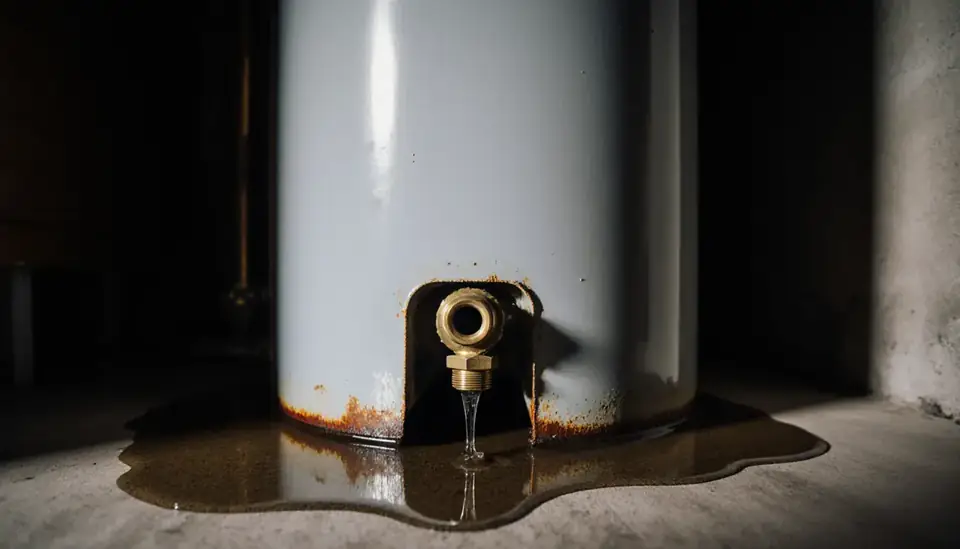
- Older single-family homes: foundation seepage, aging water heaters and corroded supply lines
- Townhouses and condos: leaks that cross a shared wall or ceiling into a neighbor's unit
- Apartments: upstairs overflows from tubs, dishwashers or washing machines
- All types: ice dams and frozen pipes in a hard winter
In attached housing, check your association documents to see where your responsibility ends and the association's begins before repairs start.

How a Restoration Provider Approaches a Wet Basement Here
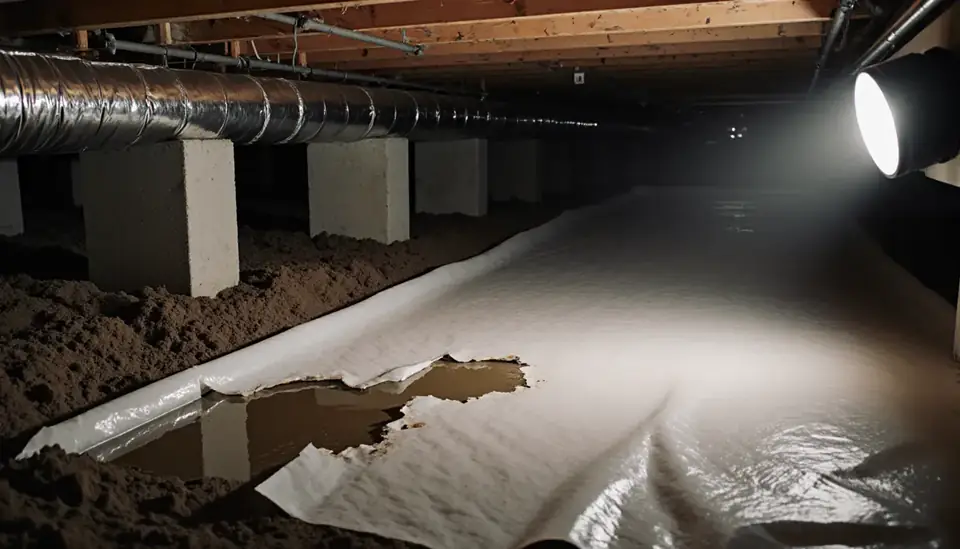
A typical job starts with finding the source and classifying the water. A supply-line break is clean water; storm runoff that came in from outside or water from a backed-up floor drain is treated as contaminated, which changes what can be kept. Next comes extraction, then removal of materials that can't be dried well, such as carpet pad and the lower section of soaked drywall. Drying equipment stays until moisture readings show framing and concrete are back to normal. If the damage involves finishes and fixtures that must be replaced, see our overview of water damage repair for what follows the drying phase.
Ask the provider to document readings each day. Insurers often want that record, and it shows when the space is genuinely dry rather than just dry to the touch.
Humidity, Farrington Lake and Mold
Middlesex County averages about five inches of rain in July, its wettest month, and summer air in the Lawrence Brook valley stays heavy for weeks. That combination means leftover moisture after a leak rarely dries out by itself. Mold can start on damp drywall, carpet backing and stored boxes within a couple of days. After any water event, keep a dehumidifier running in the basement, empty or drain it daily, and look behind furniture pushed against outside walls. If growth covers more than a small area or keeps returning, professional mold remediation with containment is the safer route than scrubbing it yourself.
Before the Next Big Storm
A few inexpensive steps reduce the odds of a flooded lower level. Test the sump pump each spring and fall by pouring water into the pit, and consider a battery backup since storms often knock out power. Extend downspouts several feet from the foundation. Keep storm drain inlets on your street clear of leaves in autumn. Move valuables and documents off the basement floor, and check whether your policy includes sewer backup coverage, which is often an optional add-on.
North Brunswick Neighborhoods and Surrounding Towns
Calls come in from across North Brunswick, including:
- Livingston Park
- Maple Meade
- Black Horse
- Red Lion
- Adams
- Georges Road
- Franklin Park
The same line also serves nearby communities such as:
- New Brunswick
- Milltown
- East Brunswick
- South Brunswick
- Franklin Township
- Highland Park
Frequently Asked Questions
Water from my upstairs neighbor's unit came through my ceiling. Who pays?
It depends on where the leak started and what your association's master deed and bylaws say. Often the unit owner where the leak began, or that owner's insurer, is responsible, while the association covers common elements like roofs and shared pipes. Report it to the association and your own insurer promptly, photograph the damage and keep records of any drying work.
Does North Brunswick flood from the Raritan River?
The township touches the Raritan watershed mainly through Lawrence Brook and its tributaries, so most local water problems come from heavy rain, overloaded storm drains and high groundwater rather than the main river. The Ida storm reports here were about flooded roads, not riverbanks. Check the FEMA flood map for your address to see whether a mapped flood zone affects your property.
Is basement water from a storm covered by homeowners insurance?
Usually not if it came in as surface flooding; that is covered by a separate flood insurance policy. Damage from a burst pipe or appliance failure is more often covered. Sewer or drain backup is frequently an optional endorsement. Call your insurer before major demolition, and document everything so the cause of the water is clear.