

Fifteen percent of Sayreville is water. The borough stretches along the south bank of the tidal Raritan River to the edge of Raritan Bay, and the South River cuts through it on the way to its confluence. Sayreville was a brick-making center for more than a century, but its setting on the water is what explains why storm tides, not only rainfall, are part of the flood picture here.
The Restoration Job is a free connection service rather than a restoration firm. Call (888) 317-9980, day or night, and we'll put you in touch with an independent provider that works in Sayreville for flood cleanup, basement water or a plumbing failure inside the house.
How the call works: when you call (888) 317-9980, The Restoration Job connects you with an independent restoration provider that serves Sayreville. That provider inspects the damage, explains the scope and quotes the work. The Restoration Job doesn't perform restoration itself. Read our referral disclosure.
Sandy and the 250-Home Buyout
Superstorm Sandy in October 2012 pushed significant tidal flooding up the Raritan into Perth Amboy and Sayreville, forcing residents from their homes along the river. The damage was severe enough that in 2013 many owners accepted a federally funded offer to buy out 250 houses in the floodplain. New Jersey's Blue Acres program carries out buyouts like these, moving families out of homes that flood repeatedly and turning the land into open space that can hold floodwater.
The buyout reduced the number of homes in the most exposed areas, but it did not eliminate tidal risk for the rest of the borough. Low streets near the river and the South River can still take water when a nor'easter or tropical system coincides with high tide.
Ida and Rain-Driven Flooding
Surge is only one threat. On September 1, 2021, Ida's remnants dropped intense rain across central Jersey, and the National Weather Service received reports of multiple water rescues across Middlesex County that evening. Nearby, U.S. Route 9 flooded near the Edison Bridge, a short distance north of Sayreville, and Middlesex later qualified for FEMA individual assistance. Rain events like Ida overwhelm storm sewers and push water into basements in parts of town well away from the shoreline.
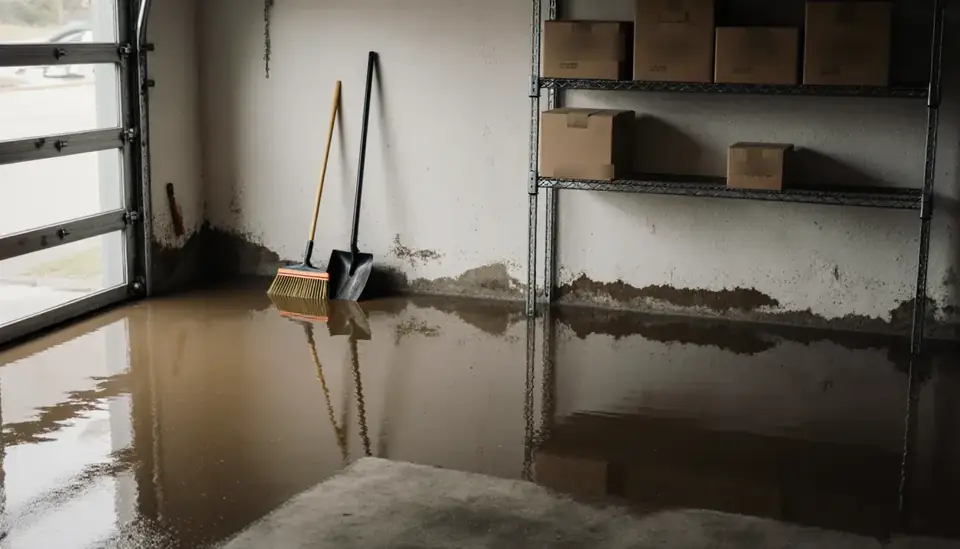
Saltwater Versus Rainwater: Why It Changes the Job
Water that comes in from the Raritan or the bay is brackish and carries silt, fuel and sewage. A provider handling tidal flood cleanup will usually treat everything it touched as contaminated:
- Remove drywall and insulation to a cut line above the high-water mark
- Discard carpet, pad and soaked upholstered furniture
- Clean and disinfect framing, slabs and block walls
- Rinse salt residue, which keeps attracting moisture and corrodes metal
- Have an electrician check wiring, outlets and appliances before power is restored
Clean-water losses, such as a broken supply line, usually allow more materials to be dried in place. For a sense of the steps in either case, see our flood cleanup overview, or the sewage cleanup page if drains backed up.
Practical Steps for Riverside Households
Sign up for the borough's emergency notifications through its Office of Emergency Management, which also keeps a registry for residents with special needs. Learn your flood zone from the FEMA map and keep a flood insurance policy in force, since standard homeowners coverage generally excludes flooding and new flood policies usually have a waiting period. Keep important papers upstairs or in waterproof containers. If water is forecast, move vehicles to higher ground and raise items stored on basement floors.
After the water recedes, photograph everything before removal and keep samples of damaged flooring for your adjuster if possible.
Mold in a Waterfront Borough
Between the river, the bay and summer humidity, Sayreville homes do not dry out quickly on their own. July is the wettest month in Middlesex County at about five inches, and warm, damp air after a late-summer storm gives mold an easy start on wet drywall and wood. Begin drying within a day or two, run dehumidifiers continuously and keep the space ventilated. Mold that returns after cleaning, or that covers more than a small patch, should be removed with containment by a remediation provider.
Sayreville Neighborhoods and Surrounding Towns
Calls come in from across Sayreville, including:
- Parlin
- Melrose
- Morgan
- Ernston
- Sayreville Junction
- Laurel Park
- MacArthur Manor
- Sayre Woods
The same line also serves nearby communities such as:
- South Amboy
- South River
- East Brunswick
- Old Bridge Township
- Perth Amboy
- Woodbridge Township
- Edison
Sayreville Water Damage Questions
My street wasn't part of the buyout. Am I still in a flood zone?
Possibly. The 2013 buyout covered 250 houses, but flood zones in Sayreville follow ground elevation and distance from the Raritan, the South River and the bay, not the buyout boundary. Look up your address on the FEMA Flood Map Service Center, and remember that properties outside mapped zones can still flood in a large surge or rain event.
Is tidal flooding covered differently than a burst pipe?
Yes. Water that rises from the river or bay and enters the home is a flood, which is generally covered only by a flood insurance policy through the National Flood Insurance Program or a private carrier. A sudden pipe or appliance failure is usually a homeowners claim. Each policy has its own documentation requirements, so photograph the source and damage before cleanup.
How do I get emergency alerts in Sayreville?
The borough's Office of Emergency Management uses a Smart911-based emergency notification system and keeps a special needs registry for residents who would need extra help during an evacuation or shelter operation. Sign up through the borough website, and also follow National Weather Service Mount Holly forecasts for coastal flood and flash flood warnings.
Can brick and block walls be saved after a flood?
Usually. Masonry tolerates flooding better than drywall or wood paneling, but it absorbs water and can hold it for weeks. A provider will clean and disinfect the surface, then dry it with dehumidification while monitoring moisture readings. Furring strips, insulation and finishes attached to the masonry generally need to come off so the wall can dry.