
Old Bridge Township covers nearly 41 square miles, from Raritan Bay bluffs at Laurence Harbor to the brooks and subdivisions of Brownville, Madison Park and South Old Bridge. Cheesequake Creek, Deep Run, Matchaponix Brook, Tennents Brook and the South River all touch the township. The population tripled by 1960 and passed 51,000 by 1980 as Route 18 reached the shore and farmland gave way to housing, so a large share of homes date from those decades.
The Restoration Job is a free call-connection service with no crews of its own. Phone (888) 317-9980 any time and we'll connect you with an independent restoration provider covering Old Bridge, whether water came from the bay, a storm or a failed fixture.
How the call works: when you call (888) 317-9980, The Restoration Job connects you with an independent restoration provider that serves Old Bridge. That provider inspects the damage, explains the scope and quotes the work. The Restoration Job doesn't perform restoration itself. Read our referral disclosure.
Laurence Harbor and the Raritan Bayshore
Laurence Harbor is the easternmost community in Middlesex County and looks straight across the bay at Staten Island. High waterfront bluffs keep most of its homes above the reach of flooding, but the shoreline itself is exposed. Sandy struck the Raritan Bayshore on October 29, 2012, and its surge destroyed portions of the Old Bridge Waterfront Park. Across the bay region, surge in Middlesex and Monmouth counties was estimated at 4 to 9 feet.
For bluff-top homes, the bigger storm risks are usually wind-driven rain, roof and siding damage, and fallen trees rather than surge. Lower lots near Cheesequake Creek and the marsh edge are a different story, and owners there should know their flood zone.
Brooks, the South River and Inland Flooding
The South River forms where Manalapan and Matchaponix brooks meet and becomes tidal below the Duhernal Lake dam before joining the Raritan. Deep Run and Tennents Brook feed it from the Old Bridge side. Low ground along these streams can flood during long, heavy rains, and backyards that border them often stay soggy for days.
Most inland damage, though, comes from rain overwhelming drainage around individual homes. During the remnants of Ida on September 1, 2021, the National Weather Service recorded multiple water rescues across Middlesex County and flooding that closed Route 18 at Tices Lane, a few miles up the highway. Storms like that fill window wells, push water through basement walls and overrun sump pumps.
Houses From the Suburban Boom, Fifty Years On
Homes built in the 1960s and 1970s are now old enough that original plumbing and appliances are a common source of leaks. Typical calls in a township like this involve:
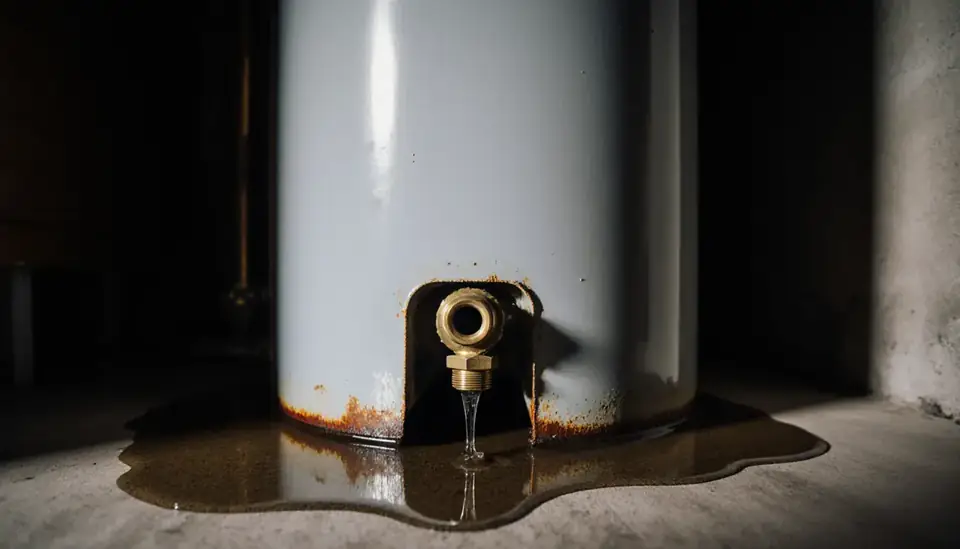
- Water heaters reaching the end of their life in basements and garages
- Corroded supply lines and shutoff valves under sinks
- Aging roofs that start leaking during nor'easters
- Slab and basement seepage after weeks of wet weather
- Frozen pipes in exterior walls or crawl spaces during cold snaps
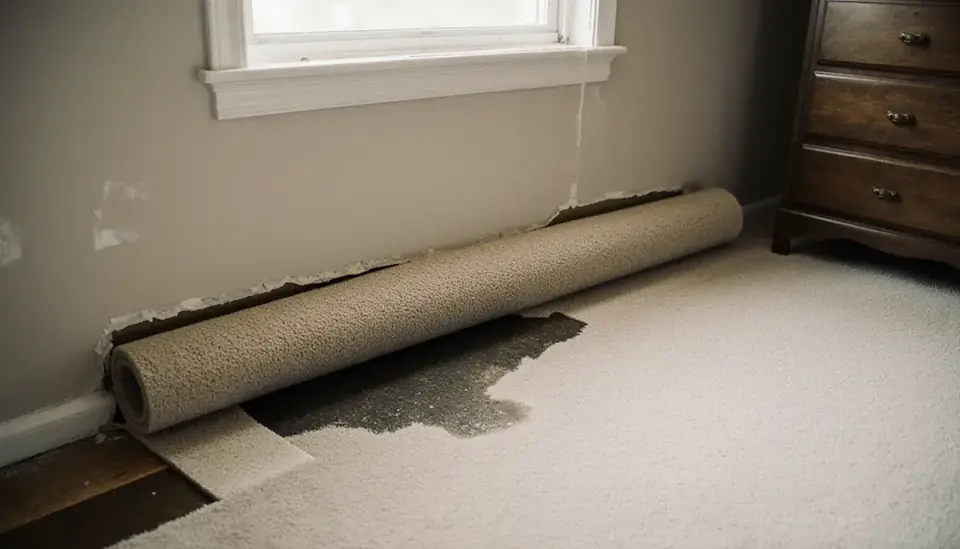
Fixing the source is only half the job. Water damage repair means drying and replacing what the leak reached, including subfloor, cabinets and drywall, once moisture readings confirm the structure is dry.
Steps to Take in the First 48 Hours
Shut off the water at the main if a pipe or appliance is leaking, and cut power to wet areas if you can reach the panel safely. Photograph damage before moving or discarding anything. Pull rugs, furniture and boxes out of the wet area and call your insurer to open a claim.
Removing water quickly limits what has to be torn out later. A provider offering water extraction can pull water from carpet and pad with truck-mounted or portable units, then set drying equipment. Floodwater from outside should be treated as contaminated, so soaked porous materials usually go.
Keeping Mold Out of a Shore-Side Basement
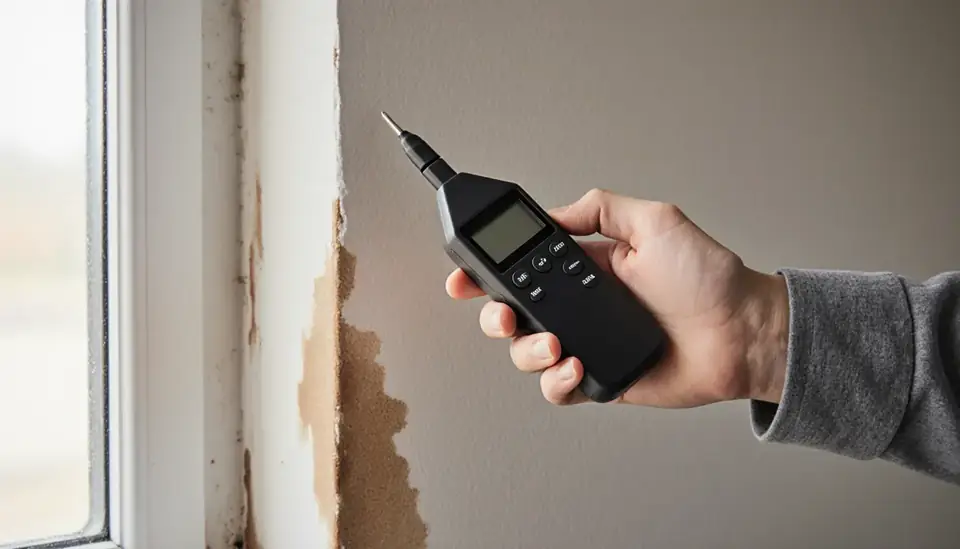
Old Bridge combines bay humidity with summer heat, and July is the rainiest month in this part of Middlesex County at roughly five inches. A basement that took water in August can develop visible mold within a couple of days if it isn't dehumidified. Look behind paneling, under carpet and on the back of drywall, not just on visible surfaces. Dry the space thoroughly, run a dehumidifier through the humid months, and bring in a remediation provider if growth covers a large area or keeps returning.
Old Bridge Neighborhoods and Surrounding Towns
Calls come in from across Old Bridge, including:
- Laurence Harbor
- Brownville
- Madison Park
- Cheesequake
- South Old Bridge
- Sayre Woods South
- Browntown
The same line also serves nearby communities such as:
- Sayreville
- East Brunswick
- Spotswood
- Monroe Township
- Matawan
- Aberdeen Township
- Perth Amboy
Questions From Old Bridge Property Owners
Is Laurence Harbor at risk of flooding?
Most homes in Laurence Harbor sit on high bluffs above Raritan Bay, which protects them from surge. The shoreline, the waterfront park and lower ground near Cheesequake Creek are more exposed, as Sandy showed in 2012. Check your specific address on the FEMA Flood Map Service Center, since risk can change sharply over a short distance along the bayshore.
Why does water come up through my basement floor after heavy rain?
Saturated soil creates water pressure under and around a foundation, pushing water through the joint where the floor meets the wall, through cracks, or up through a floor drain. Homes near the township's brooks or on low lots see this most. A working sump pump with battery backup, clear gutters and downspouts that discharge well away from the house all help.
How do I get emergency alerts in Old Bridge?
Old Bridge Township offers Code Red and text alert sign-ups on its website for local emergency notices. For flood watches and warnings, follow the National Weather Service office in Mount Holly, which forecasts for Middlesex County and issues coastal flood alerts for Raritan Bay.