
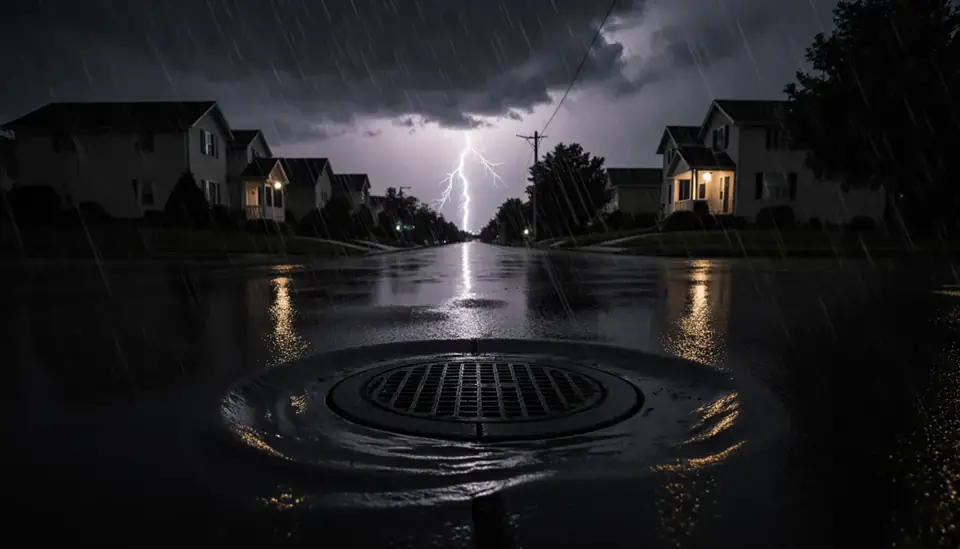
Voorhees Township sits on slightly higher ground than the river towns to its west, around 112 feet above sea level, and only a little more than one percent of its area is water. The North Branch of the Cooper River begins here, and the watershed includes a string of small lakes and ponds such as Kirkwood Lake. Flooding from big rivers is not the usual story in this part of Camden County. Instead, most water damage comes from inside the house or from the ground around it: sewer laterals, sump pits, plumbing and roof leaks during heavy summer storms.
The Restoration Job runs a free phone line and refers callers to independent restoration companies. Call (888) 317-9980 around the clock and we'll connect you with a company that serves Voorhees, including Echelon, Kirkwood, Ashland and Kresson.
How the call works: when you call (888) 317-9980, The Restoration Job connects you with an independent restoration provider that serves Voorhees. That provider inspects the damage, explains the scope and quotes the work. The Restoration Job doesn't perform restoration itself. Read our referral disclosure.
Who Owns the Sewer Line: The Curb Cleanout Rule
One detail every Voorhees homeowner should know before a backup happens: according to the township's sewer information page, the resident is responsible for the sanitary sewer line from the cleanout at the curb toward the house, while the township's Sewer Department handles the line beyond it. Broken, missing or buried cleanout caps and vents are also the owner's responsibility. If wastewater is backing up and you suspect a blockage at the curb, the township asks residents to call the Sewer Department at (856) 428-5499 before calling a plumber.
Storm drains are split too. Camden County maintains those on county roads, and the township handles drains on township streets. Knowing who to call can save hours when water is pooling at the end of a driveway. Any backup that reaches the inside of the house calls for sewage cleanup, with contaminated flooring and drywall removed rather than simply dried.
Cooper River Headwaters and Summer Downpours
The Cooper River runs about 16 miles from Gibbsboro, next door, to the Delaware at Camden, and its North Branch starts within Voorhees. Small headwater streams like these rise fast in intense rain because there is little channel to hold the water. Hurricane Irene in August 2011 dropped 8.60 inches on neighboring Somerdale, and downstream the Cooper reached major flood stage at Haddonfield.
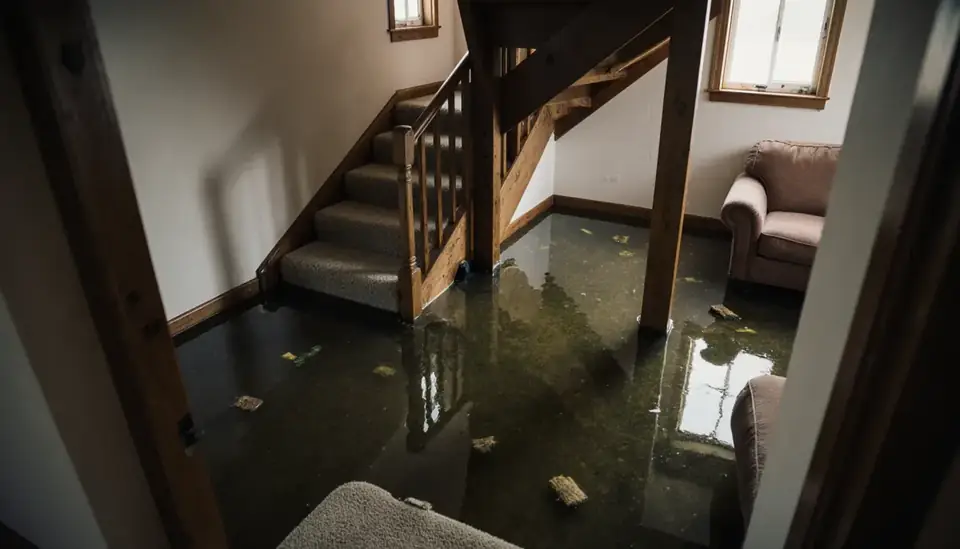
For most Voorhees homes, the practical risk from storms like that is not a river overtopping its banks but saturated soil. Basements and crawl spaces take on groundwater, window wells fill, and sump pumps run nonstop until they fail or the power goes out.
A Township That Grew Fast Between 1960 and 1990
Voorhees had fewer than a thousand residents in 1900 and more than 31,000 by 2020, with the population increasing more than sixfold between 1960 and 1990. That means a large share of houses, townhouses and apartments date from roughly the same few decades. Components installed then are now reaching the end of their service life:
- Original water heaters, if never replaced, and the shutoff valves beside them.
- Roof coverings and flashing on second or third replacement cycles.
- Washing machine hoses and refrigerator ice-maker lines that crack with age.
In attached housing, a leak in one unit can quickly involve the unit below or next door. Notify the association or management company early, since the master policy and individual owner policies often split responsibility.
Drying a Wet Basement Before Mold Starts
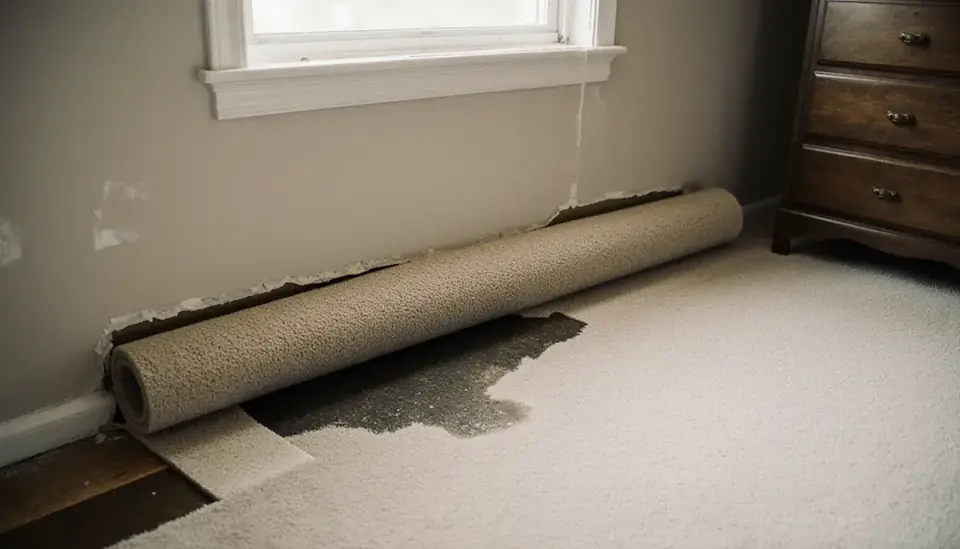
Camden County gets its heaviest rain in midsummer, when humidity is also at its peak. That combination slows natural drying and gives mold the warmth and moisture it needs on drywall paper, wood and carpet backing. A good rule is to have standing water out and drying equipment running within the first day or two. Professional structural drying uses moisture readings to decide when walls and subfloors are actually dry, rather than how they feel to the touch. If you find visible growth, avoid scrubbing or fanning it, which can spread spores, and have the area assessed.
Questions to Ask a Restoration Provider
When you call around after a loss, a few questions help you compare providers. Ask whether they will document moisture readings daily and share them with you, whether they work directly with your insurance adjuster or expect you to handle the claim, and how they dispose of contaminated materials. Ask for a written scope before demolition begins. If the job involves sewage, confirm they will remove and discard porous materials and disinfect surfaces rather than drying them in place.
Where Callers in the Voorhees Area Are
Calls come in from across Voorhees, including:
- Echelon
- Ashland
- Kirkwood
- Kresson
- Glendale
- Osage
- Brighton Heights
The same line also serves nearby communities such as:
- Cherry Hill
- Gibbsboro
- Lindenwold
- Somerdale
- Berlin Township
- Lawnside
- Evesham Township
Frequently Asked Questions
Sewage is backing up into my Voorhees basement. Who do I call first?
If you suspect the blockage is at or beyond the curb, the township asks residents to call its Sewer Department at (856) 428-5499 before hiring a plumber, since the township handles the line past the curb cleanout. The homeowner is responsible for the lateral between the cleanout and the house. Either way, stop using water in the house and keep people away from the contaminated area.
Is a basement in Voorhees likely to be in a FEMA flood zone?
Most of the township sits well above the river floodplains to the west, so many homes are outside mapped flood zones. Low areas along the Cooper River's headwater streams and lakes are the exceptions. FEMA's Flood Map Service Center will show the mapped zone for any address. Remember that groundwater and sump failures can flood a basement even outside a mapped zone.
How long will my house need fans and dehumidifiers running?
A clean-water leak caught quickly often dries in three to five days, but saturated drywall, hardwood floors or a soaked finished basement can take longer, especially in humid July and August weather. The provider should take moisture readings each visit and remove equipment only when materials match dry reference readings. Ending drying early is a common cause of later mold.