

Most of Wildwood sits about seven feet above sea level on a barrier island it shares with North Wildwood, Wildwood Crest and Diamond Beach. Around 5,000 people live here year-round, yet summer crowds can reach an estimated 250,000, and the 2020 census counted roughly two out of every three housing units as vacant. That mix of low ground, salt air and buildings that sit empty for months shapes almost every water damage call on the island.
Nobody on The Restoration Job's line does the repair work; the service is a free referral. Call (888) 317-9980 at any hour and we'll connect you with an independent restoration provider that works in Wildwood and the neighboring island towns.
How the call works: when you call (888) 317-9980, The Restoration Job connects you with an independent restoration provider that serves Wildwood. That provider inspects the damage, explains the scope and quotes the work. The Restoration Job doesn't perform restoration itself. Read our referral disclosure.
Living Seven Feet Above the Tide
With so little elevation, Wildwood does not need a hurricane to flood. A strong onshore wind lined up with a high astronomical tide can push bay water into streets on the western side of the island and back it up through storm drains. In January 2016, a winter blizzard drove the tide gauge at Cape May to a record 9.26 feet, higher than the reading during Sandy in 2012. During Sandy itself, floodwater and debris reached Morey's Piers on the boardwalk, though Cape May County was hit less severely than counties farther north.
The city's flood information page points residents to a Cape May County tidal flooding awareness map, live tide gauges and storm surge maps. Checking those before a coastal storm tells you whether your block is likely to see water, and whether it is time to move vehicles, stored items and anything on the ground floor up and out of the way.
Motels, Rentals and the Off-Season Leak
Wildwood's 1.8-mile boardwalk and more than 200 motels from the 1950s and 1960s Doo-Wop era give the city its character, and they also mean a large share of buildings are commercial lodging or seasonal rentals. Damage in these properties often starts small and grows because nobody is there to notice. Typical situations include:
- A burst pipe in an unheated unit during a January cold snap, discovered weeks later.
- Wind-driven rain from a nor'easter entering through flat roofs, parapets or older sliding doors and soaking ceilings below.
- A failed water heater or washing machine hose in a ground-floor utility room of a rental duplex.
- Leaks traveling between stacked motel rooms or condo units, where the source is one floor above the stain.
Owners who live off the island can ask a provider to begin water extraction and set drying equipment before they arrive. Request dated photos and moisture readings so the claim file stays complete.
After Saltwater Gets Inside
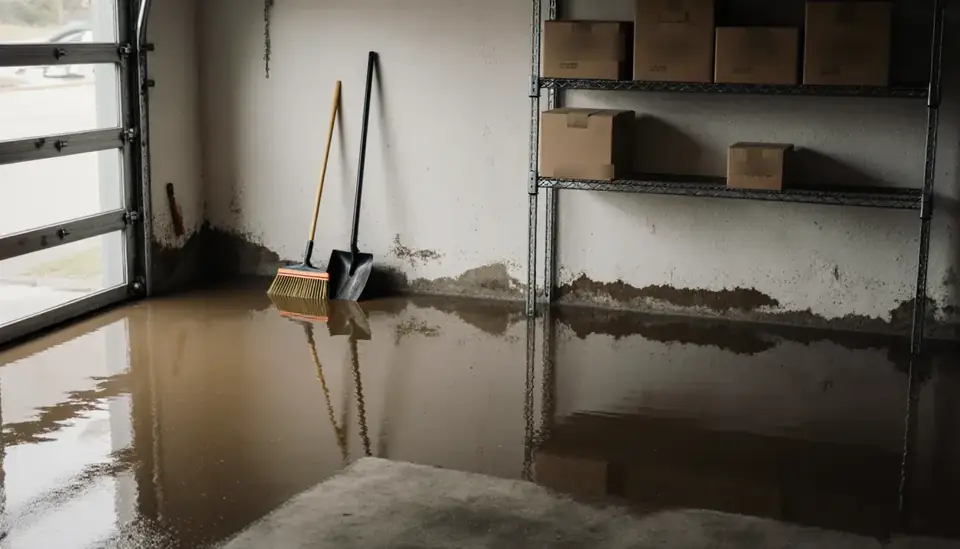
Tidal water and surge are not clean water. They carry salt, sand and whatever was in the streets and drains, so wet drywall, insulation and carpet pad generally need to come out rather than be dried in place. A restoration crew will usually measure how high the water wicked, cut walls a little above that line, and remove the debris before structural drying begins. Sand left in wall cavities or ductwork holds moisture, so it should be vacuumed out first.
Wait for city officials to allow re-entry after a storm, and have an electrician check panels, outlets and ground-level HVAC or water heaters that sat in water before turning anything back on. Photograph each room, the waterline and any discarded materials before they go to the curb.
Shore Humidity and Mold in Closed-Up Buildings
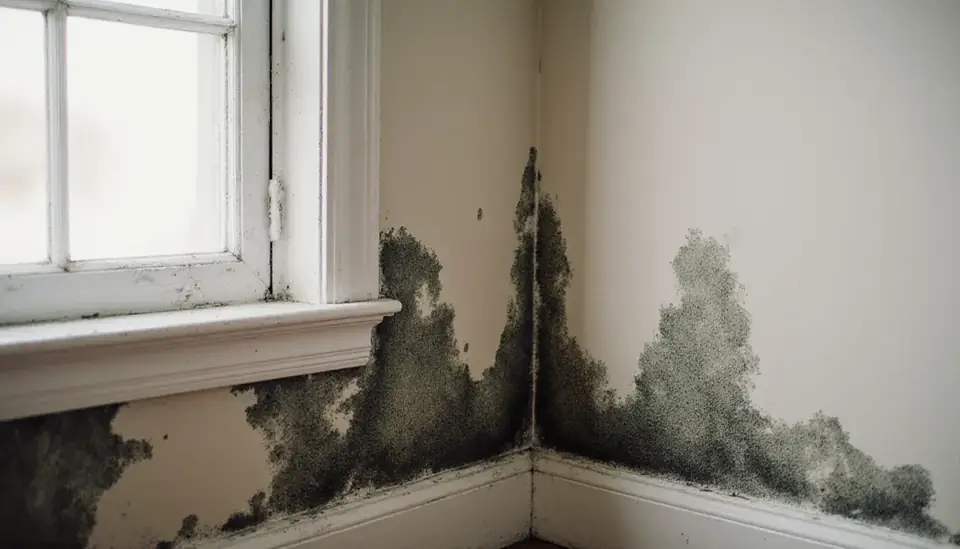
Summers on the island are humid, and a building sealed up for the season with damp materials inside is an easy place for mold to start. Musty odors in a unit that has been shut since Labor Day, staining around window frames, and spotting on the back of baseboards are common warning signs. Drying the structure fully within the first day or two matters more than any cleaning product.
When growth is already visible on drywall or framing, mold remediation typically involves containing the area, removing affected porous materials and cleaning the remaining surfaces, then fixing the moisture source so it does not return.
Flood Policies, Evacuations and Paperwork in Wildwood
Standard homeowners and many business policies do not cover rising water, and New Jersey's Office of Emergency Management notes that a National Flood Insurance Program policy normally takes 30 days to take effect. The city points out that flood insurance through the NFIP is available to every property in Wildwood, so buying coverage well before storm season is worth considering.
Evacuations are a real possibility here. Before Irene in August 2011, the county ordered barrier island residents out, and officials reported that about 90 percent of Cape May County had left. If you are allowed back after an event like that, document damage before cleanup starts and keep receipts for any emergency work. For broader context on storms around the state, see our New Jersey service area page.
Where Callers in the Wildwood Area Are
The same line also serves nearby communities such as:
- North Wildwood
- Wildwood Crest
- West Wildwood
- Lower Township
- Middle Township
- Cape May
Common Questions
Why do Wildwood streets flood on sunny days?
The island's average elevation is only around seven feet, so an unusually high tide combined with steady onshore wind can push bay water into low streets and up through storm drains without any rain at all. The county's tidal flooding awareness map, linked from the city's flood page, shows which areas tend to see water first. Moving cars and ground-floor items ahead of those tides avoids much of the damage.
My rental sat empty all winter and now there is water damage. What first?
Shut off the main water valve if the source is a pipe or fixture, and avoid wet electrical areas. Take photos and video of every affected room before moving anything. Then call (888) 317-9980 to be connected with an independent provider that serves Wildwood. Because the damage may have developed over weeks, ask the provider to check hidden areas such as wall cavities, subfloors and the units below.
Is a motel or condo leak handled differently from a house?
Often, yes. In a condo, the association's master policy may cover common elements while the owner covers the unit interior, and the governing documents decide where that line falls. In a motel, water can move between stacked rooms quickly. In either case, find the source first, notify everyone affected, and keep moisture readings for each unit so responsibility can be sorted out later.
Can I start cleanup before an adjuster sees a flooded Wildwood home?
Insurers generally expect you to take reasonable steps to prevent further damage, and waiting days in summer humidity invites mold. Photograph everything first, save samples of flooring or cabinets if practical, and list what you remove. A restoration provider can record moisture levels and the waterline, which helps the adjuster understand the loss after materials are gone.