

Camden sits at roughly 16 feet above sea level on the east bank of the Delaware River, directly across from Philadelphia. Close to 14 percent of the city's area is water, between the river, the Cooper River that cuts through town on its way to the Delaware, and Newton Creek along the southern line with Gloucester City. Add a dense stock of attached rowhouses and an old sewer network that carries rain and wastewater in the same pipes, and you have a city where a heavy storm can push water into basements from more than one direction at once.
The Restoration Job is a free referral line rather than a contractor: call (888) 317-9980 at any hour and we'll connect you with an independent restoration provider that serves Camden, whether the problem is in Cramer Hill, Fairview, Parkside or a converted building near the waterfront.
How the call works: when you call (888) 317-9980, The Restoration Job connects you with an independent restoration provider that serves Camden. That provider inspects the damage, explains the scope and quotes the work. The Restoration Job doesn't perform restoration itself. Read our referral disclosure.
Combined Sewers and Rain-Driven Basement Backups
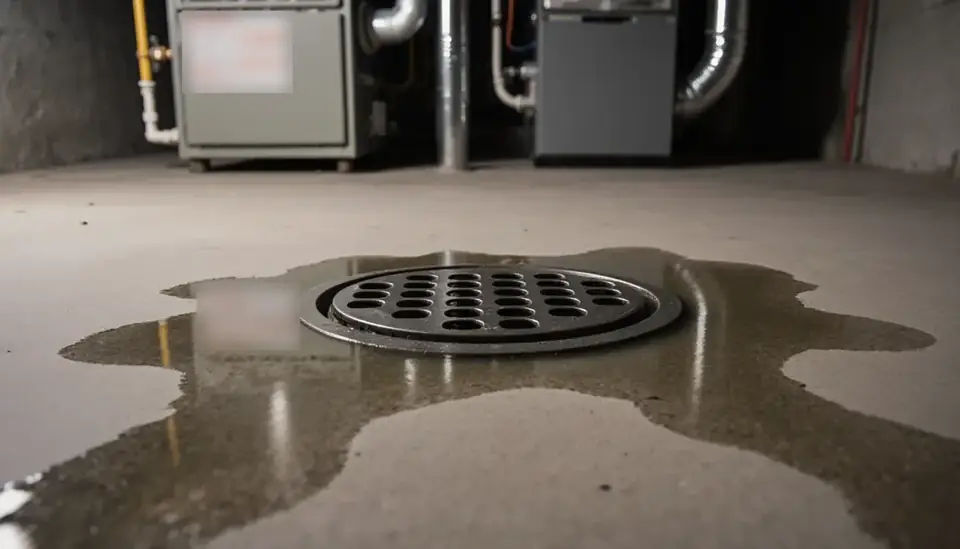
Like many older East Coast cities, this one relies on a combined sewer system, where household wastewater and stormwater share one pipe. According to the Camden County Municipal Utilities Authority, the system is owned jointly by the City of Camden, Gloucester City and the CCMUA, and stormwater volume can climb sharply within a short time when rain begins. When flow exceeds what the pipes can carry, overflow points discharge into local waterways. Those relief points exist to keep the mix out of homes and streets, but low basements and floor drains are still the first places to show trouble during an intense downpour.
The utility's long-term control plan aims to capture and treat 85 percent of combined sewage produced in wet weather, with large capital projects outlined in reports issued between 2018 and 2023. Until that work is complete, anyone with a basement in a low block should treat water coming up through a floor drain as contaminated. That calls for sewage cleanup procedures, not a mop and a fan.
The Tidal Delaware and the Cooper River
The Delaware at Camden is tidal, and storms that push water up Delaware Bay can raise it well above normal. The National Weather Service reported that Sandy in October 2012 produced record water levels on the tidal river at and near Philadelphia. A smaller event on October 29, 2021, brought moderate to major tidal flooding along the river and flooded streets around Penn's Landing on the Philadelphia side.
The Cooper River behaves differently. Tidal influence ends at the Kaighn Avenue Bridge, where the river is impounded, and upstream it responds to rainfall across a 40-square-mile watershed. During Irene in August 2011 the Cooper rose to 5.83 feet at the Haddonfield gauge, more than double its 2.8-foot flood stage. Ida in September 2021 brought road closures in Camden County where runoff and tidal flooding combined. Waterfront blocks in Cooper Point, North Camden and Waterfront South sit closest to these sources.
Rowhouses, Shared Walls and Hidden Moisture
Wikipedia notes that the rowhouse is Camden's most common home type, much as in Philadelphia. Attached houses change how water damage spreads and how it should be handled:
- A leak in one unit can travel along a party wall or joist pocket into the house next door, so it is worth knocking on the neighbor's door.
- Many older rowhouses have shallow, unfinished basements with stone or brick foundations that wick moisture long after the surface looks dry.
- Flat or low-slope roofs on attached houses can hold ponding water and leak at seams or around chimney flashing.
- Vacant or poorly maintained houses next door can hide a slow leak that only shows up as a stain on your side.
A restoration crew working in attached housing typically checks adjoining walls with a moisture meter and may need access from both sides to dry a shared cavity properly.
Damp Basements, Humid Summers and Mold
The city has a humid subtropical climate with hot, sticky summers, and July is typically the wettest month in the county. Under those conditions, mold can start on soaked drywall, wood and stored cardboard within a couple of days. Masonry basement walls that stayed wet after a backup are a common source of lingering musty odors.
If the smell remains after a cleanup, moisture is probably still trapped somewhere. Remove wet porous materials, run dehumidification, and confirm with meter readings rather than by touch. Sewage-contaminated drywall and carpet should be discarded, and larger affected areas are a job for professional mold remediation with containment.
The First Hour in a Wet Camden Basement
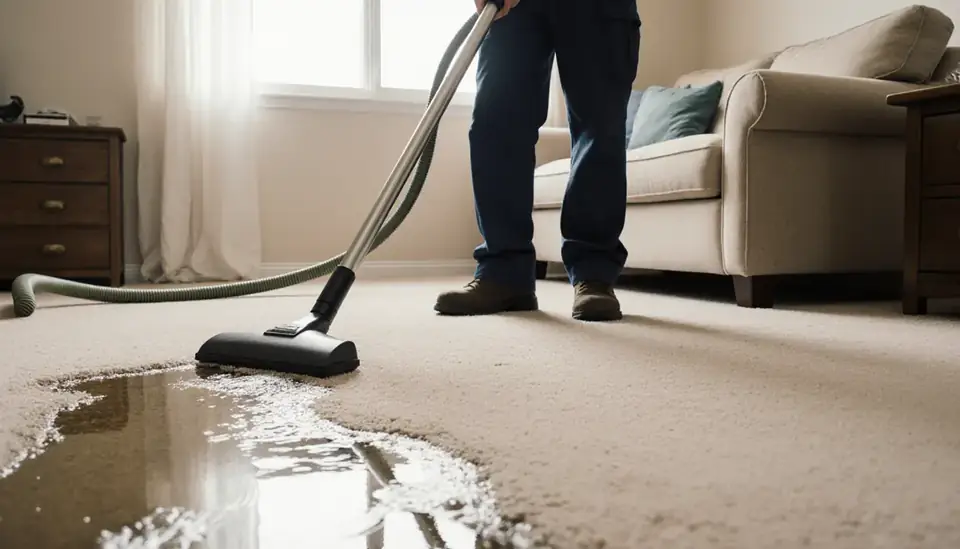
Shut off power to the basement at the panel if water has reached outlets or appliances and you can get to the panel safely. Photograph the water level, damaged belongings and any visible sewer debris before anything is moved. Renters should notify the landlord in writing right away, since the building owner usually handles structural repairs while tenants rely on their own coverage for belongings.
Residents can report flooding locations through the Camden SMART initiative's Camden Reports tool, which helps the city and its partners see where green infrastructure and drainage work are needed. The same program has offered free rain barrels with installation, including to renters.
Camden Neighborhoods and Surrounding Towns
Calls come in from across Camden, including:
- Cramer Hill
- Fairview
- Parkside
- Cooper Point
- North Camden
- Waterfront South
- East Camden
- Lanning Square
- Walt Whitman Park
- Pyne Point
The same line also serves nearby communities such as:
- Pennsauken
- Cherry Hill
- Collingswood
- Gloucester City
- Oaklyn
- Woodlynne
Camden Water Damage Questions
Storm water rose out of my basement floor drain. Should I assume it is sewage?
Very likely, at least in part. Camden's combined sewer system carries stormwater and household wastewater together, so water backing up through a floor drain in heavy rain should be treated as contaminated. Keep children and pets away, avoid skin contact, and do not try to save soaked carpet or drywall. A restoration provider will remove affected materials, disinfect surfaces and then dry the space.
Does homeowners insurance cover a sewer backup in Camden?
Standard homeowners policies often exclude sewer and drain backup unless you added a specific endorsement, and they also exclude flood from rising surface water. Check your declarations page for a water backup rider. For rising water you would need a separate flood policy, from the NFIP or a private insurer. Document the damage thoroughly before cleanup begins so the claim has a clear record.
How do I find out whether my block is in a flood zone?
Search your address on FEMA's Flood Map Service Center, which shows mapped flood hazard areas along the Delaware, the Cooper River and Newton Creek. Mapped zones do not capture every risk, though. Sewer backups and street ponding from overwhelmed drains can affect homes well outside them, so a basement with past water problems deserves attention whatever the map shows.
Can I report a flooded street or clogged inlet?
Yes. The Camden SMART initiative, a partnership that includes the city, the CCMUA and Rutgers Cooperative Extension, runs a Camden Reports tool where residents can anonymously report flooding as well as illegal dumping. For a sewer emergency, contact the CCMUA customer line during business hours or 911 if there is any danger to life or property.