
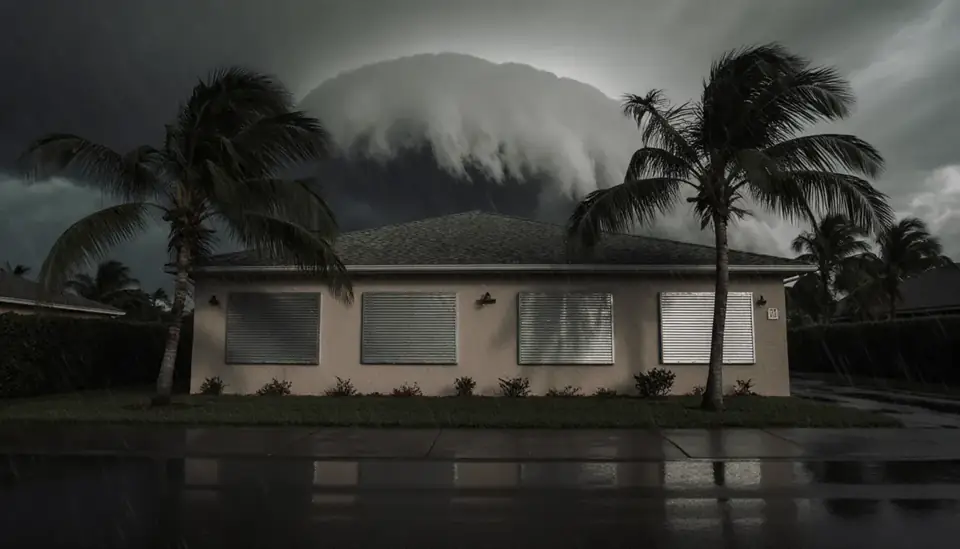
Ocean City occupies an 8-mile barrier island with the Atlantic on the east, Great Egg Harbor Bay wrapping around the north and west, and Corson's Inlet State Park at the southern tip. Its average elevation is about 7 feet, and the city states plainly that it floods year-round. Around 11,000 people live here permanently, but summer population has been estimated at 115,000 to 130,000, and nearly three-quarters of its roughly 20,700 housing units were counted as vacant in 2020, meaning seasonal.
The Restoration Job is a free referral line; it does not employ restoration workers. Call (888) 317-9980 at any hour and you will be connected with an independent provider that serves Ocean City.
How the call works: when you call (888) 317-9980, The Restoration Job connects you with an independent restoration provider that serves Ocean City. That provider inspects the damage, explains the scope and quotes the work. The Restoration Job doesn't perform restoration itself. Read our referral disclosure.
Full Moons, New Moons and Flood Tides
The city's flood guidance explains that full and new moons bring higher tides, and that flooding most often lines up with those cycles. Typical high tides run between 3 and 5 feet above mean low water. Minor flooding begins at 5.3 feet, moderate at 6.3 and major at 7.3. Add a few days of onshore wind and a moon tide can push into the major range without any named storm.
That happened in late September 2026, when a nor'easter lasting from September 22 to 28 produced seven straight days of at least minor flooding and peaked at 7.63 feet, among the highest readings the city has on record. Note that forecasts and gauges sometimes use NAVD88 instead of mean low water; the city's conversion is to add 2.06 feet to a NAVD88 value to get MLW.
Ocean City's Record Tides, From 1944 to Sandy
The city's list of historic tides reads like a regional storm history:
- Sandy, October 29, 2012: 9.31 feet, after landfall about 12 miles north on a full-moon tide
- The 1944 hurricane, September 15, 1944: 8.71 feet
- The Storm of '62, March 6 to 8, 1962: 8.41 feet, with 25-foot seas
- December 11, 1992 nor'easter: 8.29 feet
- The Perfect Storm, October 31, 1991: 8.06 feet, damaging parts of the boardwalk
- Winter Storm Jonas, January 23, 2016: 7.75 feet
Sandy's tide beat the 1944 record, and 29 percent of houses in the city suffered major to severe damage. High seas even washed boulders onto the Ocean City-Longport Bridge.

Recovering a Flooded Shore House or Condo
Bay water and surge are salty and carry silt and runoff, so cleanup follows contaminated-water practices. A restoration crew will typically pump out standing water, remove carpet, padding, drywall and insulation below the water line, clean and disinfect framing, then dry the structure with dehumidifiers and air movers while logging moisture readings. In duplexes and condo buildings, water moves between units through shared walls and floors, so owners and associations should coordinate so every affected unit is dried at the same time.
Before anything is thrown out, photograph the flood line and each damaged item. For larger losses, ask about structural drying of sill plates and floor joists, which hold moisture long after the surface feels dry.
Seasonal Rentals and Mold Between Summers
With most housing used seasonally, many leaks are discovered weeks after they start. A winter storm can drive rain through windows or a roof, or a frozen pipe can split in an unheated unit, and the water sits until spring. Ocean air and closed-up rooms give mold an easy start on drywall, cabinets and mattresses. Owners who rent for the summer should schedule post-storm checks during the off-season and keep some heat and humidity control running. If growth turns up before the rental season, mold remediation needs to address the moisture source as well as the visible growth.

Watching the Gauge Before the Water Rises
Ocean City recommends three checks before a flood tide: the regular tide prediction, the National Weather Service flood forecast, which combines the normal tide with storm effects, and the real-time USGS tidal gauge. Comparing the forecast to the minor, moderate and major thresholds tells you whether to move cars off the street, raise items stored in garages and first floors, or leave. New Jersey's Office of Emergency Management also reminds owners that homeowners policies do not cover flooding and that new flood policies usually take 30 days to begin. Across the bay, Egg Harbor Township sees the mainland side of the same storms.
Neighborhoods and Nearby Communities
Calls come in from across Ocean City, including:
- Peck Beach
The same line also serves nearby communities such as:
- Somers Point
- Egg Harbor Township
- Upper Township
- Strathmere
- Marmora
- Longport
- Linwood
Frequently Asked Questions
At what tide level does Ocean City start to flood?
The city lists minor flooding at 5.3 feet above mean low water, moderate at 6.3 feet and major at 7.3 feet. Normal high tides range from about 3 to 5 feet. If a forecast is published in NAVD88, add 2.06 feet to convert it to mean low water before comparing it with those thresholds.
Why does my street flood on a sunny day?
Full and new moons produce higher tides, and on a barrier island with an elevation around 7 feet, those tides can rise above street level near the bay, especially when onshore wind holds water in. Ocean City's own guidance says flooding most often coincides with these lunar cycles, so checking the tide calendar helps you anticipate it.
Our rental unit flooded in the off-season. Can it be ready by summer?
Often, if work starts promptly. Extraction and drying usually take several days, but removing and replacing drywall, flooring and cabinets, plus any electrical or HVAC repairs and permits, can stretch over weeks. Document everything for your insurer, start drying immediately, and check for mold before closing walls. The Restoration Job line at (888) 317-9980 can connect you with an available provider.
How did the September 2026 nor'easter compare with past storms?
According to the city's tide records, the nor'easter that lingered from September 22 to 28, 2026 peaked at 7.63 feet above mean low water and produced seven days in a row of at least minor flooding, with major flooding at its height. That peak sits just below Winter Storm Jonas in 2016 and Hurricane Gloria in 1985 in the city's list.