

Point Pleasant Beach occupies the northern tip of the Barnegat Peninsula, with the Atlantic on one side, the Manasquan Inlet and river to the north, and the Point Pleasant Canal cutting it off from the mainland. At under two square miles, nearly a fifth of it water, there is very little ground in town that is far from a shoreline. The borough grew as a resort after the railroad arrived in 1880, and its boardwalk still runs about a mile from the inlet south to New Jersey Avenue.
The Restoration Job is a free 24/7 connection line. Call (888) 317-9980 and we'll put you through to an independent restoration provider that serves Point Pleasant Beach for surge cleanup, wind-driven roof leaks or a plumbing failure in a rental or year-round home.
How the call works: when you call (888) 317-9980, The Restoration Job connects you with an independent restoration provider that serves Point Pleasant Beach. That provider inspects the damage, explains the scope and quotes the work. The Restoration Job doesn't perform restoration itself. Read our referral disclosure.
Surge From Two Directions on the Peninsula
On a barrier island, the ocean is only half the risk. In a strong nor'easter or hurricane, waves and surge hit the beachfront while the inlet, river and canal push water into the back side of town. Superstorm Sandy in October 2012 destroyed nearly 2,800 feet of the borough's boardwalk, with repair estimates of up to $2 million, and damage across New Jersey was heaviest in Ocean and Monmouth counties.
After the storm, a seawall was built to protect the area, and the borough required owners who wanted to rebuild their homes to elevate them on pilings. That has changed what flood damage looks like here: in elevated homes, the most exposed parts are now the enclosed areas, stairs, decks and mechanical equipment beneath the living floor.
Cleaning Up After Saltwater
Ocean and inlet water leaves sand, salt and debris behind, and it mixes with sewage and fuel as it moves through streets. Salt residue keeps drawing moisture into drywall and wood and corrodes metal, so surfaces that look dry may not be. Providers handling flood cleanup on the island typically:
- Shovel out sand and silt and remove debris
- Cut out wet drywall and insulation above the high-water mark
- Rinse and disinfect framing and hard surfaces to remove salt and contaminants
- Dry the structure with dehumidifiers before closing walls
- Flag HVAC, water heaters and electrical components for inspection by the appropriate trade
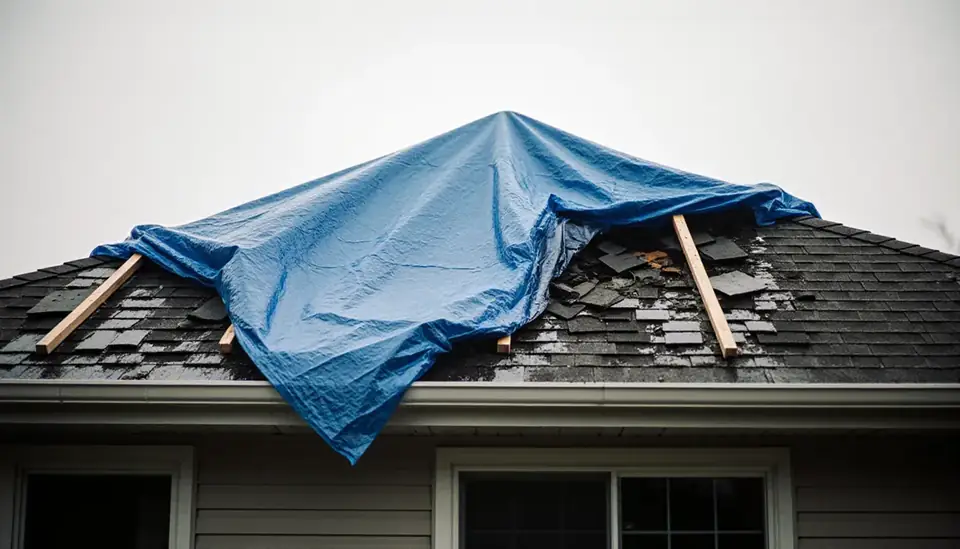
Wind, Roofs and Wind-Driven Rain
Oceanfront exposure means storms hit buildings with nothing to slow the wind. Shingles, siding and flashing are pulled loose, and rain is driven sideways into window frames and through vents. Older resort-era buildings and newer elevated homes both see this. Storm damage cleanup starts with temporary protection, such as tarps and board-up, so rain stops coming in, then moves to drying out the attic, ceilings and walls before permanent repairs.
Rentals, Seasonal Owners and Who to Call
Like much of the Shore, Point Pleasant Beach has homes that are rented out in summer or left empty for stretches of the off-season. That pattern creates two common patterns: leaks during the season that tenants may not report right away, and off-season losses, like a frozen pipe or roof leak, that run for days before anyone notices. If you own a rental, make sure tenants and a local contact know where the main shutoff is and who to call. When a loss happens, report it to your insurer quickly, keep the tenant's account of what they saw, and get drying started before mold has a chance to take hold.
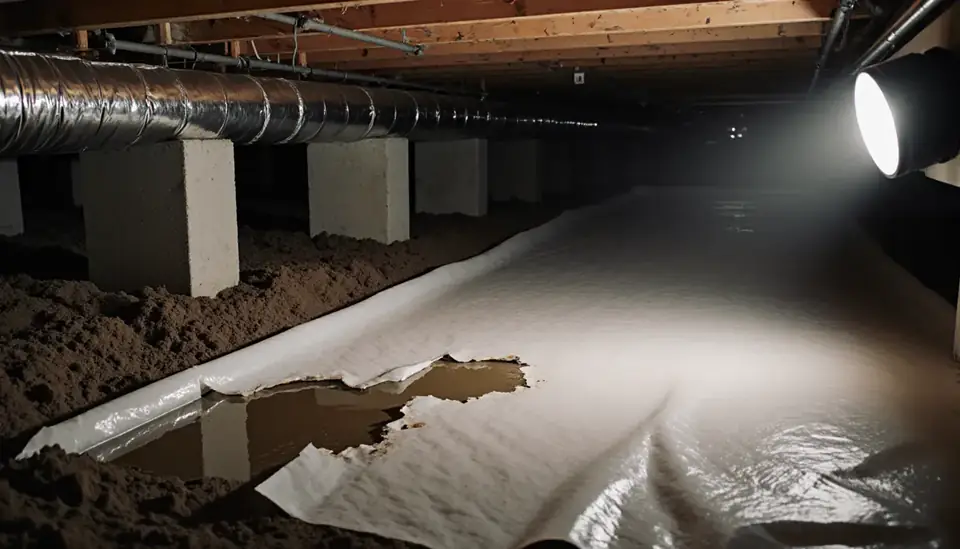
Damp Island Air and Mold
Summer humidity on the peninsula is high, and buildings near the ocean and inlet take in moisture through every gap. Closed-up homes in the off-season and lower enclosures under elevated houses are where mold most often develops after a leak or flood. The fix is the same everywhere: dry wet materials fast, remove what cannot be dried, and correct the moisture source. Where growth has spread over a large area, containment and professional removal keep spores out of the rest of the home.
Neighborhoods and Nearby Communities
Calls come in from across Point Pleasant Beach, including:
- Clark's Landing
- Lovelandtown
- Sunshine Harbor
The same line also serves nearby communities such as:
- Point Pleasant
- Bay Head
- Manasquan
- Brielle
- Mantoloking
- Brick
Point Pleasant Beach Water Damage Questions
My home was elevated after Sandy. What can still flood?
The living floor is above most floodwaters, but the space below is not. Storage, garages, stairs, entry areas and utilities underneath an elevated home can still take on water during surge. Keep valuables out of lower enclosures, make sure mechanical equipment is raised where required, and confirm what your flood policy covers in those areas.
Should I rinse saltwater off walls and floors myself?
You can safely remove sand and rinse hard surfaces once power is off and the building is safe to enter, but soaked drywall and insulation usually need to come out regardless. Salt keeps attracting moisture, so materials that look dry may not be. Professional drying with moisture readings is the surest way to know the structure is ready to rebuild.
Does flood insurance cover my Point Pleasant Beach rental?
A flood policy can cover a rental building, but contents coverage for tenants is separate and the tenant needs their own policy. Homeowners or landlord policies usually exclude surge and tidal flooding. Check your property's zone on FEMA's flood map and go over both policies with your agent before the storm season.
Where do I find coastal flood warnings for the inlet area?
The National Weather Service office in Mount Holly issues coastal flood advisories and warnings for Ocean County, including the Barnegat Peninsula. New Jersey's Office of Emergency Management posts statewide evacuation and preparedness information during major storms.