

Almost a quarter of Toms River Township is water. The township wraps around the tidal end of the river that shares its name, fronts several miles of Barnegat Bay, and reaches across the bay to the barrier peninsula at Ortley Beach and Normandy Beach. Ocean County's seat has grown quickly since the Garden State Parkway arrived, adding more than 20,000 residents in the 1990s alone, so flood exposure now touches bayfront bungalows, lagoon homes and large inland subdivisions alike.
The Restoration Job is a no-cost phone service that matches Ocean County callers with independent restoration companies, not a contractor. Call (888) 317-9980 any time and we'll link you with a provider that covers Toms River for flood cleanup, storm repairs or a burst pipe.
How the call works: when you call (888) 317-9980, The Restoration Job connects you with an independent restoration provider that serves Toms River. That provider inspects the damage, explains the scope and quotes the work. The Restoration Job doesn't perform restoration itself. Read our referral disclosure.
Sandy's Surge Over Barnegat Bay
When Superstorm Sandy hit in October 2012, many low-lying parts of the township, including Silverton and the downtown, had their worst flooding on record as surge overwhelmed Barnegat Bay. On the peninsula, Ortley Beach was hit so hard that months later homeowners were still waiting for permission to return to check on their properties. Damage across New Jersey was heaviest in Ocean and Monmouth counties.
Bay flooding of this kind arrives slowly, sits for hours and leaves salt, sand and sewage behind. Gypsum board, insulation, ductwork in crawl spaces, water heaters and furnaces on the lower level are usually a total loss once brackish water reaches them. Flood cleanup after a surge typically means removing wet materials to a cut line, cleaning and disinfecting the framing, and drying it fully before rebuilding.
When the River Itself Rises
The Toms River runs about 42 miles from the Pine Barrens to the bay, and its lower five miles are a broad tidal estuary. The USGS gauge near the township, with records back to 1928, logged its highest water level to that point during the March 12 to 15, 2010 nor'easter, with a record discharge of 2,360 cubic feet per second against a forecast of roughly 300. Then on August 29, 2011, Hurricane Irene pushed the river to its highest recorded crest, 13.62 feet. That same month set Ocean County's record for monthly rainfall, 15.67 inches.
Those two events show that the river can flood from the top down, with rain draining off the Pinelands, as well as from the bottom up when the bay is high. Streets near the river and its tributaries can take water in either case.
Lagoon Homes, Slabs and Crawl Spaces
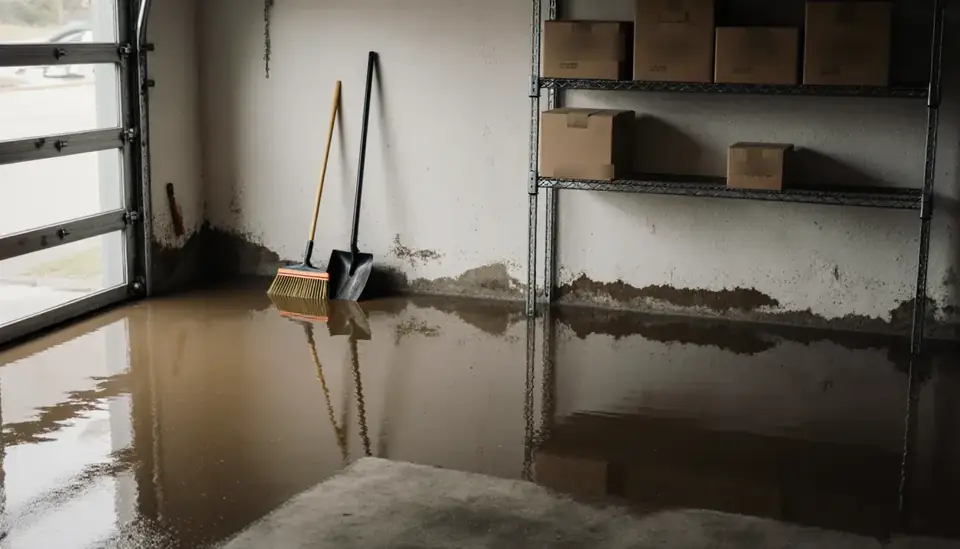
Housing here ranges from small seasonal cottages near the bay to postwar ranches and newer two-story homes in neighborhoods like Pine View, Gilford Park and Pleasant Plains. Many bayside and lagoon houses sit on slabs or shallow crawl spaces close to the water table, which means water reaches flooring and wall bottoms fast and crawl spaces stay damp long after a storm. Homes that have been elevated have different weak points: utilities, stairs and enclosed lower areas beneath the living space.
Inland, the most common calls involve failed supply lines, water heaters, roof leaks after nor'easters and sump pumps that quit during outages.
Getting Back Into a Flooded House Near the Bay
- Wait for officials to clear flooded areas, especially on the peninsula, and do not enter a home with water near the electrical panel.
- Photograph the waterline on walls, damaged contents and the outside of the house.
- Notify both your flood insurer and homeowners carrier; surge and rising water fall under flood coverage.
- Start drying within a day or two: open the house when outside air is drier, and get standing water out.
- Before reconstruction, check whether permits or elevation rules apply to your property.
The USGS gauge on the river and the National Weather Service in Mount Holly are good places to watch water levels and warnings ahead of the next storm.
Damp Shore Air and Mold After a Flood
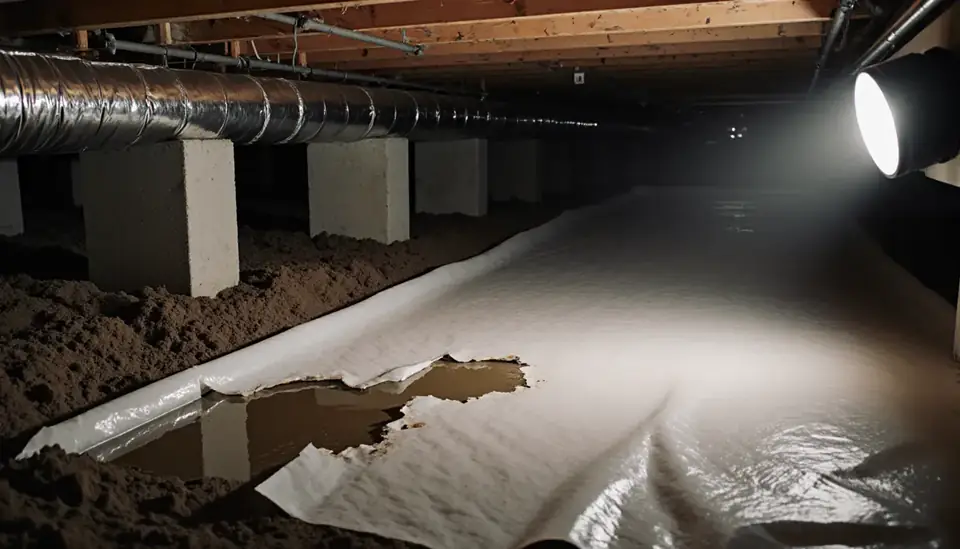
Summers along Barnegat Bay are warm, with July highs averaging in the mid-80s, and the air stays humid. Wet drywall and carpet pad in those conditions can start growing mold within a couple of days, and closed-up bayfront homes that sat flooded while owners waited to return often need far more removal than a quickly dried house. Treating the cause, not just the visible spots, matters: if a crawl space stays wet, growth will come back. When contamination has spread past a small patch, mold remediation with containment and removal of affected materials is the usual approach.
Neighborhoods and Nearby Communities
Calls come in from across Toms River, including:
- Ortley Beach
- Normandy Beach
- Silverton
- Gilford Park
- Pleasant Plains
- Pine View
- West Dover
- East Dover
- Cattus Island
- Shelter Cove
The same line also serves nearby communities such as:
- Brick
- Lakewood
- Jackson
- Berkeley Township
- Island Heights
- South Toms River
- Seaside Heights
- Lavallette
Common Questions
Does my homeowners policy cover water from Barnegat Bay or the river?
Generally no. Surge, tidal flooding and an overflowing river are flood losses, covered only by a separate flood policy through the National Flood Insurance Program or a private insurer. Homeowners coverage usually applies to sudden internal problems such as a burst pipe. Check FEMA's flood map for your address and keep a copy of any elevation certificate you have.
How fast does flooding develop along the Toms River?
It depends on the cause. Rain-driven floods build as runoff drains from the Pine Barrens, which can take a day or more, as in the 2010 nor'easter and Irene in 2011. Bay surge rises with the tide cycle during a coastal storm. Watching the USGS gauge and National Weather Service warnings gives useful lead time to move belongings and vehicles.
I evacuated from Ortley Beach and can't get back yet. Should I worry about mold?
Mold can begin within a couple of days in warm, humid conditions, so plan for it. Once officials allow access, document everything, then remove wet carpet, pad and drywall and get the house drying as quickly as possible. Expect more material removal than in a house dried right away, and have hidden cavities checked with a moisture meter.
Can I connect with a provider for a bayfront rental or second home?
Yes. Many Toms River properties are seasonal or rented. Call the line, explain where the property is and who can grant access, and you will be connected with an independent provider that serves the area. Have the owner or property manager available to approve the scope and to speak with the insurance carrier.