
One fifth of Brick Township's 32 square miles is water. The Metedeconk River widens past Forge Pond and runs six miles to Barnegat Bay through the middle of town, and the township also includes three slivers of the Barnegat Peninsula known as Brick Ocean Beaches I, II and III. Most of today's neighborhoods were built during a housing boom from the 1950s through the 1980s, after better road access opened the area up, so a large share of homes are now 40 to 70 years old.
The Restoration Job is a free referral line that connects Brick property owners with independent restoration providers. Call (888) 317-9980 around the clock to be connected with a provider serving the township for storm damage, flooding or a plumbing leak.
How the call works: when you call (888) 317-9980, The Restoration Job connects you with an independent restoration provider that serves Brick. That provider inspects the damage, explains the scope and quotes the work. The Restoration Job doesn't perform restoration itself. Read our referral disclosure.
Sandy Along the Metedeconk and the Peninsula
Superstorm Sandy in 2012 hit Brick's barrier-island and waterfront properties particularly hard. The Shore Acres Yacht Club and many homes took major damage, and some buildings had to be demolished. A Brick resident drowned in his own house. Just to the north, surge in Mantoloking cut a temporary inlet through the peninsula, briefly giving the Metedeconk a direct opening to the Atlantic until repairs closed it in early 2013.
Today the township tracks water levels at Watson Creek and on Barnegat Bay at Mantoloking among its flood warning points. Neighborhoods on the river and the bay, like Shore Acres, Mandalay Park and Havens Cove, remain the most exposed when a nor'easter or tropical storm lines up with high tide.
Lagoon and Riverfront Houses
Waterfront homes on Brick's lagoons and river coves often sit on slabs or crawl spaces only a few feet above normal high water. When bay water comes in, it soaks the bottom of every wall at once and gets into ductwork, insulation and appliances on the ground floor. Saltwater also corrodes wiring and HVAC components, which can fail weeks after a house looks dry.
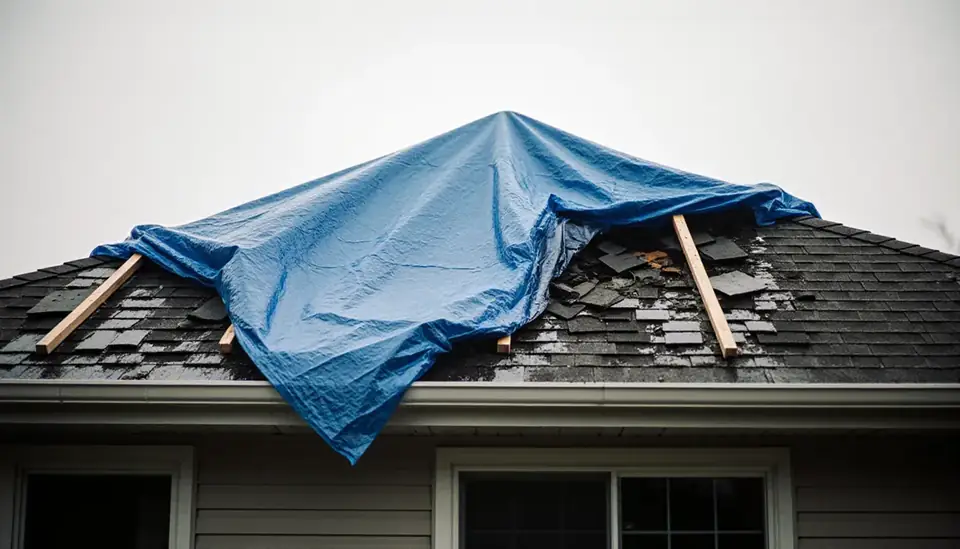
Storm damage cleanup on these properties usually combines exterior work, like securing roofs, siding and broken windows, with interior flood work: removing wet drywall and insulation, cleaning and disinfecting, and drying the frame before anything is closed up.

Inland Neighborhoods: Pipes, Pumps and Roofs
Most Brick homes are nowhere near the water's edge, in areas like Herbertsville, Laurelton, Breton Woods and Cedar Bridge. Here, water damage typically comes from inside: a supply line that cracks, a water heater that reaches the end of its life, or a washing machine hose that bursts. Houses from the 1950s to 1980s boom are at the age where original plumbing, roofs and windows are wearing out.
Wind-driven rain during coastal storms finds gaps in flashing and older roofs, and heavy downpours can overwhelm gutters and sump pumps. Prompt water extraction limits how far water wicks into flooring and walls.
Using Brick's Floodplain Tools Before You Rebuild
Brick takes part in the National Flood Insurance Program's Community Rating System, which the township says gives residents a discount on flood insurance premiums. Its floodplain information page explains flood zones and links to an online tool for looking up existing elevation certificates. Before you replace flooring or drywall after a flood, it is worth checking:
- Your property's flood zone and base flood elevation
- Whether an elevation certificate is already on file
- Whether your flood policy and your homeowners policy each cover part of the loss
- What the township requires for permits on repairs to flood-damaged buildings
Bayside Humidity and Mold Growth
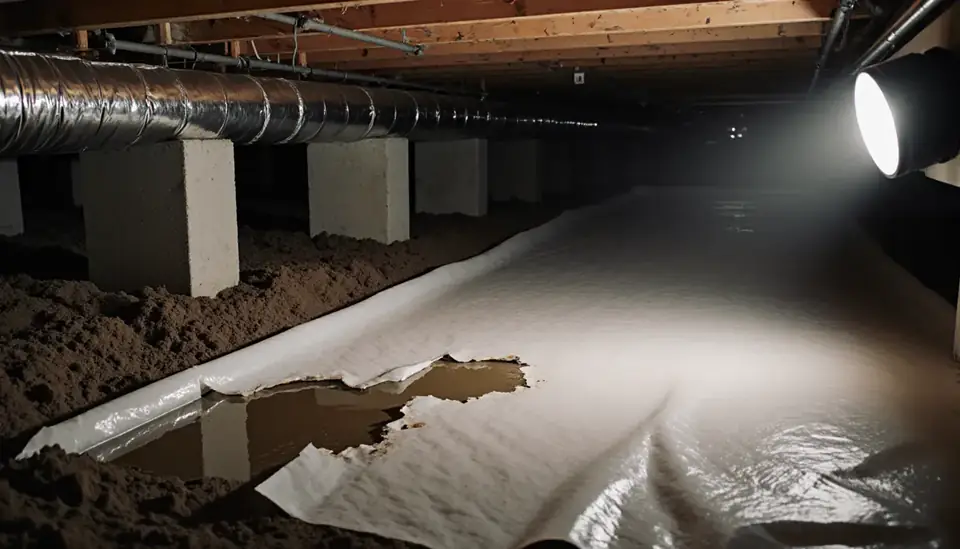
Brick's summers are warm and humid, and homes near the bay hold moisture in crawl spaces and closed rooms. Wet materials left more than a day or two can begin to grow mold, especially carpet pad, the paper face of drywall and the underside of subfloors. Fast extraction and dehumidification do the most to prevent it; if growth already covers a significant area, containment and careful removal by a professional keep spores from spreading to the rest of the house.
Areas In and Around Brick
Calls come in from across Brick, including:
- Herbertsville
- Laurelton
- Breton Woods
- Cedar Bridge
- Osbornville
- Shore Acres
- Mandalay Park
- Havens Cove
- Riviera Beach
- Greenbriar
The same line also serves nearby communities such as:
- Point Pleasant
- Lakewood
- Toms River
- Mantoloking
- Bay Head
- Wall Township
- Howell Township
- Brielle
Frequently Asked Questions
Where can I find my flood zone in Brick?
Start with FEMA's Flood Map Service Center, which shows the zone for any address. The township's floodplain information page also explains flood maps and links to an online search for elevation certificates already on file. Knowing your zone and elevation helps with insurance claims and with any permits needed to repair a flood-damaged home.
Do I need flood insurance if I live inland from the Metedeconk?
If your home is outside a mapped high-risk zone, flood insurance is optional, but heavy rain can still flood basements and low streets. Surface water from rain or the river is excluded from standard homeowners coverage. Because Brick participates in the Community Rating System, residents can get a discount on flood premiums, which makes coverage worth pricing.
My lagoon house took in saltwater. Can the walls be dried instead of removed?
Usually not. Saltwater and bay floodwater carry contaminants and salts that stay in drywall and insulation even after they dry. Providers typically remove affected wall materials above the waterline, clean and disinfect the framing, then dry it with dehumidifiers before rebuilding. Plaster or masonry may be treated differently, so ask for the reasoning.
Who sends emergency alerts in Brick?
The township promotes Nixle community notifications for local alerts, and the National Weather Service in Mount Holly issues watches and warnings for Ocean County. Signing up before hurricane season gives you time to move vehicles, clear storm drains and test a sump pump before a storm.