
Bergen County's seat sits only about 20 feet above sea level on the east bank of the Hackensack River, a tidal waterway that stays brackish up to the city because the Oradell dam, built in 1921, changed the lower river into an estuary. Within roughly four square miles you find the courthouse and medical center downtown, a mile-long strip of apartment towers on Prospect Avenue, garden apartment complexes, older two-family streets and single-family blocks in sections like Fairmount and North Hackensack.
The Restoration Job is a referral service rather than a contractor, and it runs a free phone line, (888) 317-9980, that connects you with independent restoration companies serving Hackensack, whether the problem is a flooded basement after a summer storm, a leak dripping through a high-rise ceiling or a backed-up floor drain.
How the call works: when you call (888) 317-9980, The Restoration Job connects you with an independent restoration provider that serves Hackensack. That provider inspects the damage, explains the scope and quotes the work. The Restoration Job doesn't perform restoration itself. Read our referral disclosure.
A Tidal River Along the City's Western Edge
Because the river is tidal this far north, water levels along the Hackensack waterfront respond both to rain upstream and to conditions in Newark Bay. Low ground near the river and around Hackensack River County Park drains slowly when a downpour coincides with a high tide. Just downstream, Sandy showed what a coastal storm can do to this river system: on October 30, 2012 a berm overflowed in Bergen County and neighboring Little Ferry and Moonachie saw up to five feet of water in their streets.
Most Hackensack properties sit well above that kind of surge, but heavy rain is a citywide issue. Bergen County averages more than 3 inches of precipitation in every month, peaking around 4.6 inches in July, when thunderstorms can drop much of that in an hour or two. The city is working on a Watershed Improvement Plan under its state stormwater permit, aimed partly at stormwater flooding, and invites residents to adopt a storm drain and keep it clear of leaves and litter.
Prospect Avenue Towers and Garden Apartments
Hackensack has more multifamily housing than most of Bergen County. In a high-rise, water from a failed supply line, a washing machine hose or a sprinkler head rarely stays in one unit; it follows pipe chases and ceiling cavities to the floors below. In garden apartment complexes, a leak upstairs often shows up as stained ceilings and wet carpet in a neighbor's unit.
Responsibility is split. Building management or the association usually handles common pipes, roofs and the structure, while unit owners and tenants are responsible for their own contents and, depending on the documents, interior finishes. Report the leak to management right away, photograph the damage in every affected unit, and ask who will coordinate the water damage restoration so drying is not done piecemeal.
Older Homes and Two-Family Houses
Away from the towers, much of the city is older housing: two-family homes with shared basements, stately older houses on large lots and suburban single-family streets. These buildings tend to share a few weak points:
- Basements with floor drains that can back up when sewers are overloaded in heavy rain.
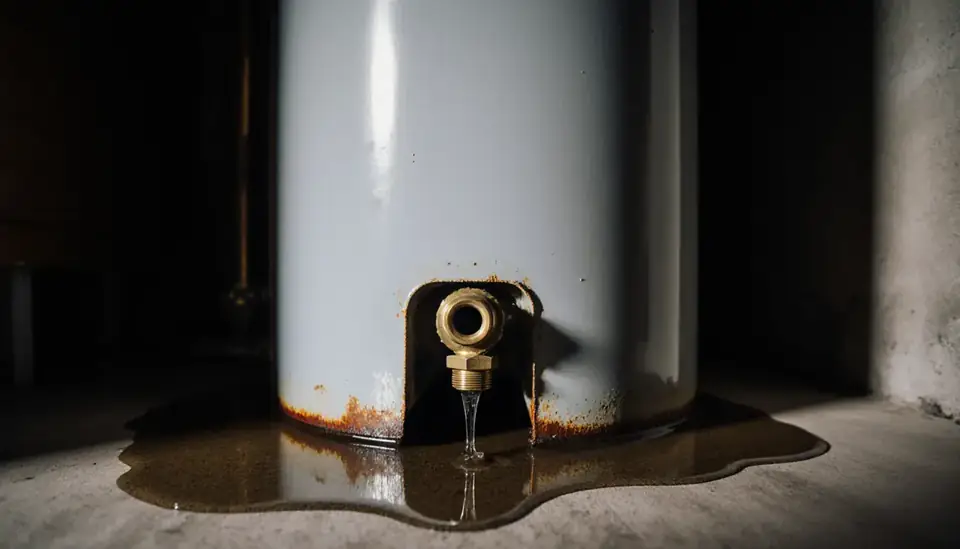
- Aging galvanized or copper supply lines and original cast-iron drain stacks.
- Finished basement rooms where paneling and carpet hide moisture for weeks.
- Older roofs and flashing that let water in during wind-driven rain.
In a two-family house, decide early whether the owner, the tenant or both will deal with each insurer, since contents and structure are often covered by separate policies.
Getting a Wet Basement or Unit Back to Dry
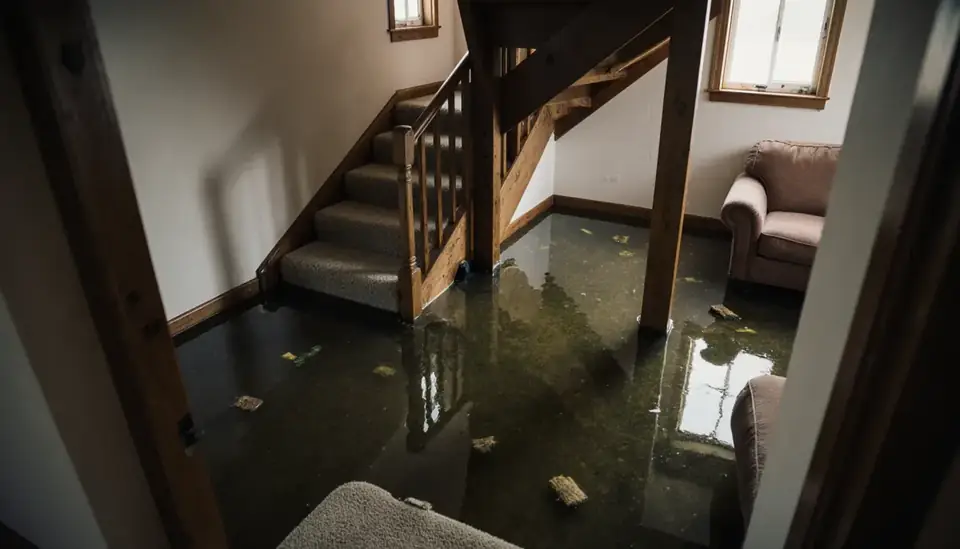
Start by stopping the source: shut the main valve for a pipe break, and stay out of a basement where water may reach outlets or a furnace until power is off. Photograph everything before moving it. Floodwater and sewer backup should be handled as contaminated, which means removing soaked carpet, padding and drywall rather than trying to clean them.
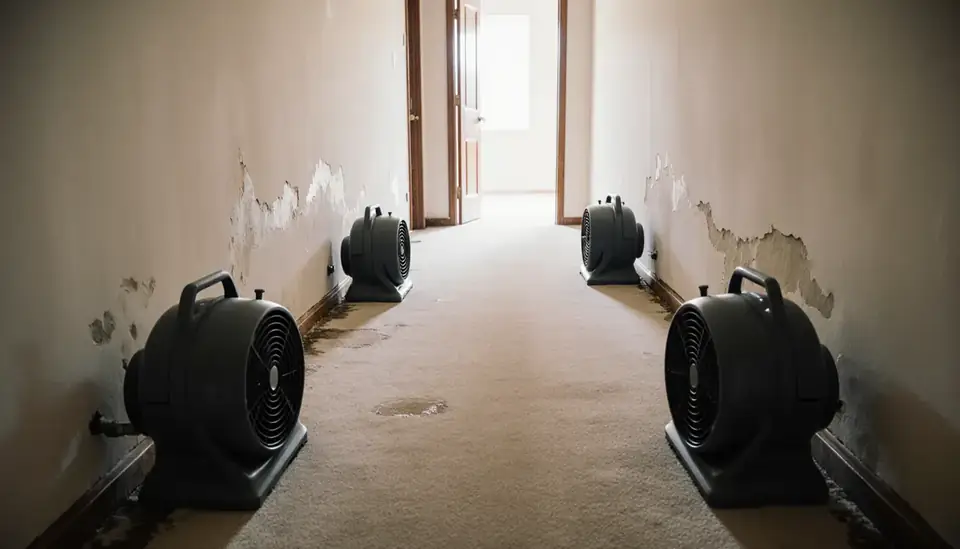
A provider handling water extraction will pump out standing water, measure moisture inside walls and subfloors, and set dehumidifiers and air movers. Drying typically takes several days, and readings should confirm framing is dry before anything is closed back up. Remember that a standard homeowners or renters policy does not cover rising floodwater; that requires separate flood insurance, and you can check your address on FEMA's flood maps.
Muggy Julys and Mold in Hackensack Basements
July in Hackensack averages highs in the mid-80s with plenty of moisture in the air, and basements here stay damp even without a leak. After water gets in, mold can begin growing on drywall paper, carpet backing and stored cardboard within a couple of days. Moving quickly on drying matters more than any spray. If you smell mustiness or see spotting after a past leak, a mold remediation provider can find the moisture source, contain the area and remove affected materials.
Neighborhoods and Nearby Communities
Calls come in from across Hackensack, including:
- Fairmount
- Red Hill
- Cherry Hill
- North Hackensack
- Prospect Avenue
- Downtown Hackensack
The same line also serves nearby communities such as:
- Teaneck
- River Edge
- Bogota
- Little Ferry
- Lodi
- Maywood
- Paramus
- Ridgefield Park
Frequently Asked Questions
Is Hackensack at risk of flooding from the Hackensack River?
The river is tidal along the city's western edge, so low-lying land near it can be affected when heavy rain lines up with a high tide or a coastal storm pushes water up from Newark Bay. Most of the city sits higher, and the more common problem is stormwater and sewer backup in basements during intense downpours. Check your exact address on FEMA's Flood Map Service Center.
Water came through my apartment ceiling from the unit above. Who pays?
It depends on the source and your building's documents. Common pipes and building systems are usually the landlord's or association's responsibility, while a leak from a neighbor's appliance may fall to that unit's owner. Tenants generally need renters insurance for their own belongings. Notify management in writing, take photos, and keep receipts for any emergency expenses.
How did Tropical Storm Irene affect Bergen County?
Irene in August 2011 was one of the costliest flood events for northern New Jersey. Bergen and Passaic were the hardest-hit counties in the state, each with more than 4,000 flood insurance claims. It is a reminder that inland Bergen County towns, not just the shore, see serious flooding when a tropical system stalls overhead.
Who can I call for flood cleanup in Hackensack at night?
Our line at (888) 317-9980 is answered around the clock. We connect you with independent restoration providers that serve Hackensack, many of which offer emergency service. Meanwhile, shut off water or power if it is safe, move valuables up and out of the water, and photograph the damage for your insurer.