
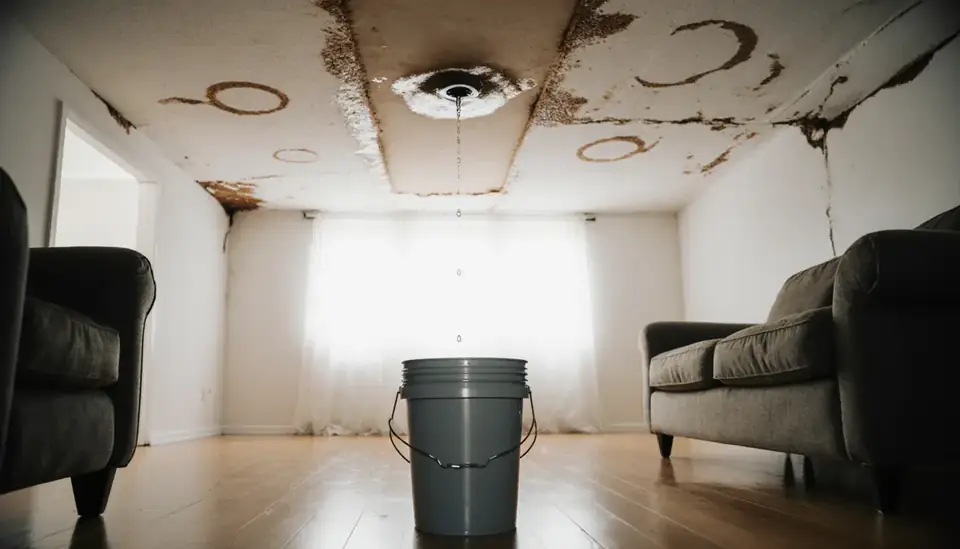
Sandy put water more than five feet deep into parts of Poughkeepsie in October 2012, damaging homes and businesses along the Hudson far up the valley from New York Harbor. That surprises people who think of the city as an inland river town, but the Hudson here is a tidal estuary, and coastal storms reach it. Behind the waterfront, the city climbs into dense nineteenth century neighborhoods, the Main Street corridor and blocks of older multifamily buildings, where most water calls start with plumbing, roofs, radiators and basements rather than the river.
The Restoration Job is a free connection line for people dealing with water damage, not a contractor. Call (888) 317-9980 at any hour and we'll connect you with an independent restoration provider that serves Poughkeepsie and the surrounding Dutchess County towns.
How the call works: when you call (888) 317-9980, The Restoration Job connects you with an independent restoration provider that serves Poughkeepsie. That provider inspects the damage, explains the scope and quotes the work. The Restoration Job doesn't perform restoration itself. Read our referral disclosure.
Tidal Hudson Flooding Below the Walkway
The river rises and falls with the tides at Poughkeepsie, and in dry years the salt front can push as far north as the city. When a coastal storm lines up with high tide, water backs up into riverside parks, streets and buildings near the Upper Landing and the old waterfront. The National Weather Service recorded minor tidal flooding near the city in January 2010, and Sandy's surge in 2012 was far worse. Buildings close to the river should be treated as flood-exposed even though they sit well inland.
Floodwater from the Hudson is brackish at times and always carries silt and debris, so drywall, insulation and flooring it reaches generally need to be removed, and the remaining structure cleaned and dried. A provider that handles flood cleanup can manage removal and sanitizing before drying begins.
The Fall Kill and Cloudbursts in a Paved City
The Fall Kill flows south through the town and city to the Hudson, and about two and a half miles of it were channelized with stone walls during the Great Depression. In a dense, mostly paved city, intense summer storms send runoff into the creek and storm drains faster than they can carry it. Dutchess County has a record of these events: Bertha dropped five to seven inches of rain on the region in July 1996, bringing flash flooding and states of emergency, and the remnants of Tropical Storm Tammy in October 2005 brought moderate to major flooding to the county. Water that enters basements during these storms often comes up through floor drains, which means sewer contamination is possible.

Union Street, Academy Street and Leaks That Travel Between Floors
Poughkeepsie has a large stock of older housing. The Union Street Historic District covers the oldest section of the city, Academy Street was its first planned neighborhood with many Victorian-era homes, and Garfield Place and Mill Street-North Clover Street preserve mid-nineteenth century houses. In buildings like these, a single leak travels: a failed supply line or radiator valve on the third floor can damage ceilings and walls on every floor below, and party walls carry moisture into the next house.
- Shut off water at the fixture, the unit, or the building main
- Warn neighbors and tenants below and next door
- Photograph ceilings, walls and belongings before anything is moved
- Keep receipts for any emergency work for the insurance claim
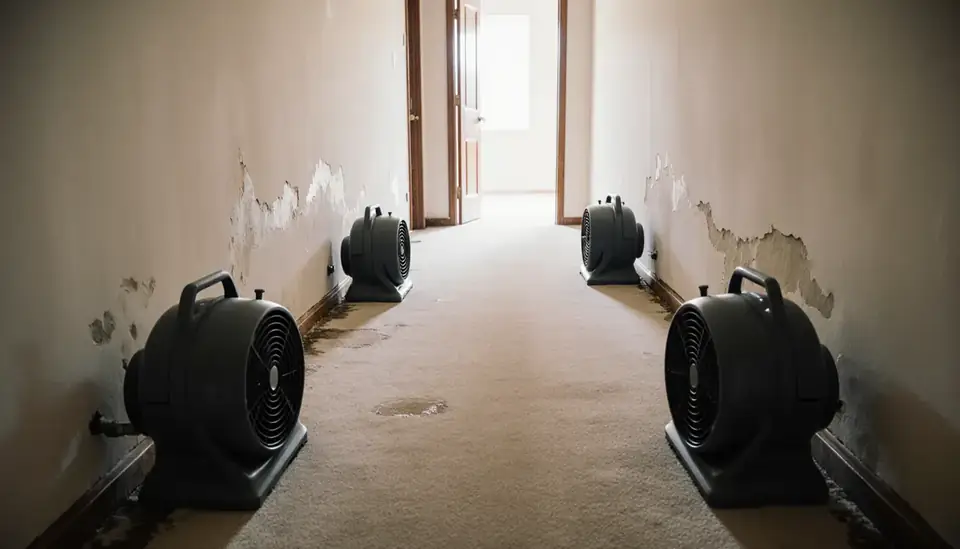
For plaster walls and old wood floors, structural drying guided by moisture readings can save materials that a quick tear-out would discard.
Cold Winters, Radiators and Burst Pipes
The city has recorded temperatures as low as 30 below zero. Older buildings with steam or hot water heat lose pipes in exterior walls, unheated stairwells and vacant units during long cold snaps, and the leaks often show up only after the thaw. Shut the water off promptly, open faucets to drain the system, and do not run electrical appliances in standing water. Have someone check vacant apartments and storefronts regularly through the winter.
Mold in Basements and Shared Walls
With about 44 inches of precipitation a year and humid summers, basements and lower floors in the city stay damp. After a leak, mold can begin in the wall cavity, under flooring or on stored items within a couple of days. In multifamily buildings, growth in one unit can be hidden behind a shared wall. Drying the structure thoroughly and removing wet porous materials is the prevention; for established growth, a mold remediation provider can set up containment and remove affected materials.
Poughkeepsie Neighborhoods and Surrounding Towns
Calls come in from across Poughkeepsie, including:
- Union Street Historic District
- Academy Street Historic District
- Garfield Place
- Mill Street-North Clover Street
- Balding Avenue
- Main Mall
- Upper Landing
The same line also serves nearby communities such as:
- Town of Poughkeepsie
- Hyde Park
- LaGrange
- Wappingers Falls
- Highland
- Beacon
Questions From Poughkeepsie Property Owners
Can the Hudson really flood Poughkeepsie when the ocean is so far away?
Yes. The Hudson is a tidal estuary up to Troy, so coastal storms raise its level here. Sandy pushed water more than five feet deep into parts of the city in 2012, and smaller tidal floods also happen. Properties near the waterfront should check the FEMA flood map and consider a flood policy, since homeowners insurance does not cover rising river water.
Storm water bubbled out of the floor drain in my Poughkeepsie basement. Can I clean it up myself?
Water from a floor drain during heavy rain may contain sewage. Wear gloves and boots, keep children and pets away, and avoid contact with skin. Contaminated carpet, drywall and boxes usually need to be discarded. For anything beyond a small area, a provider that handles sewage cleanup can remove affected materials and disinfect the space properly.
A leak in the apartment above damaged my unit. Who arranges the drying?
In most leases, the building owner handles the structure and you handle your belongings through a renters policy. Report the leak to the landlord in writing, take dated photos and notify your insurer. If the owner needs a restoration provider, calling (888) 317-9980 connects them with an independent company serving Dutchess County.
Where can I get flood and storm alerts for Poughkeepsie?
Dutchess County's Department of Emergency Response offers the Ready Dutchess app for weather and emergency alerts, and the National Weather Service office in Albany issues flood watches and warnings for the county. Signing up before storm season gives you time to move valuables and equipment off basement floors.