
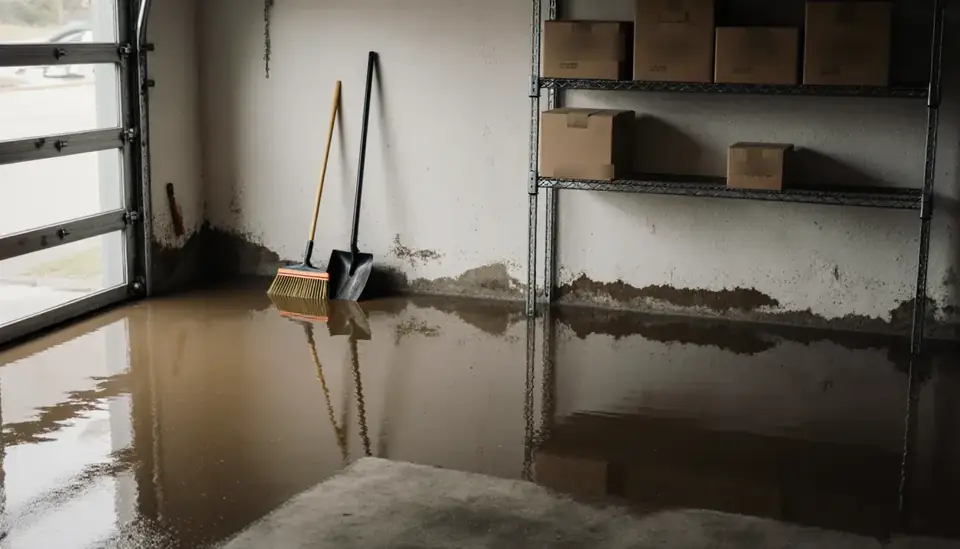
Esopus Creek finishes its run from the Catskills at Saugerties, dropping through the village and meeting the Hudson at the Saugerties Lighthouse only a few feet above sea level. The settlement took its name from an early Dutch sawmill, and later paper mills, iron works and bluestone quarries built up the village and the hamlets around it. Today the town stretches from river hamlets like Glasco and Malden-on-Hudson west to the edge of the Catskill Park, so water damage here ranges from creek and river flooding to snowmelt, ice and old plumbing in hillside houses.
The Restoration Job connects callers with independent providers and does not do the work itself. Call (888) 317-9980 any hour to reach a restoration provider that serves Saugerties and the surrounding Ulster County hamlets.
How the call works: when you call (888) 317-9980, The Restoration Job connects you with an independent restoration provider that serves Saugerties. That provider inspects the damage, explains the scope and quotes the work. The Restoration Job doesn't perform restoration itself. Read our referral disclosure.
The Lower Esopus: Where Catskill Rain Ends Up
The Esopus drains a large swath of the eastern Catskills, is held back by the Ashokan Reservoir at Olive Bridge, and then winds past the outskirts of Kingston before picking up Plattekill Creek near the town line and reaching the village. When heavy rain falls in the mountains, that water arrives here hours later. Irene in August 2011 dropped up to 18 inches of rain in parts of the Catskills and pushed the creek to its highest discharge on record, about 75,800 cubic feet per second. An April 2005 storm and the 1955 remnants of Connie and Diane are also among the floods the region remembers.
Properties on low ground near the creek, along with basements in the older part of the village, take the brunt. Creek floods carry heavy silt; after the 2010 storms, the city of New York released billions of gallons of muddy water from the reservoir into the lower Esopus, which gives a sense of how much sediment moves through this channel.
Hudson River Tides Below the Saugerties Lighthouse
The Hudson is tidal past Saugerties all the way to Troy, so its level here follows the tides and responds to coastal storms. Sandy's surge in October 2012 pushed water into parts of the Hudson Valley more than 100 miles upstream of New York City and left about 63,000 people in Ulster and Dutchess counties without power. River-edge homes in the village, Malden-on-Hudson and Glasco can see high water from a coastal storm even on a day when local rain is modest, and a creek flood that coincides with a high tide drains more slowly.

Old Village Houses, Hillside Homes and Cold Winters
The Main-Partition Streets Historic District and the stone Kiersted House, built in 1727, give a sense of how old the village's building stock runs. Older houses often have stone foundations, plaster walls and plumbing that has been modified many times. Out in the hamlets, some homes rely on wells, have basements cut into hillsides, or sit on crawl spaces, and they deal with frozen pipes and snowmelt seeping in along foundation walls during thaws.
- Shut the main valve or the well pump if a pipe bursts
- Keep heat on in unoccupied seasonal homes and have someone check them during cold spells
- Clear snow away from foundation walls and basement window wells before a thaw
- Photograph damage before cleanup for your insurer
Flood Cleanup and Drying After Creek or River Water
Floodwater from the Esopus or the Hudson is treated as contaminated. Mud and silt should be removed first, then wet drywall, insulation, carpet and padding are generally cut out and discarded. Solid wood and plaster can sometimes be dried in place, but only with steady monitoring. A flood cleanup provider can handle the removal and sanitizing, and structural drying with dehumidifiers and air movers brings framing and subfloors back to normal moisture levels. Ask for written moisture readings, which help with both insurance and resale.
Keeping Mold Out of Creekside Basements and Seasonal Homes
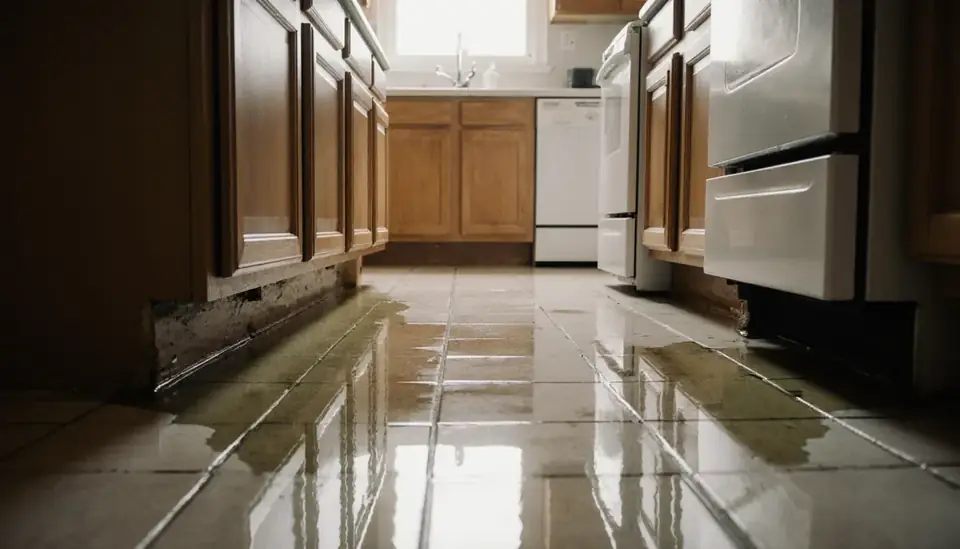
Summer humidity in the Hudson Valley settles into basements and crawl spaces near the river and creek. After a flood, damp silt and wet framing can grow mold within a few days, and seasonal homes left closed up are especially vulnerable. Removing wet porous materials quickly, running dehumidifiers and keeping air moving are the main defenses. If mold has already appeared over a large area, containment and careful removal by a mold remediation provider keeps spores from spreading to the rest of the house.
Neighborhoods and Nearby Communities
Calls come in from across Saugerties, including:
- Village of Saugerties
- Glasco
- Malden-on-Hudson
- West Saugerties
- Saugerties South
- Katsbaan
The same line also serves nearby communities such as:
- Kingston
- Lake Katrine
- Woodstock
- Hurley
Questions From Saugerties Property Owners
How much warning is there before the Esopus floods in Saugerties?
Some, but not much. Rain in the Catskills takes a while to reach the lower creek, so the peak at Saugerties often comes hours after the heaviest rain upstream. The National Weather Service office in Albany issues flood watches and warnings for the area, and Ulster County pushes alerts through NY-Alert. Move valuables and utilities off basement floors when a watch is issued.
My seasonal house in the hamlets had a pipe burst while it was empty. What should I check?
Water may have run for days, so check every level: ceilings and walls below the break, the basement or crawl space, and under flooring. Shut the water off, photograph everything, and contact your insurer promptly, since some policies have conditions about heat in unoccupied homes. A provider can locate hidden moisture and dry the structure before mold sets in.
Is damage from high water on the Hudson covered like a burst pipe?
No. Rising water from the Hudson or Esopus Creek is flood, which standard homeowners policies exclude. You need a separate flood policy for that. Sudden plumbing leaks are typically handled under the homeowners policy instead. Check the FEMA flood map for your address and talk with your agent about coverage before storm season.