
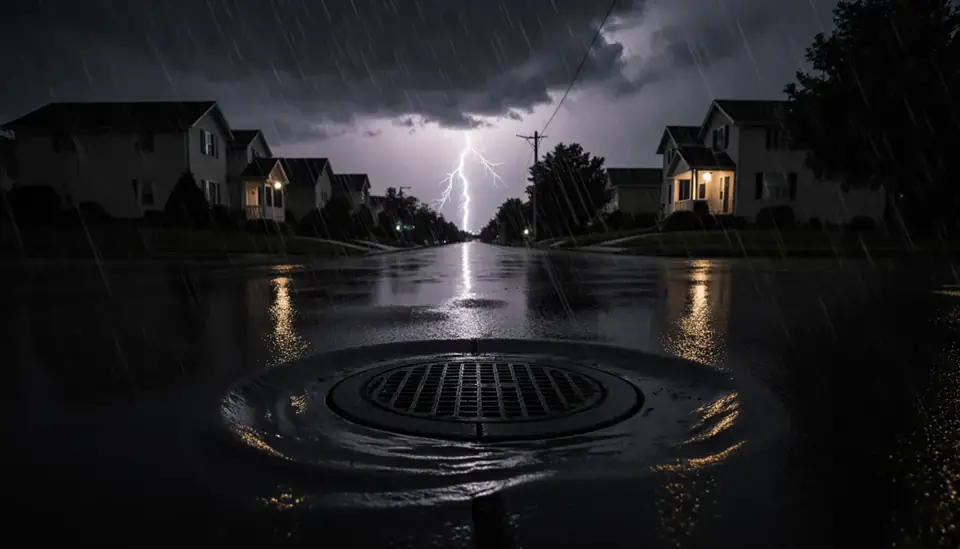
New York's westernmost city faces Lake Erie head-on. Dunkirk wraps around Chadwick Bay, 45 miles southwest of Buffalo, and its shore takes the full force of a shallow lake that can swing from calm to violent within hours. The city reports waves as high as 30 feet and seiches that lift the water 6 to 8 feet in a matter of hours, enough to overtop the shore and flood Lake Front Boulevard.
The Restoration Job works purely as a free connection service, with no crews of its own. Call (888) 317-9980 any time and we'll connect you with an independent restoration provider that serves Dunkirk, Fredonia and the northern Chautauqua County shoreline.
How the call works: when you call (888) 317-9980, The Restoration Job connects you with an independent restoration provider that serves Dunkirk. That provider inspects the damage, explains the scope and quotes the work. The Restoration Job doesn't perform restoration itself. Read our referral disclosure.
Seiches and Wave Overtopping on Chadwick Bay
Lake Erie averages only about 62 feet deep, the shallowest of the Great Lakes. A strong, sustained wind can pile water toward one end of the lake, and the water sloshes back when the wind eases. During a November 2003 storm the lake rose 7 feet at Buffalo. Dunkirk's own shoreline studies describe seiche events of 6 to 8 feet arriving in hours, combined with large waves that throw water over the shore.
Erosion is part of the same story. The city estimates it has lost around 25 feet of shoreline in six years, and buried wastewater treatment plant infrastructure in the bluff is starting to be exposed. The city has partnered on a project to protect Wright Park Beach and the Lake Front Boulevard shoreline. For homeowners near the water, wind-driven flooding, spray and debris are real risks during fall and winter gales, and storm damage cleanup often means dealing with broken windows, roof damage and water at the same time.
Wind, Ice and Winter Leaks in an Older Lakeside City
Dunkirk grew as a railroad and industrial town; the Brooks Locomotive Works, founded here in 1869, built nearly 4,000 steam locomotives. Older houses in a city with that history often have aging roofs, plaster interiors, masonry basement walls and plumbing routed through exterior walls. The record low here is 28 below zero, and Lake Erie is usually the first Great Lake to freeze.
Common winter problems include:
- pipes bursting in exterior walls, enclosed porches and crawl spaces during hard freezes
- ice dams and wind-driven snow forcing water under shingles and flashing
- meltwater collecting against foundations after a thaw
- power outages from windstorms that stop sump pumps
A water damage restoration provider can remove standing water, open up wet cavities and dry the structure with heat and dehumidifiers so cold weather doesn't stall the drying.

Creeks, Stormwater and Basement Water
Canadaway Creek reaches Lake Erie in Dunkirk after flowing down from Fredonia, and the Hyde Creek outfall carries stormwater into Chadwick Bay. During heavy rain or a fast snowmelt, low spots and basements near drainage paths can collect water, and older sewer laterals may let water back up through floor drains. Water that came up from a drain or from outside should be treated as contaminated: wet carpet, insulation and drywall it soaked are usually removed rather than dried, and surfaces need cleaning and disinfection before rebuilding.
Keeping Mold Out After a Lake-Shore Leak
Humid air off the lake in summer and cold, damp basements in winter give mold plenty of chances. It usually begins within a couple of days on materials that stayed wet, such as drywall, ceiling tiles, wood trim and cardboard. Fast drying prevents most of it. If growth covers more than a small patch, hire a remediation contractor that works under New York's state mold program, which requires the assessor and the remediation company to be separate. Fix the leak or drainage problem first; otherwise the growth returns.

Permits, Paperwork and Insurance
Repairs beyond cosmetic work may need a permit from the city's Building and Zoning Department, which handles permits, inspections and code enforcement. Photograph damage before cleanup and keep a list of removed materials. Wind damage to a roof is usually a homeowners claim, while lake or surface flooding requires separate flood insurance. Check your property on FEMA's flood map, and see our New York service area page for statewide context. Jamestown, at the other end of the county, deals with a very different, snow-driven pattern.
Where Callers in the Dunkirk Area Are
The same line also serves nearby communities such as:
- Fredonia
- Silver Creek
- Brocton
- Westfield
- Cassadaga
Common Questions
What is a seiche, and can it flood property in Dunkirk?
A seiche is a rise in lake level driven by strong, persistent wind that pushes water toward one shore. Because Lake Erie is shallow, the effect can be large. Dunkirk's shoreline project describes seiche events that raise water 6 to 8 feet in hours, with waves overtopping the shore and flooding Lake Front Boulevard. Low lakefront properties can take on water during these events.
Is damage from Lake Erie waves covered by my homeowners policy?
It depends on the cause. Wind tearing off shingles or breaking a window is usually a homeowners claim. Rising lake water or wave overwash entering the house is generally treated as flooding, which standard policies exclude and a separate flood policy covers. Photograph everything and describe how the water entered when you report the loss.
Do I need a city permit for repairs after water damage?
Drying and cleanup alone usually doesn't, but structural, electrical, plumbing or roofing repairs may. Dunkirk's Building and Zoning Department at 342 Central Avenue handles permits and inspections, so call them before rebuilding walls or replacing a roof, and ask your contractor to confirm what is required.