
Three bodies of water frame this town: Lake Ontario along the north, the Genesee River on the west and Irondequoit Bay on the east, where the bay narrows to its outlet at Sea Breeze. More than a tenth of the town's area is water. Most of the land between those edges filled in quickly after World War II, when the population more than doubled from about 23,000 in 1940 to over 55,000 by 1960, so the typical home is a mid-century house on a basement that has now seen sixty or seventy winters.
The Restoration Job is a free call-connection service; it does not employ crews or perform repairs. Call (888) 317-9980 and we'll connect you with an independent restoration provider that works in Irondequoit, for anything from a split pipe in a postwar house to lake water near the bay.
How the call works: when you call (888) 317-9980, The Restoration Job connects you with an independent restoration provider that serves Irondequoit. That provider inspects the damage, explains the scope and quotes the work. The Restoration Job doesn't perform restoration itself. Read our referral disclosure.
Where Bay, Lake and Creek Water Comes From
Irondequoit Bay is about four miles long and 73 feet deep at its deepest point, fed from the south by Irondequoit Creek and Densmore Creek and draining north into Lake Ontario. The NWS gauge on Irondequoit Creek recorded its highest listed crest, just under 10 feet, on January 8, 1998. Along the lake, record high water in 2017 and again in 2019 put pressure on shoreline lots across the south shore, and the bay's water level rises and falls with the lake.
Homes on the bluffs or set back on higher ground rarely see surface flooding. Surface flooding risk is greatest on low lots near the shoreline, around the Sea Breeze inlet and along the creek corridors. If your property is in one of those spots, check FEMA's flood map and keep in mind that flood damage needs its own policy.
Mid-Century Basements: Seepage, Sumps and Old Drain Lines
For most households here, water damage comes from inside the house or up through the foundation. Postwar block and poured basements develop cracks, the clay tile or cast-iron lines leaving the house age, and finished rec rooms put carpet and paneling right where seepage shows up first. The most common scenarios:
- Snowmelt and spring rain saturating the soil, with water entering at the cove joint where wall meets floor.
- A sump pump that fails, often during a power outage in a storm.
- A sewer lateral that backs up through the floor drain during a heavy downpour.
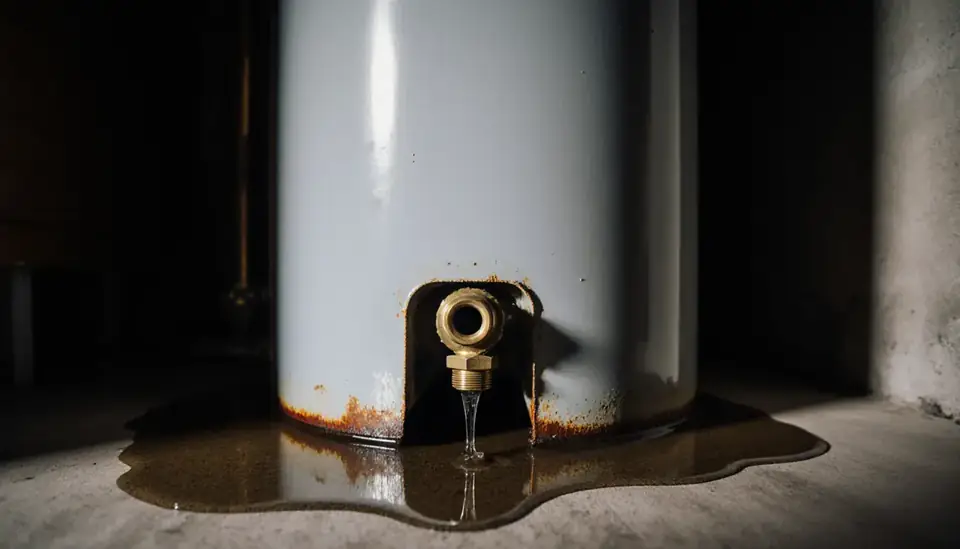
- A water heater or washer hose that fails in an unfinished corner nobody checks.
When a broken supply line is caught early, carpet, pad and walls can frequently be saved by fast extraction and drying. Water from the floor drain is a different matter and needs sewage cleanup practices: protective gear, removal of porous materials and disinfection.
Winter Along the Lake: Ice Dams and Frozen Lines
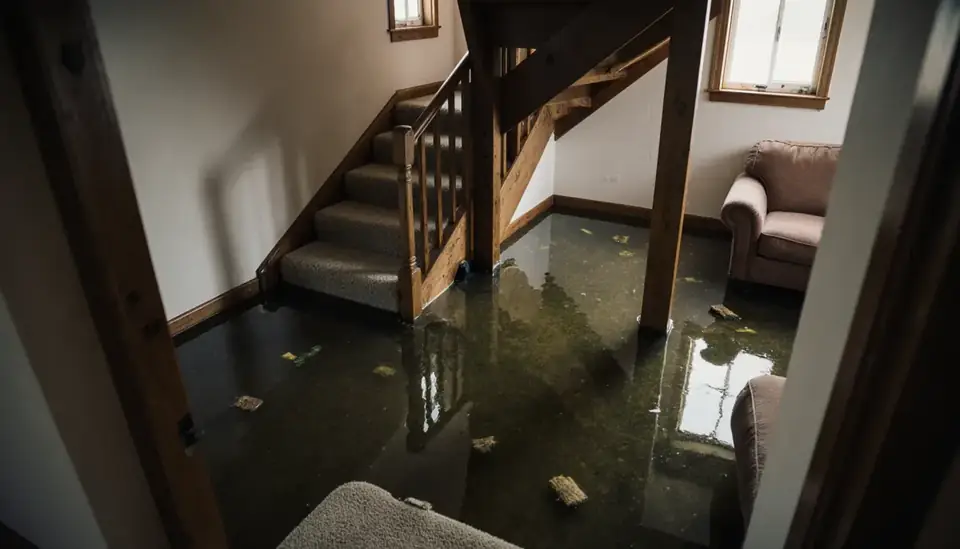
The Rochester area averages about 100 inches of snow a year, and long cold stretches are normal from December into March. Two problems follow. Ice dams build along the eaves of older houses with limited attic insulation and force meltwater back under the shingles, so a ceiling stain appears days after a storm has passed. Pipes in exterior walls, crawl spaces under additions and unheated garages freeze, and the leak often starts only when the line thaws.
Once the source is stopped, a restoration crew will open affected ceilings or wall cavities as needed, extract water, and set up drying equipment. In a house with plaster walls or hardwood floors, careful water damage repair usually begins with drying what can be saved instead of tearing everything out.
Basement Mold After a Wet Spring
Cool lake air keeps many basements in town damp from April through September. After seepage or a leak, mold tends to start on paneling, drywall backing, carpet pad and anything stored in cardboard against the foundation wall. Run a dehumidifier, keep storage on shelving, and replace wet materials rather than drying and reusing them when they've been soaked for more than a day or two. Widespread growth should be handled by a remediation firm that follows New York's mold program requirements.

Calling for Help and Keeping Records
Write down when you found the water, take photos and video before anything is moved, and keep damaged items until the adjuster has seen them or approved disposal. Sign up for MonroeAlert through the county's emergency management office for weather and emergency notices. When the work is bigger than a mop and a fan, you can call the 24/7 line and be connected with a company that serves the town and nearby communities such as Webster and Rochester.
Irondequoit Neighborhoods and Surrounding Towns
Calls come in from across Irondequoit, including:
- Sea Breeze
The same line also serves nearby communities such as:
Irondequoit Water Damage Questions
My house is near Irondequoit Bay. Is it at risk when Lake Ontario is high?
It can be, if the lot is low. The bay drains into the lake at its north end, so bay levels follow the lake. In the record high-water years of 2017 and 2019, low shoreline properties around the south shore saw flooding and erosion. Homes on higher ground above the bay are far less exposed. Check FEMA's flood map for your address and ask your agent about flood coverage, which is separate from a homeowners policy.
Why does my basement only leak in March and April?
That is when snowmelt and spring rain saturate the soil around the foundation while the ground below may still be frozen, so water has nowhere to go but sideways into the basement. Extending downspouts several feet from the house, keeping the grade sloped away and testing the sump pump before thaw season all help. Persistent seepage through cracks may need a foundation contractor, while the water already inside should be extracted and dried quickly.
Is a backup through the floor drain covered by insurance?
Often not unless you added sewer or water backup coverage to your homeowners policy, and flood insurance generally doesn't cover it either unless a general flood caused it. Read your declarations page and call your agent. Either way, treat the water as contaminated, photograph everything, and keep receipts for cleanup, since a claim may depend on that documentation.