
Lackawanna grew up around a steel mill. The Lackawanna Steel Company picked an empty stretch of Lake Erie shoreline in 1899, began building in 1900 and started a company town for its workers the following year. Bethlehem Steel later ran the plant until it announced the closure in 1982, and today wind turbines turn on the old slag heaps while the former mill site still occupies most of the city's lakefront. Inland, Ridge Road and Abbott Road are the main routes through a residential city of roughly 20,000 people.
The Restoration Job is a free phone referral service and does not perform cleanup itself. Call (888) 317-9980 any time and we'll connect you with an independent restoration provider that serves Lackawanna, whether the problem started with a frozen pipe, a roof that gave way under snow or a basement that took on water after a storm.
How the call works: when you call (888) 317-9980, The Restoration Job connects you with an independent restoration provider that serves Lackawanna. That provider inspects the damage, explains the scope and quotes the work. The Restoration Job doesn't perform restoration itself. Read our referral disclosure.
In the Path of the Southtowns Snow Bands
The city sits just north of the area that took the worst of the November 17 to 20, 2022 lake-effect storm. Neighboring Blasdell measured about 65 inches and Hamburg 81.2 inches in those few days. Then, around Christmas, a blizzard brought 79 mph winds at Buffalo, cut electricity to roughly 108,000 Buffalo-Niagara customers and claimed 41 lives across Erie County.
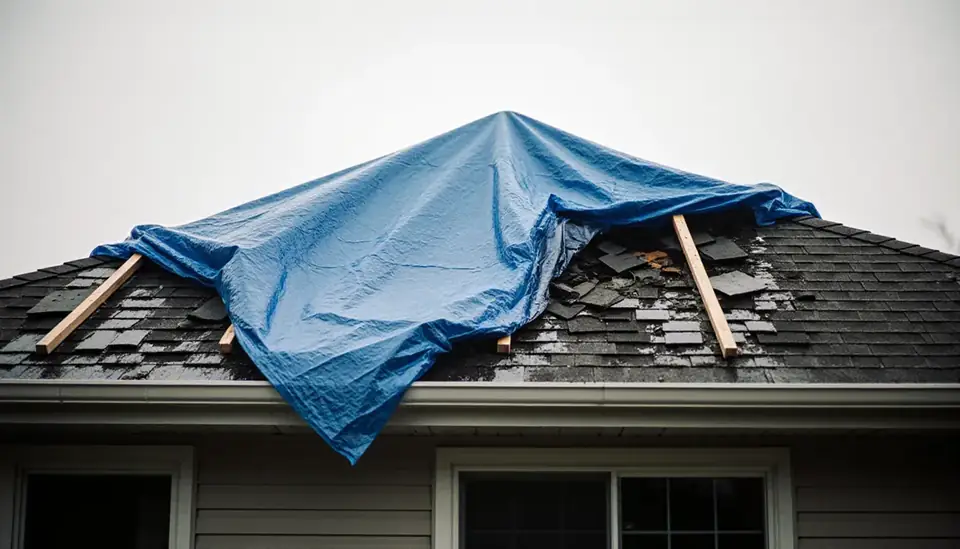
Back-to-back storms like these damage houses in layers. Heavy, wet snow strains older roofs and porch overhangs, ice dams send meltwater under shingles, and power outages leave plumbing in exterior walls to freeze. If a roof or porch is visibly sagging, stay out from under it and have a provider handling storm damage cleanup look at it before anyone climbs up to shovel.
Lake Erie Wind and Smokes Creek
Lake Erie's eastern end is where strong southwest winds pile up water. A November 2003 storm lifted the water at the Buffalo gauge, a few miles north, by roughly 7 feet, and waves of 10 to 15 feet ran on top of that. Much of the city's own frontage is the former steel property rather than homes, so the direct lakeshore exposure for residents is limited, but the same wind drives rain sideways into siding, windows and chimney flashing.
Smokes Creek, named for the Seneca chief Sayenqueraghta, known as Old Smoke, runs across the city before emptying into the lake. Like other small creeks in the county, it can rise fast after a downpour or a quick thaw. Properties near the creek should be checked on FEMA's flood maps, and owners should know that creek flooding is covered only by flood insurance, never by a standard homeowners policy.
Older Houses, Basements and the Order of Operations
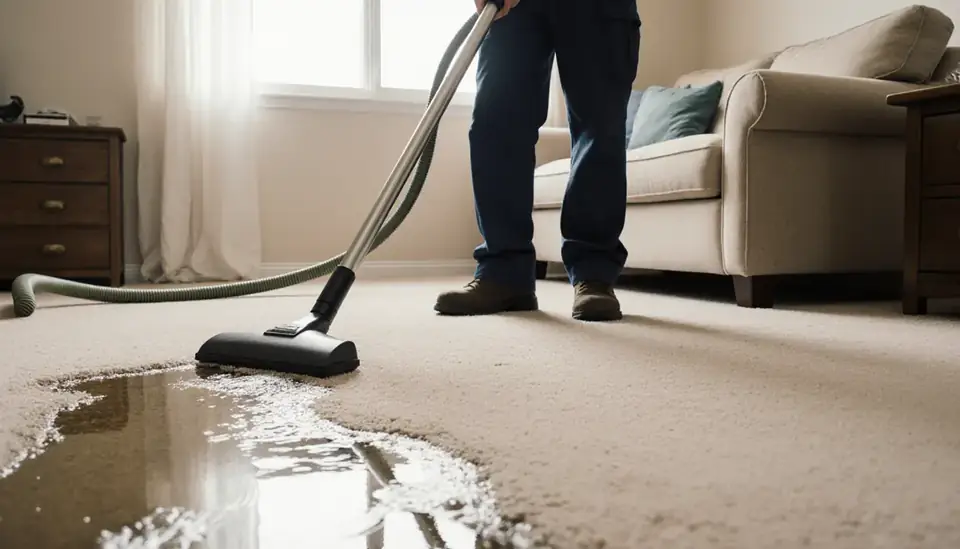
Plenty of homes here are decades old, and aging plumbing, sewer laterals and foundations give water more ways in. When water gets in, the sequence matters:
- Shut off the water main or the breaker for a flooded area, if you can do it safely.
- Photograph the damage and the source before anything is moved or thrown out.
- Get standing water out quickly with water extraction equipment; a household wet vac is too slow for more than a small spill.
- Remove wet carpet, padding and the lower part of soaked drywall so the structure can dry.
- Keep dehumidifiers running until moisture readings are back to normal.
Water that came up through a floor drain or toilet is contaminated and calls for cleaning and disinfection, not just drying.
Keeping Mold Out After the Thaw
Spring brings a second round of trouble: snowmelt soaking into foundations and basement walls that stay damp for weeks. Add the muggy weeks of a Western New York summer and a basement with wet framing or stored cardboard can grow mold in a matter of days. A musty smell, staining on drywall paper or fuzzy growth on wood are the signs to watch.
A few small spots on tile or concrete are a household cleaning job. Larger growth, or mold that keeps coming back, usually means moisture is still getting in and that contaminated material needs to come out under containment, which is the work of a mold remediation provider. Fix the water source first, or the mold returns.
City Alerts and Who to Call
The city's public safety department runs a CivicReady mass notification system, and signing up is the simplest way to hear about emergencies and street closures during a storm. Forecasters at the National Weather Service's Buffalo office put out the snow-band and lakeshore warnings that matter most here. For damage to the house itself, contact your insurer early, keep receipts for emergency work and, if you rent, notify the landlord in writing. Providers serving Lackawanna often cover West Seneca and Hamburg as well, so they may be busy after a regional storm.
Areas In and Around Lackawanna
The same line also serves nearby communities such as:
- Buffalo
- West Seneca
- Hamburg
- Blasdell
- Orchard Park
Lackawanna Water Damage Questions
Snow is piling up on our roof in Lackawanna. When should we worry?
Watch for doors that suddenly stick, new cracks in interior plaster or drywall, sagging ceilings or creaking from the attic, which can mean the structure is under strain. Wet, heavy lake-effect snow weighs far more than dry powder. Don't climb onto a loaded roof yourself; a roof rake from the ground or a professional is safer, and leaks from ice dams should be addressed as soon as they appear.
Does insurance cover water from Smokes Creek?
Flooding from a creek, or any rising surface water, is excluded from standard homeowners and renters policies. It is covered only under a separate flood insurance policy, which usually has a waiting period before it takes effect. Sudden internal leaks such as a burst pipe are handled differently, so call your agent to confirm what applies before cleanup removes the evidence.
How do I hear about storm emergencies in the city?
The City of Lackawanna uses a CivicReady notification system through its public safety department; sign up on the city website. For the weather side, the NWS Buffalo forecast office posts lake-effect and lakeshore flood alerts covering the city.