

Millions of visitors come to see the water going over the falls. For people who live in the city, the water problems are quieter and closer to home: a supply line that froze during a January cold snap, a floor drain pushing up sewage during a downpour, or meltwater finding a gap in an old roof. The city averages about 72 inches of snow a year, much of it in January and February, and its housing was built for a population that has since fallen by more than half.
The Restoration Job is a free call-connection line and has no technicians of its own. Call (888) 317-9980 day or night and we'll connect you with an independent restoration provider that serves Niagara Falls and the surrounding Niagara County towns.
How the call works: when you call (888) 317-9980, The Restoration Job connects you with an independent restoration provider that serves Niagara Falls. That provider inspects the damage, explains the scope and quotes the work. The Restoration Job doesn't perform restoration itself. Read our referral disclosure.
Blizzards, Travel Bans and Frozen Plumbing
The storm of December 21 to 26, 2022, is the recent benchmark. Niagara Falls recorded close to 19 inches of snow and the city imposed a travel ban on the morning of December 23, while Buffalo endured 37.5 hours of continuous blizzard conditions and 79 mph gusts. Storms like that cause water damage in two waves: furnaces fail or power drops and pipes freeze during the storm, then the lines split open and leak once the house warms up.
To limit the damage when a pipe gives way, know where your main shutoff is before winter, keep cabinet doors open on exterior walls during deep cold, and leave the heat on in any house that sits empty. After a burst, quick water extraction keeps water from spreading through floor cavities into the ceiling below.
Vacant Houses and Older Housing Stock
Niagara Falls had more than 102,000 residents in 1960 and about 48,000 in 2020. Census figures show about 14 percent of the city's roughly 25,500 housing units were vacant in 2020. That matters for water damage in a few ways:
- A pipe can burst in an empty unit or neighboring house and run for days before anyone notices.
- Many homes in older areas such as Deveaux, the North End, Hyde Park and LaSalle are decades old, with plumbing, roofs and foundations that have been repaired piecemeal.
- In two-family houses, a leak upstairs often becomes a ceiling and wall problem for the tenant below.
If you own a rental or a seasonal property, have someone check it regularly in winter and consider shutting off and draining the water supply when it is unoccupied.
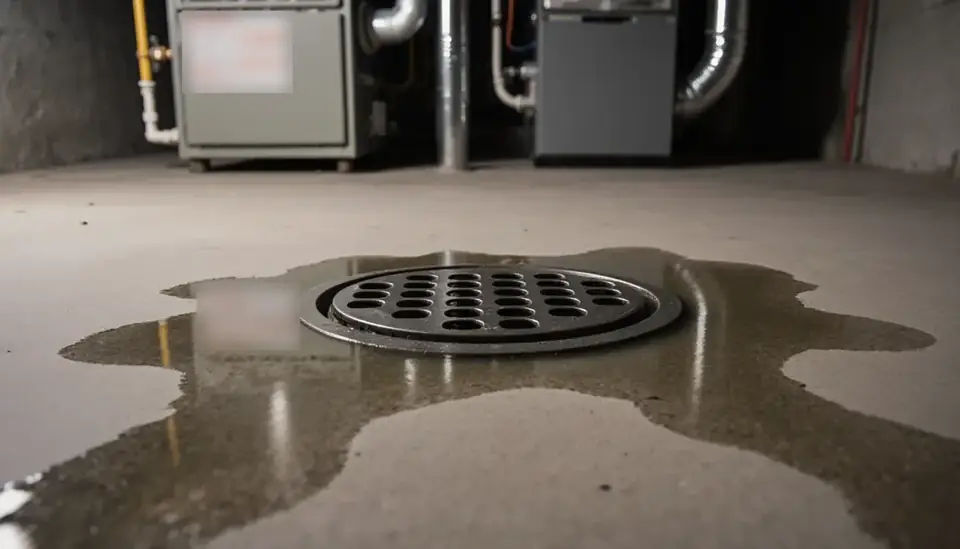
Sewage in the Basement After Heavy Rain
The Niagara Falls Water Board, which runs the city's water and sewer system, posts flood damage information and the state Department of Health's guidelines for cleaning up sewage in a basement. That reflects a common local problem: during intense rain or rapid snowmelt, water can back up through floor drains in older homes.
Sewage backup is a health issue, not just a mess. Keep children and pets away, avoid running the HVAC system if ductwork was affected, and throw out porous items that were soaked, such as carpet, upholstered furniture and cardboard. Professional sewage cleanup involves removing affected materials, disinfecting surfaces and drying the structure fully before repairs. A plumber can tell you whether a backwater valve would help.
Mold in Damp Niagara County Basements
Lake-influenced humidity in summer and long, wet springs keep many local basements on the edge of being damp. After a leak or backup, mold can start within a day or two on drywall paper, paneling, ceiling tiles and stored belongings. Small areas on hard surfaces can usually be cleaned, but larger growth, or any growth following sewage, should go to a contractor working under New York's state mold program, which requires assessment and remediation to be done by separate firms. A dehumidifier in the basement through the warm months is a cheap form of prevention.
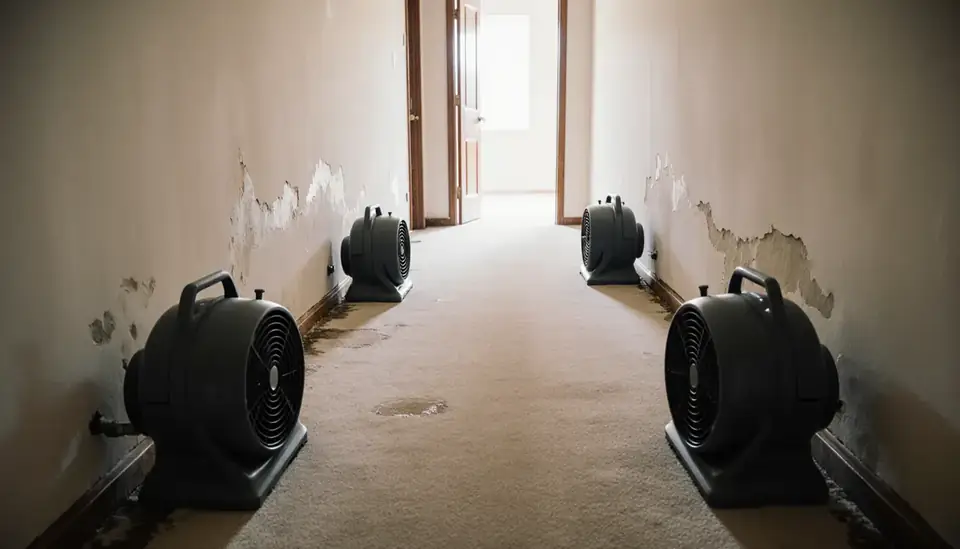
Before the Restoration Crew Arrives
Photograph the damage and the source, shut off water and electricity to affected areas if it is safe, and move valuables to a dry floor. Call your insurer early: a sudden burst pipe is usually a homeowners claim, while surface flooding needs a separate flood policy and sewer backup often requires a specific endorsement. Neighbors in North Tonawanda along the upper Niagara River face somewhat different exposure. For more on statewide risks, see our New York page.
Areas In and Around Niagara Falls
Calls come in from across Niagara Falls, including:
- Downtown
- Deveaux
- Hyde Park
- LaSalle
- Little Italy
- North End
- East Side
- Buffalo Avenue
The same line also serves nearby communities such as:
- Lewiston
- Youngstown
- Niagara University
- Sanborn
- North Tonawanda
- Lockport
Niagara Falls Water Damage Questions
Who do I call about a sewer backup in Niagara Falls?
The Niagara Falls Water Board operates the city's water and sewer system and can be reached at (716) 283-9770 if you suspect a problem in the public line. The Water Board's website also links to state Health Department guidance on cleaning up sewage in a basement. For the cleanup itself, a restoration provider can remove contaminated materials and disinfect and dry the space.
My pipes froze but haven't leaked. What should I do?
Turn off the main water valve before the pipe thaws, since splits often only start leaking once the ice melts. Open faucets, then warm the area gently with a space heater or hair dryer, never an open flame. Watch closely as it thaws and have towels and a bucket ready. If you find a split, leave the water off and call a plumber.
Does homeowners insurance cover water from a sewer backup?
Often not by default. Many homeowners policies exclude sewer and drain backup unless you have added a specific endorsement, and floodwater requires a separate flood policy. A burst supply pipe is more commonly covered. Read your declarations page, document everything with photos before cleanup starts, and ask your agent which coverage applies before discarding damaged items.
Where can I get emergency alerts for Niagara County?
Niagara County's Emergency Services and Fire Coordinator office in Lockport handles emergency management for the county and promotes the Prepare Niagara and NY Alert notification systems. The National Weather Service office in Buffalo issues winter storm, lake-effect and flood warnings for the area.