
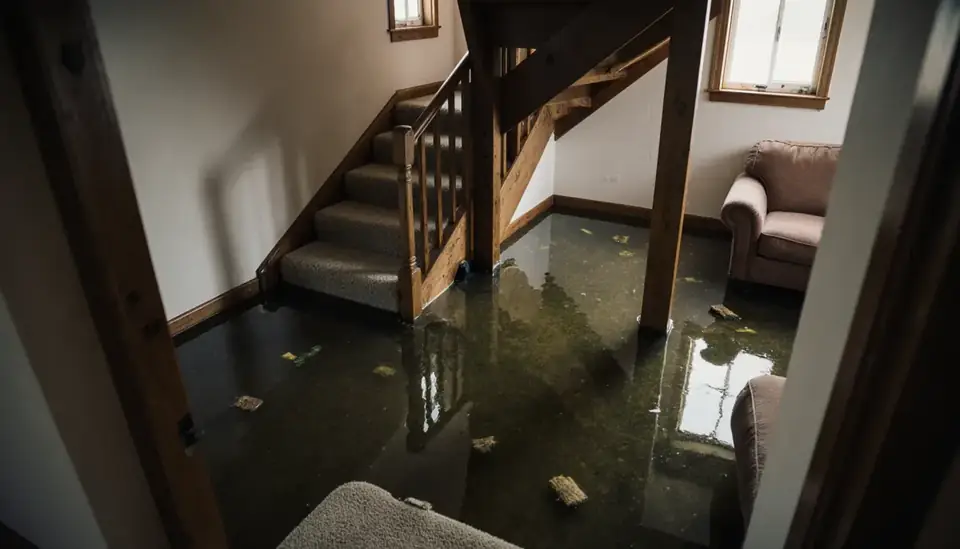
Tonawanda Creek runs north toward the city, then swings west in a broad bend through Batavia, and that bend is where its floods have done the most harm. The National Weather Service gauge here has a flood stage of 9 feet. The highest crests on its list came in a burst between 1947 and 1960, all above 12.7 feet, and the creek has topped 12 feet more recently in February 1985 and January 1998. It came close again in December 2013 and reached 10.9 feet on April 1, 2026, according to preliminary data.
No one from The Restoration Job comes to your door; the service is a free phone referral. Call (888) 317-9980 any time and we'll connect you with an independent provider that serves Batavia and the rest of Genesee County, whether creek water reached your first floor or a frozen pipe let go in an upstairs bathroom.
How the call works: when you call (888) 317-9980, The Restoration Job connects you with an independent restoration provider that serves Batavia. That provider inspects the damage, explains the scope and quotes the work. The Restoration Job doesn't perform restoration itself. Read our referral disclosure.
Reading the Tonawanda Creek Gauge
The weather service ties specific impacts to each level on the Batavia gauge, which makes it a practical tool for anyone living near the creek:
- 9 feet (minor): some flooding in the city, possibly affecting Kibbe Park, Walnut Street and Law Street.
- 10 feet (moderate): flooding along West Main Street and South Main Street.
- 12 feet (major): considerable residential and commercial flooding from the west side of the city through East Pembroke.
Notice the timing of the big crests: March, April, February, January and December. Spring thaws, rain on snowpack and ice are the drivers, and the Tonawanda Creek article on Wikipedia notes that ice jams can make the creek's spring flooding worse and cause property damage. When the river forecast calls for a rise, move belongings and anything electrical out of the basement and off lower floors before the water arrives.
Cold-Season Flooding Changes the Cleanup
Floodwater that arrives in January or March doesn't behave like a summer flash flood. It may stay for days, it can freeze in place, and basements may refill as long as the creek and the water table stay high. Pumping a basement out too fast while the ground outside is still saturated can stress the foundation walls, so many crews pump down in stages.
Once levels fall, flood cleanup follows a standard pattern: remove mud and debris, cut away wet drywall and insulation, clean and disinfect surfaces the floodwater touched, then dry the framing with dehumidifiers and heat. Furnaces, water heaters and electrical panels that were underwater should be checked by the appropriate trade before anyone turns them back on.

Heavy Snow, Frozen Pipes and Older Houses
Away from the creek, winter itself is the main threat. The city averages close to 74 inches of snow a year, and it sits at about 890 feet, well above the lakeshore towns to the north. Long freezes split pipes in exterior walls, unheated porches and crawl spaces, and snow loads plus ice dams push meltwater through roofs. Batavia was settled early, with the Holland Land Office opening here in 1802, and older homes in the city may have plaster walls, stone or brick foundations and plumbing that has been altered many times.
When a pipe bursts, shut off the main valve, open faucets to drain the lines, and call for water damage repair quickly so wet plaster and hardwood can be dried before they warp or crack.
Wet Basements and Mold in Genesee County
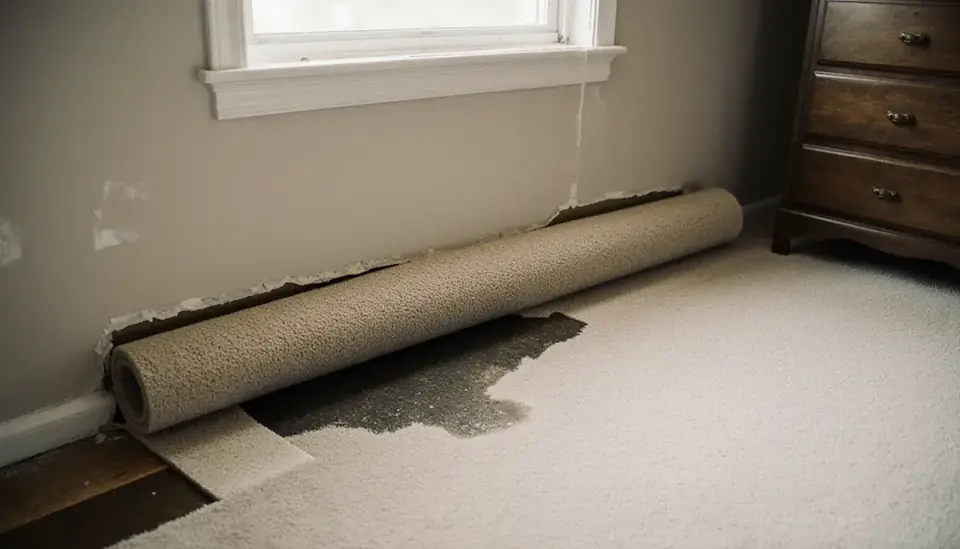
Many basements here stay damp after the snow melts, and a flooded or leaking basement that isn't dried within a day or two often grows mold on drywall paper, wood paneling and stored belongings. Floodwater from the creek carries silt and bacteria, which makes thorough cleaning more important. For limited spots, cleaning and drying may be enough; for larger areas or anything following a flood, use a remediation contractor working under New York's state mold program, and keep the assessment and the cleanup with separate companies as that program requires.
Flood Insurance and Paperwork
Creek flooding is excluded from standard homeowners policies, so it falls to a separate flood policy, typically through the National Flood Insurance Program. Basement coverage under those policies is limited to certain items such as furnaces and water heaters. Check your property on the FEMA flood map, take photos of water lines and damaged contents before cleanup, and keep receipts. For statewide context, see our New York service area page.
Batavia Neighborhoods and Surrounding Towns
The same line also serves nearby communities such as:
- Le Roy
- Oakfield
- Elba
- Alexander
- Bergen
- Corfu
Frequently Asked Questions
How high does Tonawanda Creek have to get before Batavia streets flood?
According to the National Weather Service, flood stage at the Batavia gauge is 9 feet, when Kibbe Park, Walnut Street and Law Street may see water. At 10 feet, flooding spreads along West Main and South Main streets, and at 12 feet there is considerable residential and commercial flooding on the west side. You can follow the gauge and forecasts on the NWS water prediction site.
Why do floods here often happen in winter or early spring?
Most of the creek's highest crests have come between December and April, when rain falls on snow, frozen ground sheds water instead of absorbing it, and ice can jam the channel. That timing means cold, slow-drying conditions inside flooded homes. Heat and dehumidification are usually needed, and drying may take longer than in summer.
Is basement flooding from Tonawanda Creek covered by homeowners insurance?
Generally not. Creek overflow counts as flooding, which needs a separate flood policy. Even then, basement coverage is limited to certain equipment and items. A sudden burst pipe is different and is usually covered under a homeowners policy. Call your agent, photograph the damage first, and keep a list of what was removed.