

Olean Creek empties into the Allegheny River right at the city, and the two valleys meet between hills that rise 500 to 600 feet above the river flats. That setting shaped Olean's past as a rail town and, for a short time, as the world's largest oil depot. It also explains its worst days: on June 23, 1972, the remnants of Agnes pushed the Allegheny to 26.2 feet on the Olean gauge, the highest crest on record there, and the flood heavily damaged the Erie Lackawanna main line through town.
Nobody from The Restoration Job shows up with pumps; the line simply makes a free referral. Call (888) 317-9980 at any hour and we'll connect you with an independent restoration provider that serves Olean and nearby Cattaraugus County communities, whether the problem is river water, a backed-up floor drain or a pipe that froze in January.
How the call works: when you call (888) 317-9980, The Restoration Job connects you with an independent restoration provider that serves Olean. That provider inspects the damage, explains the scope and quotes the work. The Restoration Job doesn't perform restoration itself. Read our referral disclosure.
What the Allegheny Gauge at Olean Tells You
The National Weather Service ties specific consequences to each level on the river gauge here, and the numbers are worth knowing if you own property in the valley:
- 12 feet (minor): water is possible on Union Street in Allegany and East Riverside Drive, one to three miles upstream.
- 17 feet (moderate): the Riverview School of Aviation, upstream of the Union Street bridge, is affected.
- 23 feet (major): the protective dikes begin to be topped and some residential streets in the city start to flood.
Only two recorded crests have passed that major mark: 23.3 feet in July 1942 and the 1972 Agnes flood. The levees have done their job through many smaller events since, including 18.6 feet in January 1996 and 17.74 feet in December 2010. Recent highs, such as 13.33 feet in February 2022 and 12.17 feet in April 2024, show that the river still rises most winters and springs.
Winter Floods, Snowmelt and Cold Basements
Look at the dates on the crest list and a pattern appears: January, February, March and December show up again and again. Rain on a snowpack, frozen ground and ice push water off the hillsides quickly. Olean averages about 65 inches of snow a year, with record lows near 22 below zero, so the same cold that drives those river rises also splits supply lines in exterior walls and unheated crawl spaces.
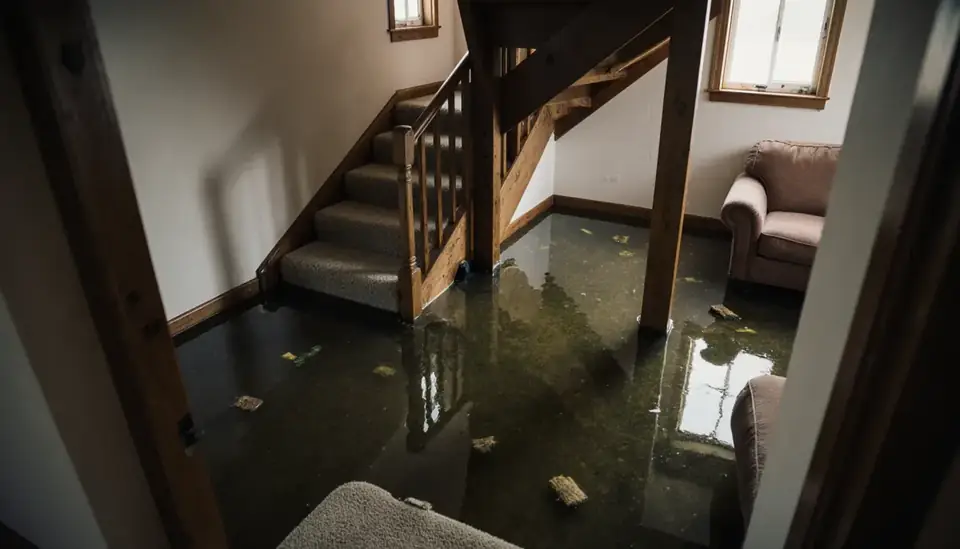
Basements take the brunt. Groundwater seeps through older foundation walls during a thaw, sump pumps run nonstop, and a power outage can turn a damp floor into standing water within hours. Drying a cold basement is slower than drying one in July; crews usually rely on heat plus dehumidifiers and check moisture in framing before closing anything up. Prompt water extraction limits how far water wicks into drywall and stored items.
Sewer Backups When the System Is Overloaded
The city's own public works department says stormwater and groundwater leaking into sanitary sewer lines eat up system capacity during wet weather. In 2003 Olean entered a consent order with the state Department of Environmental Conservation after permit violations caused by excessive wet-weather flows, and it has since been separating catch basins from sanitary lines on streets such as Orleans Avenue and York and West Ohio streets.
For homeowners, that history means a heavy rain can sometimes send sewage up through a floor drain rather than river water over a dike. Sewage-contaminated water calls for a different approach than clean water from a pipe: porous materials it touched are usually discarded, and hard surfaces need cleaning and disinfection. See our page on sewage cleanup for what that work involves, and ask a plumber whether a backwater valve makes sense for your line.
Mold Along the River Valley
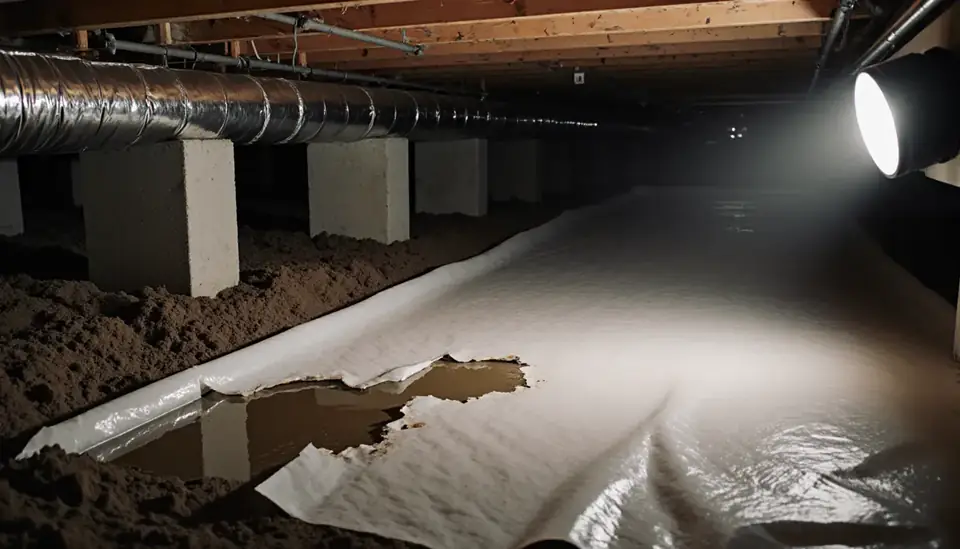
About 40 inches of precipitation a year, humid summers and basements that rarely dry completely make the Allegheny valley a forgiving place for mold. Growth typically shows up on drywall paper, paneling, cardboard boxes and the undersides of carpet when wet materials sit more than a day or two. Small patches on hard surfaces can often be cleaned, but larger areas or anything following floodwater or sewage should go to a mold remediation contractor working under New York's state mold program, which keeps the assessor and the remediation company separate.
The goal is not just cleaning what you can see. Fixing the moisture source, whether a seeping wall or a downspout dumping next to the foundation, is what keeps it from coming back.
Insurance, Photos and First Steps in Olean
River overflow is flooding, and flooding is excluded from standard homeowners policies; it needs a separate flood policy, usually through the National Flood Insurance Program. A burst pipe is a different claim and is often covered. Either way, photograph the water line and damaged belongings before anything is moved, shut off power to wet areas if you can do so safely, and keep receipts. Check your address on FEMA's flood map, and for statewide context see our New York service area page.
Where Callers in the Olean Area Are
The same line also serves nearby communities such as:
- Allegany
- Portville
- St. Bonaventure
- Weston Mills
- Hinsdale
- Salamanca
Olean Water Damage Questions
Do the dikes in Olean stop all river flooding?
They hold back most high water, but the National Weather Service notes that at 23 feet on the Olean gauge the protective dikes begin to be topped and residential streets start flooding. That level has been passed twice on record, in 1942 and 1972. Below it, flooding is usually limited to low areas upstream, though groundwater can still raise basement water levels in town.
Why do I get water in my basement during heavy rain even though I'm not near the river?
Often the cause is groundwater pressure or a sewer line under strain. The city reports that stormwater and groundwater entering sanitary sewers use up capacity in wet weather, which can push water back through floor drains. Gutters, downspouts and grading also matter. A restoration provider can dry the space, and a plumber can assess backflow protection.
Who handles emergency planning for Olean and the surrounding area?
Cattaraugus County's Office of Emergency Services in Little Valley coordinates emergency planning and preparedness for the county, and the city's fire department also handles emergency planning locally. For river forecasts, the National Weather Service publishes stage readings and forecasts for the Allegheny River at Olean gauge.
Is a frozen pipe burst treated the same way as a flood by insurers?
Usually not. A sudden pipe burst inside the house is typically handled under a homeowners policy, while river or surface flooding requires separate flood coverage. Policies vary, so call your agent early, document the damage with photos, and keep any failed pipe section if it's practical to save it.