
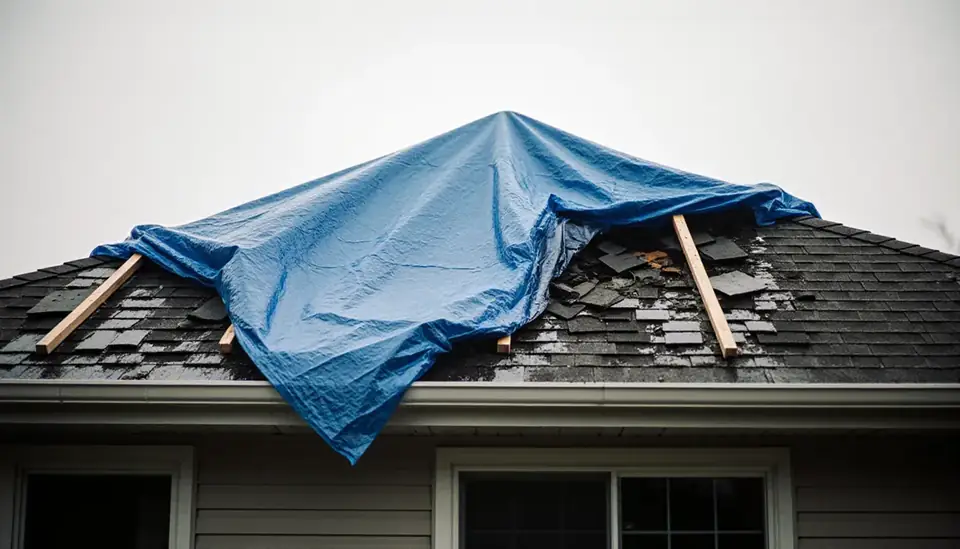
Of Rye's roughly 20 square miles, only about 5.9 are land; the rest is water, including Milton Harbor and the open Sound along the city's eastern edge. Blind Brook winds through town from the northwest down to Milton Harbor, and Beaver Swamp Brook marks the western border. Flooding has been a recurring part of life here, coming both from the Sound and from Blind Brook, and some neighborhoods have been underwater several times in the past two decades.
The Restoration Job is a no-cost connection service rather than a restoration company. Call (888) 317-9980 any time and we'll link you with an independent provider that serves Rye, from Milton Point to the streets along Blind Brook.
How the call works: when you call (888) 317-9980, The Restoration Job connects you with an independent restoration provider that serves Rye. That provider inspects the damage, explains the scope and quotes the work. The Restoration Job doesn't perform restoration itself. Read our referral disclosure.
Blind Brook and Indian Village
Indian Village sits in the Blind Brook watershed and has flooded repeatedly. After four days of rain in October 1975, the neighborhood saw significant deluges. In 2011, Hurricane Irene in August and another storm in September swelled Blind Brook and submerged Indian Village, the Rye Nature Center, the Rye High School football field, businesses on Purchase Street and homes on Milton and Highland Roads. Ten years later, the remnants of Ida dropped another eight to nine inches of rain on the area within about 12 hours.
Repeated flooding changes how a house should be repaired. After a brook flood, wet drywall, insulation and flooring usually come out, and the framing is cleaned and dried. Many owners in flood-prone areas rebuild lower levels with water-tolerant materials, move furnaces and water heaters up, and keep valuables off the lowest floor. Fast flood cleanup after each event limits how far contamination and moisture spread.
Milton Harbor, Storm Surge and the 2007 Nor'easters
The Sound brings a different kind of flood. Major flooding in March 2007 was followed six weeks later by the April 2007 nor'easter, which left some Rye homes with more than five feet of floodwater. In 2012, storm surge from Sandy forced evacuations of many coastal homes and facilities, including the Milton firehouse.
Saltwater leaves residue that keeps drawing moisture, so surfaces and framing should be rinsed before drying. Boilers, water heaters, electrical panels and HVAC equipment that sat in seawater need inspection by qualified trades before being turned back on. Wet insulation inside walls rarely dries in place and is generally removed.

Church Row, Soundview Park and Rye's Older Houses
Rye has an unusually rich collection of architecturally notable buildings, from Christ's Church, built in 1866, to the 1928 Wainwright House estate, and areas such as Soundview Park and Church Row have been proposed as National Register districts. Older homes bring older materials: plaster walls, old-growth wood floors and trim, and plumbing and heating systems that have been patched over decades.
- Ask whether plaster and hardwood can be dried in place before anything is removed.
- Photograph original details so they can be matched if repairs are needed.
- Have steam or hot-water heating systems checked after flooding, since valves and boilers may sit in the basement.
Controlled structural drying, using meters to track progress, often saves more original material than early demolition.
A Short Checklist for Flood Watches in Rye
Because Rye floods from both the brook and the Sound, a little preparation pays off when a watch is issued:
- Move cars to higher ground and carry valuables and documents upstairs.
- Clear leaves from storm drains and yard inlets near your property.
- Test your sump pump and keep a backup power option if you rely on one.
- Sign up for county and National Weather Service alerts.
After the water drops, stay out of flooded basements until power is off, photograph everything, and call your flood insurer. Standard homeowners policies leave out flooding; it needs a separate flood policy.
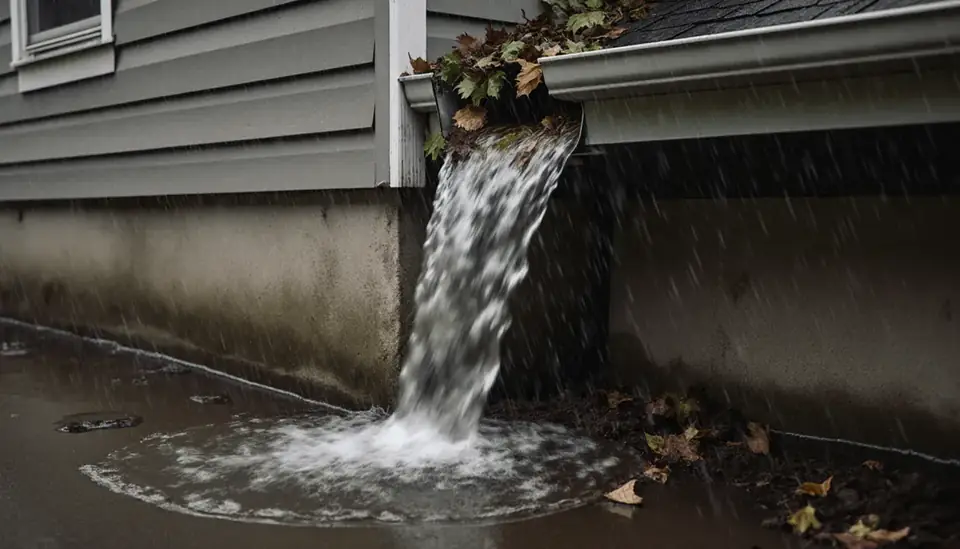
Mold After Repeated Floods
Coastal humidity and repeated wetting give mold a foothold, especially in houses that have flooded more than once and were not fully dried each time. Look for musty odors, staining at the base of walls and swelling in baseboards or floors. Mold can begin growing on damp drywall and wood within a day or two.
Professional mold remediation includes finding the moisture source, removing affected materials under containment and confirming the structure is dry before closing walls. In flood-prone homes, it is worth asking for moisture readings in framing even when the surface looks fine.
Neighborhoods and Nearby Communities
Calls come in from across Rye, including:
- Indian Village
- Milton Point
- Soundview Park
- Church Row
- Greenhaven
The same line also serves nearby communities such as:
- Rye Brook
- Port Chester
- Harrison
- Mamaroneck
- Larchmont
- White Plains
Common Questions
My Indian Village home floods every few years. Is it worth fully rebuilding the basement?
Many owners in repeatedly flooded areas choose to finish lower levels with materials that tolerate water, such as tile or sealed concrete floors and moisture-resistant wall systems, and to raise utilities above expected flood levels. That makes the next cleanup faster and cheaper. Talk with your flood insurer about what is covered below grade, since flood policies limit basement coverage, before deciding how much to rebuild.
What is different about cleaning up after Sound flooding versus Blind Brook flooding?
Both carry silt and contaminants, so porous materials are generally removed either way. Sound flooding adds salt, which stays in wood and masonry and keeps attracting moisture, so rinsing before drying matters more. Saltwater also corrodes electrical and mechanical equipment quickly. Brook flooding can bring more mud and debris. In both cases, have utilities checked before turning them back on.
Do I need flood insurance if my house is not right on the water?
Blind Brook flooding has reached homes and businesses well inland, including Purchase Street and Highland Road in 2011. Homeowners policies do not cover flooding, so a separate flood policy is the only way to insure against it. Check your property on FEMA's Flood Map Service Center, and keep in mind that floodwater does not stop at map boundaries.