
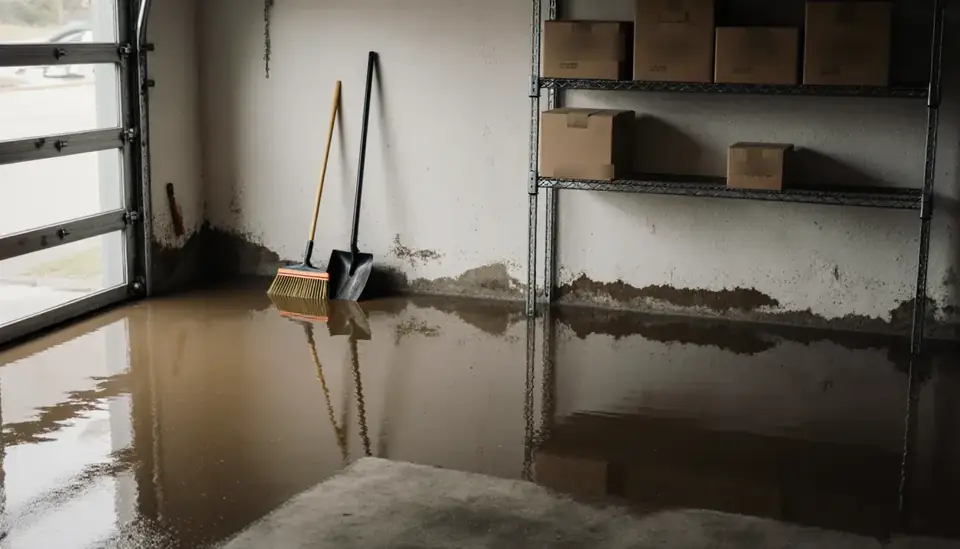
Fewer than one in five homes in the Bronx is owner-occupied, the lowest share of any borough, according to census data. Most residents live in apartment buildings, from prewar walk-ups and tenements to large complexes such as Co-op City. So water damage here often means a leak that crosses from one apartment to another, a boiler room that floods, or a basement storage area that takes on water in a storm, with a landlord, a tenant and sometimes a co-op board all involved.
The borough also has a long, low shoreline on the East River and Long Island Sound. Calling (888) 317-9980, a free referral line open day and night, puts you in touch with an independent restoration provider that serves The Bronx; The Restoration Job itself does not perform repairs.
How the call works: when you call (888) 317-9980, The Restoration Job connects you with an independent restoration provider that serves The Bronx. That provider inspects the damage, explains the scope and quotes the work. The Restoration Job doesn't perform restoration itself. Read our referral disclosure.
Throggs Neck, City Island and the Long Island Sound Edge
The eastern Bronx meets salt water on several fronts: Eastchester Bay, Pelham Bay, City Island and the peninsulas of Throggs Neck and Clason's Point. During Sandy in October 2012, water reached about 3.4 feet deep in Throggs Neck, and roughly 49,000 Bronx customers lost power, though no lives were lost in the borough. Waterfront homes in Edgewater Park, Country Club and on City Island are exposed to the same kind of surge in future nor'easters and tropical storms.
Saltwater that sits in a basement or crawlspace corrodes furnaces, water heaters and wiring. Before anything is switched back on, equipment should be inspected, and wet drywall, insulation and flooring generally need to come out.
Old Salt Marsh Along the Bronx River's Mouth
The Bronx River is the only entirely freshwater river in New York City. It runs 24 miles south from the Kensico Reservoir in Westchester County, through Bronx Park, the New York Botanical Garden and the Bronx Zoo, and enters the East River between Hunts Point and Soundview. Hunts Point, Clason's Point and Throggs Neck were once salt marshes, and that low, filled ground still drains slowly in a heavy storm.
Rainfall intensity is the bigger worry for most blocks. The Department of Environmental Protection reports that Central Park took 3.15 inches in one hour during Ida in 2021 and 2.07 inches in one hour on July 14, 2025. When sewers back up during bursts like that, basements and ground-floor units can take in contaminated water, which calls for sewage cleanup and disinfection rather than a simple dry-out.
A Borough of Renters: Leaks Between Apartments
In a six-story walk-up or a tower, water from a burst riser, a failed toilet supply line or a radiator leak can work its way down through several units. Tenants generally are responsible for their own belongings, while the building owner handles the structure, plumbing and finishes. If you rent:
- Report the leak to the super and the landlord in writing, and keep a copy.
- Photograph damaged ceilings, walls and possessions with the date visible.
- Call 311 if a serious leak or mold condition is not being fixed.
- Check whether your renters policy covers the damage to your belongings.
From Extraction to Rebuild in Older Bronx Buildings
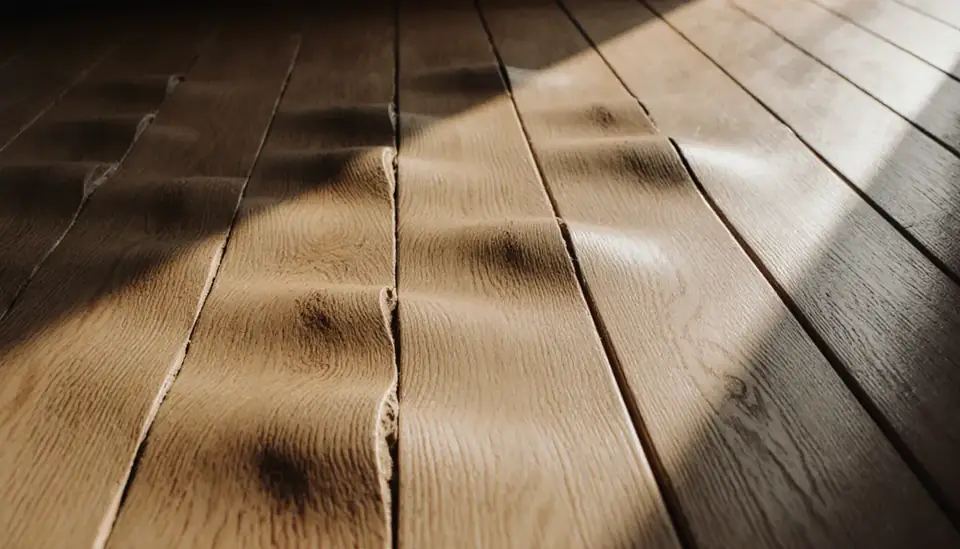
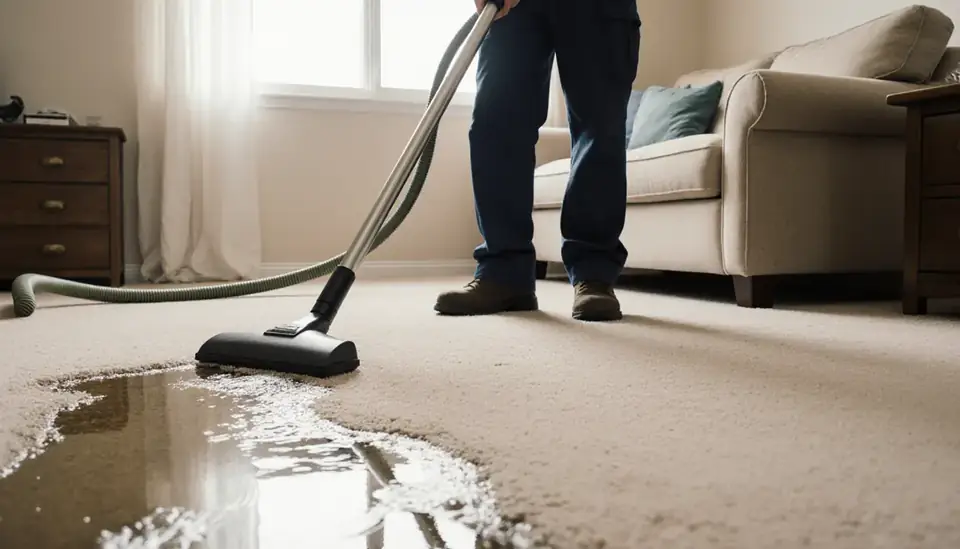
A provider will typically start by stopping the source and extracting standing water, then measure moisture in ceilings, walls and floors on every affected level. Plaster and masonry in older Bronx buildings hold water longer than modern drywall, so drying with dehumidifiers and air movers may run several days. Once the structure is dry, water damage repair covers the rebuild: patching or replacing ceilings, refinishing floors and replacing damaged cabinets. Keeping the two phases separate makes it easier for landlords, insurers and tenants to see what was done.
Steam Heat, Humid Summers and Hidden Mold
New York's summers are humid, and its winters, with January averaging around freezing, keep windows shut and heat running. A leak hidden behind a bathroom wall or inside a pipe chase can stay damp for weeks in those conditions. Look for peeling paint, bubbling plaster or a musty smell near a shared wall. Larger patches of growth should be handled with containment through professional mold remediation so spores do not spread into hallways or the apartment next door. Across the Harlem River, Manhattan buildings face many of the same issues.
The Bronx Neighborhoods and Surrounding Towns
Calls come in from across The Bronx, including:
- Mott Haven
- Hunts Point
- Soundview
- Throggs Neck
- City Island
- Riverdale
- Fordham
- Pelham Bay
- Co-op City
- Morris Park
- Kingsbridge
- Parkchester
The same line also serves nearby communities such as:
The Bronx Water Damage Questions
My landlord isn't fixing a leak in my Bronx apartment. What can I do?
Put your complaint in writing to the landlord and the managing agent, and keep photos of the leak and any damage. If the problem continues, you can file a complaint through 311, which routes housing condition issues to the city. Ongoing leaks can lead to mold, so it is worth acting early rather than waiting for the ceiling to fail.
Are homes on City Island or in Throggs Neck at risk of storm surge?
Yes. Both sit on Long Island Sound waters, and Throggs Neck saw water around 3.4 feet deep during Sandy. Owners should look up their address on FEMA's flood maps and consider flood insurance, since standard homeowners policies do not cover flood damage. Moving furnaces and electrical panels above the basement floor, where practical, can reduce losses in the next storm.
Can water damage from the apartment above cause mold in my unit?
It can, especially if water soaks into the ceiling cavity or wall framing and is never dried out. Surfaces might look fine while the inside stays wet. A moisture meter or thermal camera can show where water traveled. Drying the affected area within the first day or two greatly reduces the chance of mold growth.