

Three rivers wrap around Manhattan: the Hudson on the west, the East River on the east and the Harlem River to the north. Parts of the shoreline are not even original ground. Battery Park City sits on fill that pushed the island's edge out across West Street. Even so, most calls about water here begin indoors, with a burst supply hose on a high floor, a stuck radiator valve or an overflowing tub that sends water down through two or three apartments before anyone notices the ceiling.
The Restoration Job does not send its own workers; it runs a free referral line. Call (888) 317-9980 at any hour and we'll connect you with an independent restoration provider that serves Manhattan, whether you are dealing with a stain spreading from the unit upstairs, a soaked storefront after a downpour or a building cellar full of water.
How the call works: when you call (888) 317-9980, The Restoration Job connects you with an independent restoration provider that serves Manhattan. That provider inspects the damage, explains the scope and quotes the work. The Restoration Job doesn't perform restoration itself. Read our referral disclosure.
Sandy's Surge and the Low Ground Below 39th Street
On October 29 and 30, 2012, Sandy pushed New York Harbor into the southern end of the island. The tide gauge at the Battery recorded a surge of 9.40 feet above the normal tide, a water level of 14.06 feet above average low tide and the highest on record there. Water near the South Street Seaport may have been as much as 8 feet deep, the South Ferry subway station was largely destroyed, and the whole of Lower Manhattan south of 39th Street lost power. NYU Langone and Bellevue both had to evacuate patients.
The lesson for property owners downtown and along the East River is that the costly damage often sits below grade: boiler rooms, electrical switchgear, elevator pits, storage units and basement retail. After saltwater intrusion, proper flood cleanup means pumping out, removing soaked finishes and cleaning salt residue before equipment is inspected and restarted. FEMA's Flood Map Service Center shows whether a specific address falls in a mapped flood zone.
Cloudburst Flooding Far From the Waterfront
The rivers are not the only threat. During the remnants of Ida on September 1, 2021, Central Park took 3.15 inches of rain in a single hour, and the National Weather Service issued the first flash flood emergency ever declared for New York City. On July 14, 2025, another storm dropped 2.07 inches in an hour there, the second-highest hourly total on record. According to the city's Department of Environmental Protection, the three heaviest one-hour totals at the park have all come since 2021.
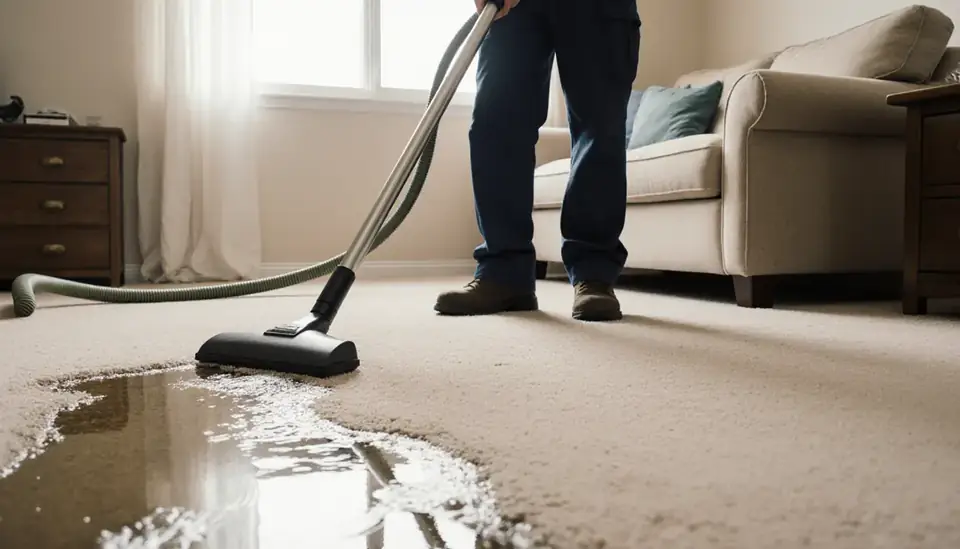
Rain that heavy outruns street drains. Water pours down areaway stairs, comes up through floor drains and backs out of toilets in cellar-level units. When the water carries sewage, the job calls for sewage cleanup with disinfection and removal of porous materials, not a quick mop and fan.
When the Leak Starts in Someone Else's Apartment
In a co-op or condo tower, one failed dishwasher hose can affect a stack of units, the hallway and the lobby ceiling. Who pays for which repair usually depends on the proprietary lease or bylaws, the building's master policy and each owner's or renter's own coverage. Before any work starts, a few steps help everyone:
- Call the super or managing agent so the riser or unit valve can be shut off.
- Photograph ceilings, walls, floors and damaged belongings in every affected unit.
- Ask the building what it requires from outside contractors, such as work-hour limits, elevator bookings or paperwork from the provider's insurer.
- Notify your own insurance carrier early, even if you believe the neighbor's unit caused the leak.
Drying Plaster Walls and Tight Spaces on the Upper Floors
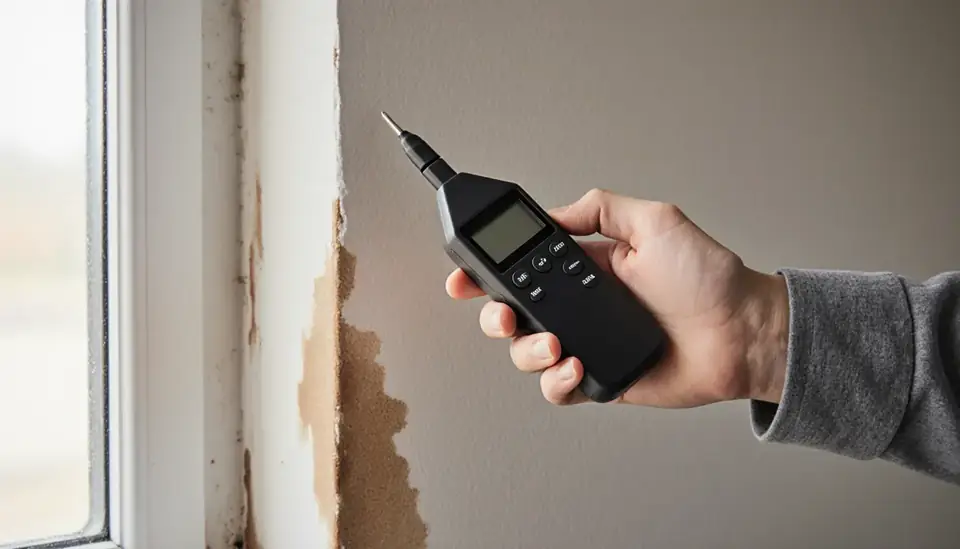
Plenty of older buildings in neighborhoods like Harlem, Washington Heights and the Upper East Side still have plaster over masonry or wood lath, which holds water longer than modern drywall and hides it well. A restoration crew will typically map moisture with meters, open only what is necessary and run dehumidifiers and air movers until readings come back to normal. Structural drying in a Manhattan walk-up or a tower takes planning: equipment has to come up stairs or a freight elevator, and noise and power use may be limited by the building. Hardwood floors, built-in cabinetry and prewar moldings are often worth drying in place rather than ripping out.
Mold in Bathrooms, Shafts and Behind Kitchen Cabinets
New York's humid subtropical climate means muggy summers, and winters with a January mean near freezing keep many Manhattan apartments sealed up and heated. Moisture trapped behind tile, under a sink base or inside a pipe chase can grow mold within days if a leak is not dried out. Musty odors near a shared wall or recurring stains under a window are worth checking with a moisture meter. For visible growth larger than a small patch, professional mold remediation uses containment so spores are not spread into hallways or neighboring units.
Manhattan Neighborhoods and Surrounding Towns
Calls come in from across Manhattan, including:
- Financial District
- Battery Park City
- Lower East Side
- East Village
- Greenwich Village
- TriBeCa
- Chelsea
- Upper East Side
- Harlem
- Washington Heights
The same line also serves nearby communities such as:
Frequently Asked Questions
Is my Lower Manhattan building in a flood zone?
Much of the low land near the Battery, the Seaport and the East River waterfront flooded during Sandy, but zones vary block by block. Look up the exact address on FEMA's Flood Map Service Center. Keep in mind that a basement or cellar outside a mapped zone can still flood during a cloudburst, which is why NYC Emergency Management suggests flood insurance even for many properties outside the zones.
Water is coming through my ceiling from the apartment above. What should I do first?
Notify the upstairs neighbor and the super right away so the source can be stopped, then move electronics and valuables out of the drip path and put down containers. Take photos before anything is moved or cleaned. A bulging or sagging ceiling can drop without warning, so keep people out of that room. Once the leak is stopped, a restoration provider can measure how far moisture has spread inside the ceiling and walls.
Does homeowners or renters insurance cover flooding from a storm in Manhattan?
Standard property policies generally exclude flood damage, as NYC Emergency Management points out, so surface water from a storm usually needs separate flood coverage through the National Flood Insurance Program or a private carrier. Sudden pipe bursts and appliance leaks are a different category and are often handled under regular policies, depending on your terms. Your agent can confirm what applies.
Can a restoration provider work in a co-op with strict alteration rules?
Usually yes. Emergency water mitigation such as extraction and drying is generally treated differently from renovation work. Expect the building to ask for paperwork before anyone arrives, and plan any larger rebuild of walls or floors with the managing agent once the space is dry.