
No borough paid a heavier price in Sandy. At least 21 people died on Staten Island when the surge came ashore on October 29, 2012, and entire blocks of houses were swept away in Midland Beach, New Dorp and Oakwood Beach. The island is also the most suburban part of the city, with the highest owner-occupancy rate of the five boroughs at about 69.5 percent, so the person facing a flooded basement or a storm-torn roof is usually the homeowner.
Our role is limited to a free phone connection; The Restoration Job has no crews or equipment. Dial (888) 317-9980 at any hour and we'll link you with an independent provider that serves Staten Island, from the North Shore around St. George to Great Kills and Tottenville.
How the call works: when you call (888) 317-9980, The Restoration Job connects you with an independent restoration provider that serves Staten Island. That provider inspects the damage, explains the scope and quotes the work. The Restoration Job doesn't perform restoration itself. Read our referral disclosure.
What Sandy Did to the East and South Shores
The water came fast along the Lower New York Bay side. Along the Kill Van Kull, the surge ran 9.56 feet above the normal tide. The highest water line measured anywhere in New York State, 7.9 feet above ground, was found on a doorframe of a house in Oakwood. After the storm, Oakwood Beach homeowners were offered government buyouts so the low ground could become an open buffer against future storms.
The East Shore blocks that flooded in 2012 are still low-lying. Before rebuilding or buying, check the property on FEMA's flood maps. A standard homeowners policy does not pay for flood damage, so separate flood insurance is the only coverage for surge or rising water.
Bluebelt Streams, Wetlands and Inland Drainage
Away from the beaches, the island handles a lot of its rain differently from the rest of the city. The Department of Environmental Protection's Bluebelt program uses natural streams, ponds and wetlands to store and carry stormwater across 16 watersheds totaling about 10,000 acres, mostly at the southern end of the island. Fresh Kills and its tributaries form part of the largest tidal wetland system in the region.
Those systems help, but they do not stop every flood. Homes at the bottom of a slope from Todt Hill, which at 401 feet is the highest point in the five boroughs, or near a stream corridor can still see runoff pour into a basement window well during a heavy downpour. Clearing gutters, extending downspouts and keeping window wells covered are simple ways to limit it.
Finished Basements and Owner-Occupied Houses
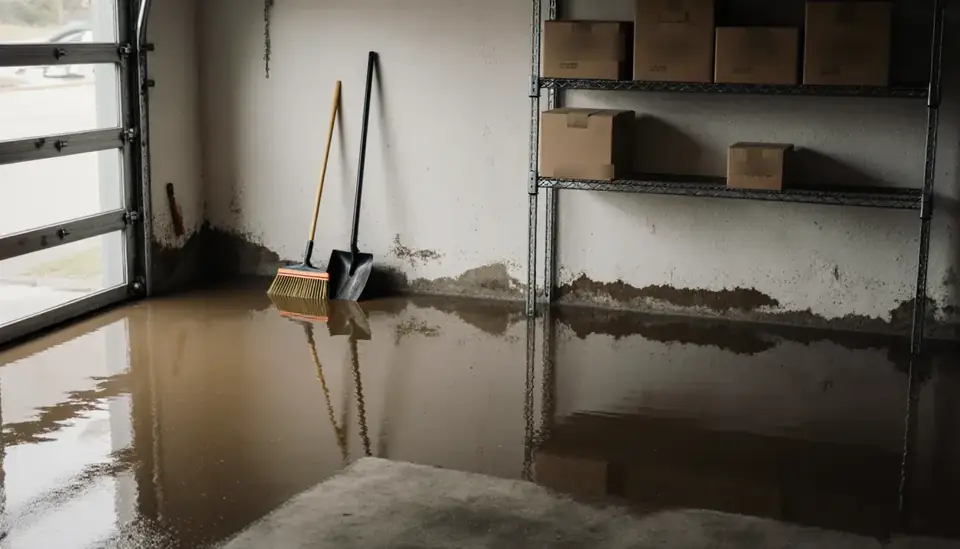
In an owner-occupied Staten Island house, a finished basement may hold a family room, laundry, boiler and water heater. When water gets in, the losses add up quickly: carpet and pad, drywall, insulation, furniture and mechanical equipment. A crew handling flood cleanup in a finished basement will usually pump out standing water, remove flooring and cut wall finishes above the high-water mark, then dry the framing and slab before anything is rebuilt.
After a Coastal Storm: First Steps for Shore-Area Homes
- Stay out until officials say it is safe, and do not enter a flooded basement while power is on.
- Photograph the water line, the exterior and every damaged room before cleaning.
- Call your flood insurer and your homeowners insurer, since surge and wind damage are often handled under different policies.
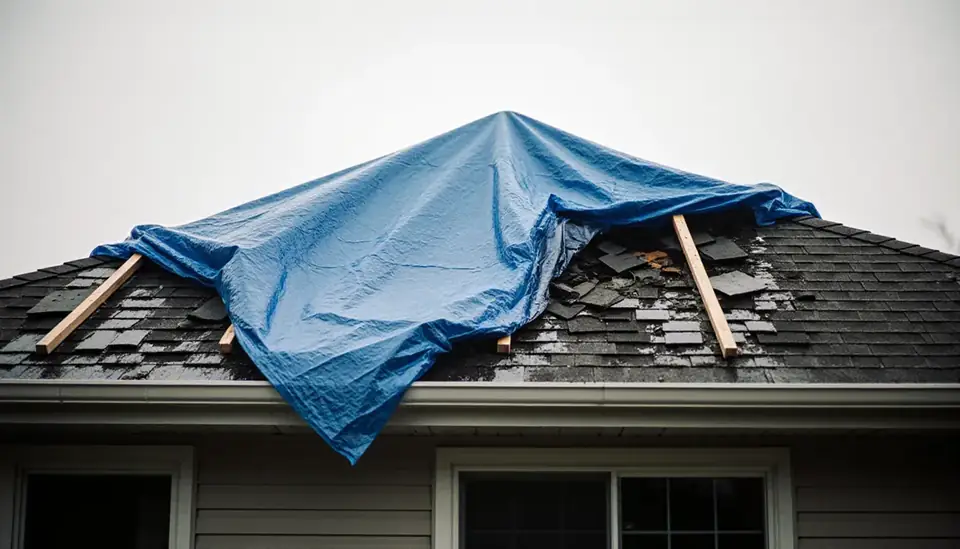
- Tarp roof or siding openings to stop more rain from getting in; a provider offering storm damage cleanup can board and tarp if needed.
- Treat any water that came in from outside as contaminated, and wear gloves and boots while handling it.
Mold Risk Close to the Water
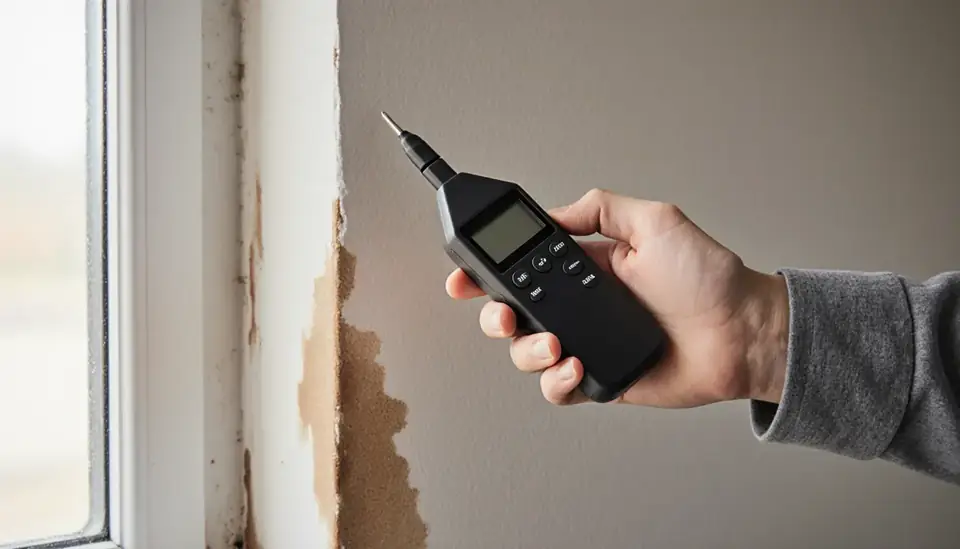
Shore-area homes sit in damp air for much of the summer, and wet framing in a closed-up basement can grow mold within a few days. Salt residue left after a surge also pulls moisture from the air, so materials can feel dry and then turn damp again. Professional structural drying uses meters to confirm that studs, sill plates and subfloor are actually back to normal before walls are closed. If mold has already started, containing and removing it before rebuilding avoids sealing the problem inside new drywall. Homeowners across the Narrows in Brooklyn face many of the same coastal risks.
Neighborhoods and Nearby Communities
Calls come in from across Staten Island, including:
- St. George
- Tompkinsville
- Stapleton
- South Beach
- Midland Beach
- New Dorp
- Oakwood
- Great Kills
- Tottenville
- Port Richmond
The same line also serves nearby communities such as:
- Brooklyn
- Bayonne
- Elizabeth
- Linden
- Perth Amboy
Staten Island Water Damage Questions
Can I get my Staten Island home bought out because it keeps flooding?
After Sandy, homeowners in Oakwood Beach were offered government buyouts that turned the area into a storm buffer. Whether any buyout or elevation funding is available now depends on current state and federal programs, which change over time. NYC Emergency Management and FEMA's flood resources are good starting points for finding out what applies to your property.
Does the Bluebelt mean my basement won't flood?
No. The Bluebelt's streams, ponds and wetlands store stormwater and help protect downstream homes, but very heavy rain can still overwhelm local drainage, and the program does not protect against coastal surge. Basements near stream corridors or at the base of slopes can still take on runoff, so grading, gutters and a working sump pump still matter.
Is my flooded finished basement a total loss?
Not always. The concrete slab, framing and many mechanical items can often be dried and saved, while carpet, pad, insulation and the lower part of the drywall usually need to come out, especially if the water came from outside. A restoration provider can take moisture readings and tell you which materials are salvageable before you start tearing everything out.