
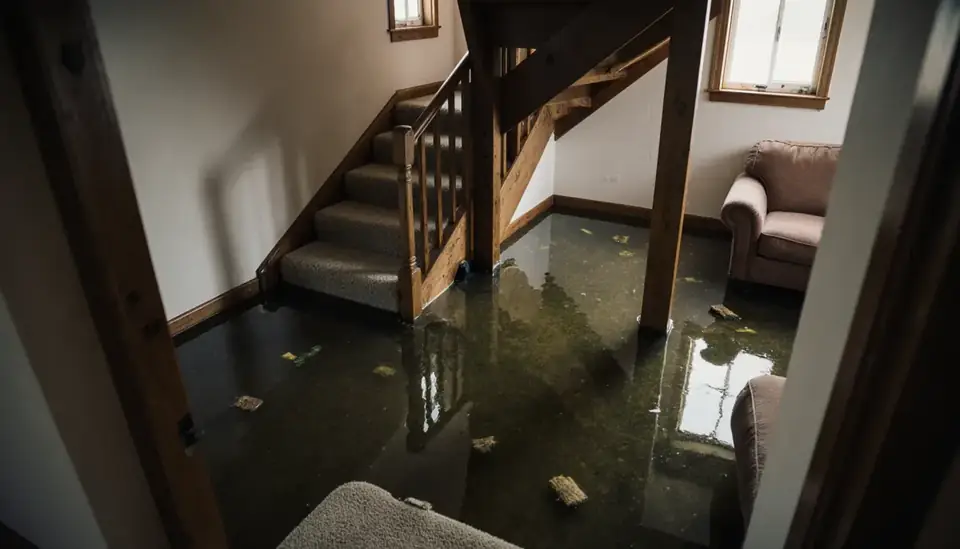
Yonkers climbs from the edge of the Hudson River to 416 feet above sea level at Sacred Heart Church, and it calls itself the City of Seven Hills for good reason. Between those hills run three rivers: the Hudson along the western edge, the Bronx River along the eastern line, and the Saw Mill River, which enters from the north and meets the Hudson at Getty Square. Rain that falls on Park Hill, Nodine Hill or Locust Hill has to go somewhere, and in a hard storm a good share of it heads downhill toward the valley floors and the buildings that sit there.
Nobody from The Restoration Job comes to your door; this is a no-cost referral line. Call (888) 317-9980 any time and we'll connect you with an independent restoration provider that works in Yonkers, whether the problem is a flooded basement in Dunwoodie or a ceiling leak in a downtown apartment.
How the call works: when you call (888) 317-9980, The Restoration Job connects you with an independent restoration provider that serves Yonkers. That provider inspects the damage, explains the scope and quotes the work. The Restoration Job doesn't perform restoration itself. Read our referral disclosure.
The Saw Mill River Valley and Getty Square
For most of the twentieth century, the last 2,000 feet of the Saw Mill River ran out of sight. Between 1917 and 1922 it was buried in a culvert under the Getty Square neighborhood to control flooding and pollution. The city later spent about $48 million bringing sections of it back to daylight, with phases finished in 2011, 2016 and 2018. Upstream, the Saw Mill River Parkway was built beside the river and, as development added runoff after the war, it often flooded and closed.
That history matters for property owners in the valley. Much of the old industrial core, including the Alexander Smith carpet mills that once filled 45 buildings, grew up along this river because of its water power. Buildings on low ground near the river corridor, or near streets that collect hillside runoff, are the ones most likely to see water at the foundation line during a cloudburst. On September 29, 2023, Yonkers declared a state of emergency after flash flooding hit much of the Hudson Valley and New York City.
Apartment Buildings, Row Houses and Water That Travels
Downtown Yonkers is a mix of dense apartment buildings, blocks of stores with apartments above, multifamily row houses and detached homes. In stacked housing, a single failed supply line or overflowing tub rarely stays in one unit. Water moves down through ceilings, light fixtures and wall cavities, and it can show up two floors below the source.
- Tell the superintendent or managing agent right away so the source can be shut off and neighbors checked.
- Photograph damage in your unit before anything is moved.
- Ask your landlord or board who is responsible for the building structure versus your own belongings and improvements.
- Renters should check whether they carry renters insurance; the building's policy generally does not cover tenant contents.
A restoration provider can measure moisture in the walls and floors of each affected unit, which helps separate what came from where when several households and insurers are involved.

Flash Floods, Hillside Runoff and Sewer Backup
Westchester gets plenty of precipitation, and some higher parts of the county see more than 50 inches a year. The bigger problem in a hilly city is intensity. When the remnants of Ida crossed the region on September 1, 2021, Westchester was one of nine New York counties included in the federal disaster declaration that followed. Short, heavy bursts like that overwhelm storm drains, push water through basement doors and window wells, and can force sewage back up through floor drains.
Water that comes up from a floor drain or toilet should be treated as contaminated. Porous items it touches, such as carpet, pad and cardboard storage, usually cannot be saved. Arrange professional sewage cleanup rather than mopping it yourself, and keep children and pets out of the area until it has been cleaned and disinfected.
What to Do Before a Yonkers Crew Arrives
The steps that limit damage are the same whether water came from the Saw Mill River, a hillside downpour or a burst pipe in January:
- Shut off power to wet areas at the panel if it is safe to reach it, and stay out of standing water near outlets.
- Stop the source: the main water shutoff for a plumbing leak, or close off the affected room in a flood.
- Document everything with photos and video before cleanup starts.
- Lift furniture off wet carpet and move valuables and papers to a dry floor.
- Call your insurer early; flood damage needs a separate flood policy, not a standard homeowners policy.
From there, water damage restoration typically means extracting standing water, removing materials that cannot be dried, and running dehumidifiers and air movers until moisture readings return to normal. In older masonry and plaster buildings, that drying phase can take longer than people expect.
Mold in Basements and Closed-Up Units
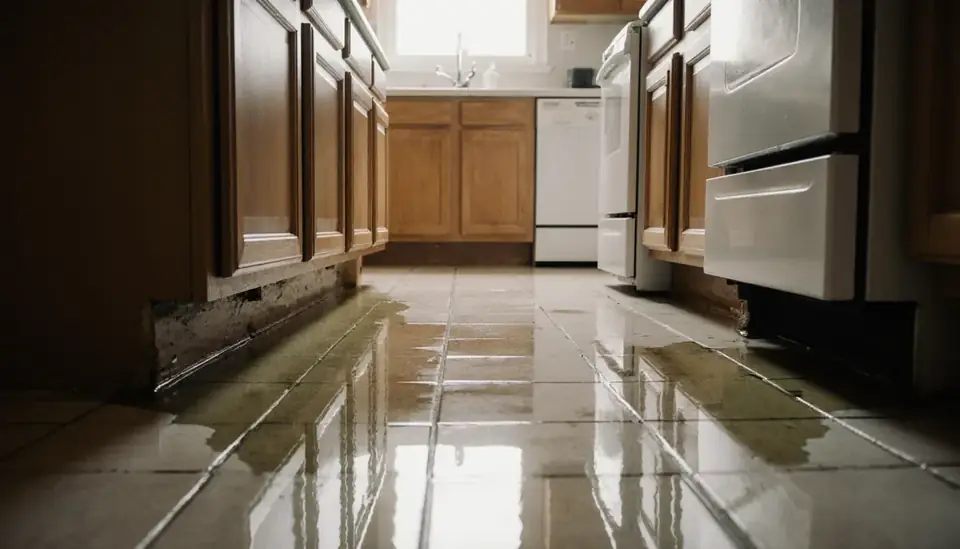
Humid summers in the lower Hudson Valley give mold an easy start in any space that stays wet. Basements below grade, storage rooms and apartments closed up while tenants are away are typical places it shows up after a leak. Mold can begin growing on damp drywall, carpet backing and wood within a day or two, so the speed of drying matters more than anything else.
If you can see growth, smell persistent mustiness, or know a wall stayed wet for several days, a provider can check behind finishes with moisture meters. Small spots on hard surfaces are often cleanable; larger areas on porous materials generally need professional mold cleanup with containment so spores are not spread to other rooms or units.
Where Callers in the Yonkers Area Are
Calls come in from across Yonkers, including:
- Getty Square
- Park Hill
- Nodine Hill
- Dunwoodie
- Crestwood
- Ludlow Park
- Runyon Heights
- Lawrence Park West
- Nepera Park
- Glenwood
The same line also serves nearby communities such as:
- Mount Vernon
- Bronxville
- Tuckahoe
- Eastchester
- Scarsdale
- Greenburgh
Questions From Yonkers Property Owners
My basement near the Saw Mill River floods in heavy rain. Is that covered by homeowners insurance?
Usually not. Standard homeowners policies exclude flood, meaning surface water from outside that enters the home. A separate flood policy through the National Flood Insurance Program or a private carrier is needed. Some policies offer an optional endorsement for sewer or drain backup, which is a different cause of loss. Check FEMA's flood maps for your address and go over your policy wording with your agent before the next storm.
A neighbor's leak upstairs is dripping into my Yonkers apartment. Who do I call first?
Alert the building superintendent or managing agent so they can get into the unit above and stop the source. Turn off light fixtures in the wet ceiling area and put containers under drips. Take photos and video. Then notify your own insurer if you have renters or condo coverage. A restoration provider can document moisture readings in your unit, which is useful when the building and several residents are filing claims.
How do I get emergency weather alerts for Yonkers?
The city offers CodeRED, a notification system that sends alerts about severe weather, road closures and other emergencies by phone, text, email or app. The National Weather Service office in Upton also issues flash flood watches and warnings for Westchester. Signing up for alerts gives you time to move valuables off basement floors and clear outside drains before heavy rain arrives.
Is it safe to handle a floor-drain backup on my own?
Small clean-water spills are manageable for many homeowners, but water that backed up from a sewer line or floor drain carries bacteria and should be handled by a professional with protective gear. Porous items it touched are generally discarded, and hard surfaces need cleaning and disinfection. Keep people and pets away from the area until it is done, and photograph everything for your insurance claim first.