
Two rivers meet at the edge of Port Jervis. The Neversink, the Delaware's largest tributary, comes down from the Catskills and joins the Delaware right at the city's southwest corner, near the Tri-States Monument where New York, New Jersey and Pennsylvania touch. That location made the city a canal port and later an Erie Railroad town, with thousands of railroad families living in houses that still line its streets. It also means that high water, ice and runoff from a very large watershed all end up here.
The Restoration Job is a referral service and does not send its own workers. Call (888) 317-9980, day or night, and we'll connect you with an independent restoration provider that covers Port Jervis, Deerpark and the river towns nearby.
How the call works: when you call (888) 317-9980, The Restoration Job connects you with an independent restoration provider that serves Port Jervis. That provider inspects the damage, explains the scope and quotes the work. The Restoration Job doesn't perform restoration itself. Read our referral disclosure.
Where the Neversink Meets the Delaware
The U.S. Geological Survey has measured the Delaware here for more than a century, and the gauge at Port Jervis drains about 3,076 square miles of the upper basin. Rain over the Catskills and the Poconos funnels toward the city, so river levels can keep climbing for a day or more after local skies clear. The worst flood on record along the river came in August 1955, when the remnants of Hurricanes Connie and then Diane passed over the region within a week, and Port Jervis flooded during Diane. More recently the main stem flooded three times in less than two years, in September 2004, April 2005 and June 2006, with the downstream gauge at Riegelsville well above flood stage each time.
Homes on the lower streets near either river are the most exposed, but flooding also arrives through basements as groundwater rises with the river, and through floor drains when storm and sewer lines back up.
Ice Jams and Late-Winter High Water
Not every flood here comes with summer rain. Ice has been a problem since at least 1875, when ice floes destroyed the bridge to Matamoras, and an ice jam in 1981 produced the highest water crest measured at the city to that point. Ice jams can raise water quickly and without much warning, often in cold weather when basements are full of stored items and heating equipment is working hard. A flooded furnace, boiler or water heater in February is both a water problem and a heating problem, so ask any provider you hire to coordinate with a heating contractor before equipment is restarted.

What a River Flood Cleanup Involves in Older Railroad-Era Homes
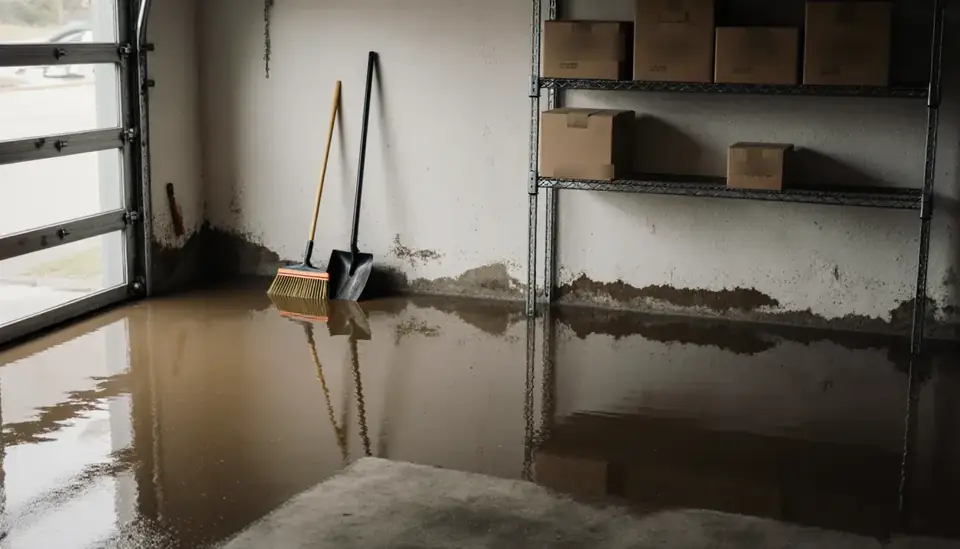
Much of the housing stock dates from the decades when the Erie Railroad ran about 20 passenger trains a day through the city. Those homes often have stone foundations, plaster walls, wood floors laid over plank subfloors and basements that hold utilities. Floodwater from the Delaware carries mud and silt, and anything it touched needs to be treated as contaminated.
- Wait until officials say it is safe to return and have the power checked before entering a flooded basement
- Photograph water lines on walls and every damaged item before removal
- Expect wet drywall, insulation and carpet to be cut out; plaster and solid wood can sometimes be dried in place
- Silt should be shoveled and washed out before drying equipment goes in
A flood cleanup provider can handle the mud-out and removal, then move on to structural drying with moisture readings to show when framing and floors are dry.
Silt, Warm Weather and Mold on the Lower Streets
River floods often hit in late summer or spring, when the ground is warm and damp, and silt left behind holds moisture against wood. That combination lets mold get started quickly in wall cavities, under floors and on stored belongings. Removing wet porous materials promptly and drying the structure thoroughly is what prevents it. If you see growth on framing or smell a persistent musty odor weeks after a flood, the space likely did not dry fully and should be checked before it is closed up or refinished.
Flood Maps, Insurance and Watching the Gauge
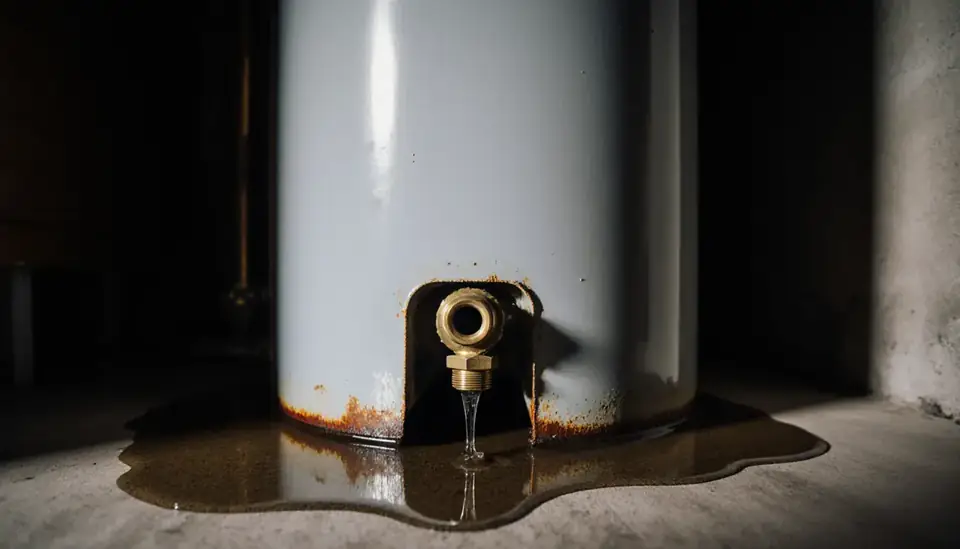
Properties close to either river may sit in a mapped flood hazard area, and the FEMA Flood Map Service Center will show the zone for any address. Standard homeowners policies exclude flood, so damage from rising river water is covered only through a separate flood policy, and those generally have a waiting period before they take effect. The USGS gauge page for the Delaware at Port Jervis shows current river levels, which is useful when rain is falling upstream. For basement leaks from burst pipes, which homeowners policies treat differently, document the source and call your agent promptly.
Where Callers in the Port Jervis Area Are
The same line also serves nearby communities such as:
- Deerpark
- Sparrowbush
- Huguenot
- Matamoras
- Montague Township
- Middletown
Port Jervis Water Damage Questions
The river is going down. How soon should flood cleanup start?
Begin once officials and an electrician agree the building is safe. Mold can begin on wet materials within a couple of days, and silt hardens as it dries, making it harder to remove. Then start removing mud, wet carpet and drywall. Photograph everything first for your flood insurance claim, including the high-water line on walls.
Can an ice jam really flood homes in Port Jervis?
Yes. The city's own history includes an 1875 ice event that took out the bridge to Matamoras and a 1981 ice jam that set the highest water crest recorded at the time. Ice can back water up quickly during cold weather, so homes near the rivers should keep valuables and utilities off basement floors where possible and pay attention to warnings from the National Weather Service.
My basement flooded even though the river didn't reach my street. Why?
When the Delaware and Neversink run high, groundwater around foundations rises too, and older stone foundations let it in. Storm drains and sewer lines can also back up through floor drains during heavy rain. Both situations still need extraction and drying. Water that came up through a drain should be handled as sewage-contaminated, which changes what can be saved.
Does homeowners insurance cover flood damage from the Delaware?
Generally no. Rising river water is defined as flood and is excluded from standard homeowners policies. Coverage comes from a separate flood policy, either through the National Flood Insurance Program or a private carrier. If you are not sure whether you have one, call your agent before cleanup and keep receipts for any emergency work.