
Ferries to Watch Hill and Davis Park leave from the Patchogue River, a mile-long tidal channel lined with marinas, fuel docks, restaurants and condominium buildings that runs south into Patchogue Bay and the Great South Bay beyond. The village itself covers only about two and a half square miles and sits roughly 20 feet above sea level on average, but the blocks nearest the river and the bay are much lower, and they feel every storm tide that pushes in from the ocean side of Fire Island.
The Restoration Job is a no-cost referral service; it does not employ crews or own equipment. Call (888) 317-9980 around the clock and we'll connect you with an independent restoration provider that serves Patchogue, from a waterfront condo with bay water in the garage to an apartment above a Main Street storefront with a leaking roof.
How the call works: when you call (888) 317-9980, The Restoration Job connects you with an independent restoration provider that serves Patchogue. That provider inspects the damage, explains the scope and quotes the work. The Restoration Job doesn't perform restoration itself. Read our referral disclosure.
Patchogue Bay, the River Channel and Storm Tides
Coastal flooding here does not need a direct hurricane hit. The Great South Bay is shallow and enclosed by Fire Island, and when strong easterly winds hold water in the bay over several tide cycles, low streets near the river and the shoreline can flood even under gray skies. After Sandy, residents worried that the new breach at Old Inlet, west of Smith Point, was raising bay levels; later study tied the flooding instead to a series of nor'easters.
Sandy itself, in October 2012, put Fire Island entirely under water with a high-water mark of about 5.6 feet and destroyed roughly 200 homes on the barrier island. Mandatory evacuations covered surge zones across the Town of Brookhaven, and a shelter opened at Sachem East High School. Brackish water that enters a building leaves salt and silt in drywall, insulation and ductwork, so proper flood cleanup involves removal and sanitizing, not just drying.
Main Street Storefronts, Apartments Above and Shared Walls
Patchogue's downtown was recognized in 2019 by the American Planning Association as one of the country's great neighborhoods, and it packs a lot of buildings into a small area: the 1923 Patchogue Theatre, restaurants, older commercial blocks and newer apartments. In buildings like these, water rarely stays in one unit. A failed supply line or an overflowing tub on an upper floor can run down through ceilings and along shared walls into a shop below.
- Tell the landlord, building manager or neighboring tenant right away, in writing
- Find the source before assuming it is your unit; water travels along pipes and joists
- Take dated photos of ceilings, walls, inventory and equipment
- Report to your own insurer even if another party may be responsible
Away From the Shoreline: Pipes, Roofs and Snow
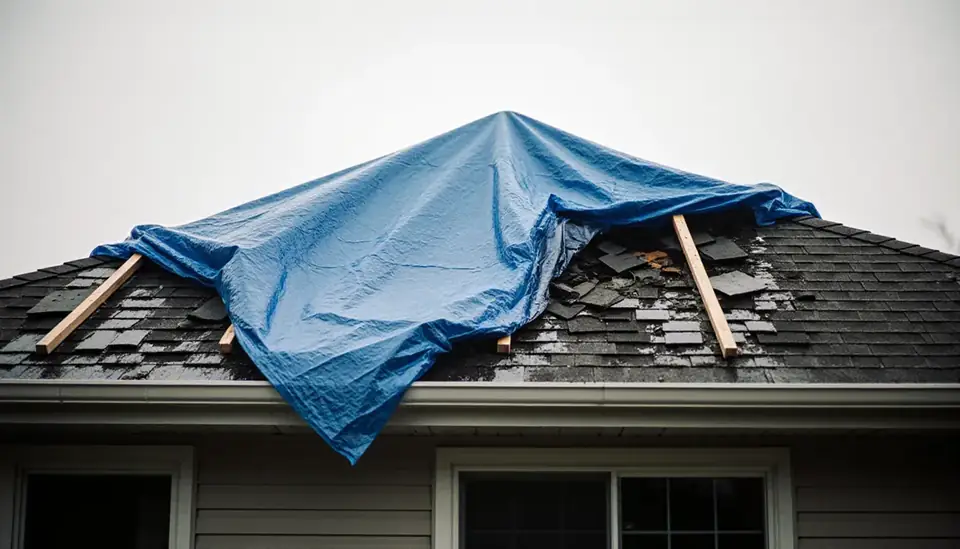
Farther from the shoreline, in the northern part of the village and in neighboring North Patchogue and Medford, tidal water is rarely the issue. Calls there tend to involve frozen pipes, water heaters, washing machine hoses and roofs. Long Island averages three to four inches of rain or melted snow a month, and a heavy winter can stack snow on roofs and decks; Suffolk saw 31 inches at Central Islip in February 2026. Ice that backs up at a roof edge can push meltwater into walls and ceilings well after the storm ends.
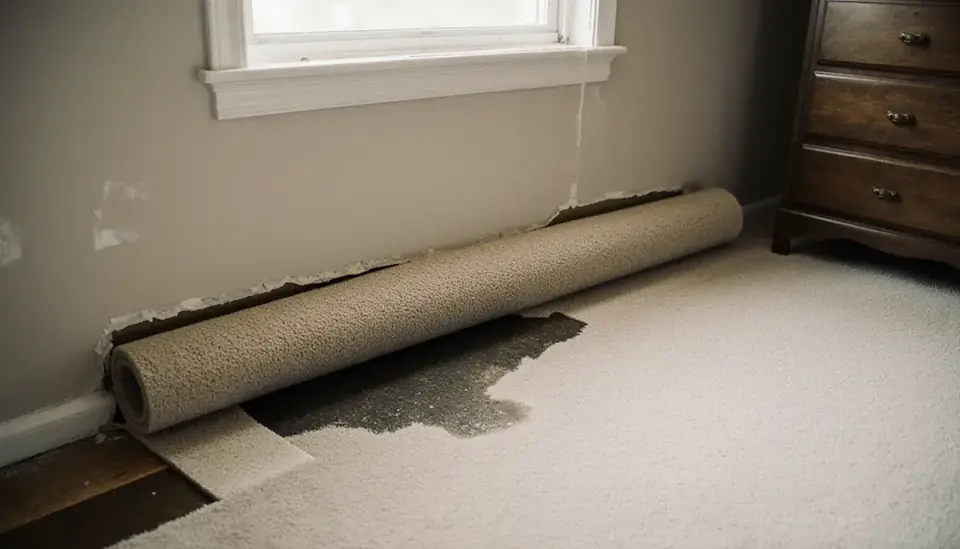
For leaks inside the house, water extraction followed by measured drying is usually the core of the job, along with removal of any materials that cannot be saved.
Damp Air off the Great South Bay and Mold
Summers here are warm and humid, and homes close to the water deal with damp air for much of the year. That makes mold a real concern after any leak or flood. Wet carpet pad, the backside of baseboards and the lower foot of drywall are where growth usually starts, often within a couple of days. Basements and crawl spaces that took in bay water need special attention because silt holds moisture against wood.
Ask whoever handles the drying to document moisture readings until materials are back to normal. That record helps if mold shows up later and also supports an insurance claim.

Flood Maps, Evacuation Zones and Insurance
Suffolk County publishes storm surge zone maps and shelter locations through its Office of Emergency Management, and residents can sign up for Suffolk Alert notifications. Before hurricane season, which starts June 1, look up whether your street falls in a surge zone. Standard homeowners and renters policies do not cover flood damage; that requires separate flood insurance, and FEMA's flood maps show the official flood zone for any address in the village.
Patchogue Neighborhoods and Surrounding Towns
The same line also serves nearby communities such as:
- East Patchogue
- North Patchogue
- Blue Point
- Medford
- Bellport
- Shirley
Questions From Patchogue Property Owners
Why does my Patchogue street flood without a hurricane?
The Great South Bay is shallow and partly enclosed, so a persistent onshore wind during a nor'easter can pile water into the bay for days. When that coincides with high tide, streets near the Patchogue River and the shoreline can take water through storm drains that back up from the bay. Tide timing matters, so watch NWS coastal flood statements, not just the rain forecast.
My condo along the river took on water. Who handles what?
Generally the association's master policy covers common elements and building structure, while your unit policy covers interior finishes, contents and improvements, but the split depends on your bylaws and declarations. Flood damage needs flood insurance at both levels. Report it to the board or manager immediately, document your unit, and coordinate drying so contractors are not working against each other.
Is it safe to stay in a home that had bay water in it?
Floodwater from the bay can carry sewage, fuel and other contaminants, especially near marinas. Keep children and pets away from wet areas, wear boots and gloves, and do not run electrical equipment that sat in water. Porous items that were soaked, such as carpet, mattresses and insulation, are usually discarded. A provider can clean and sanitize hard surfaces before drying.