
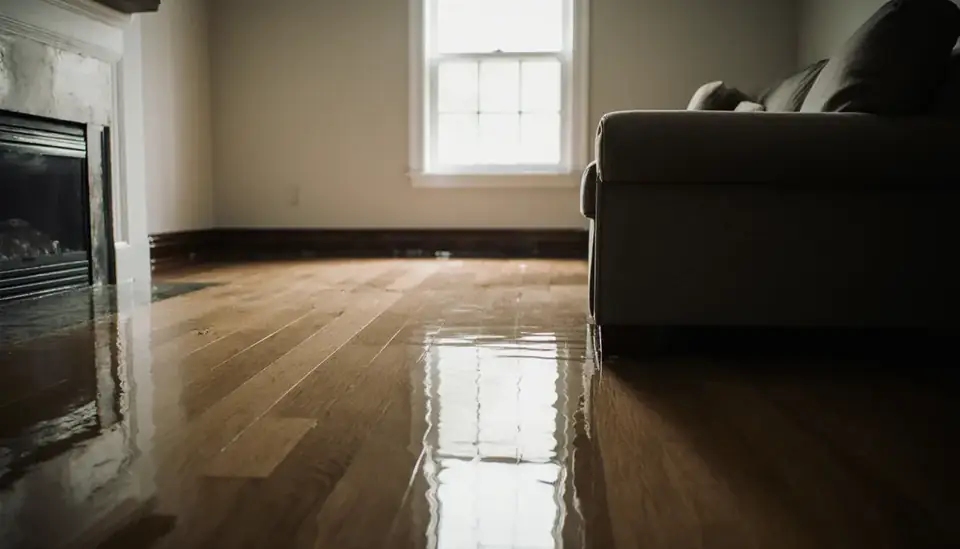
Commack sits about 130 feet above sea level on the dry, wooded upland that once made it farm country, and the hamlet has no surface water inside its borders at all. It straddles the line between the Towns of Huntington and Smithtown, tied together by the Long Island Expressway, the Northern State and Sunken Meadow parkways and Jericho Turnpike. Tidal surge is not the local worry here. Inside the house is where most of the trouble starts: a split supply line, a water heater that finally gives out, a downpour that finds its way into a basement.
The Restoration Job does not do repairs itself; it is a free phone referral service. Call (888) 317-9980 at any hour and we'll connect you with an independent restoration provider that works in Commack, whether the water came through the foundation, the roof or a failed fitting behind a wall.
How the call works: when you call (888) 317-9980, The Restoration Job connects you with an independent restoration provider that serves Commack. That provider inspects the damage, explains the scope and quotes the work. The Restoration Job doesn't perform restoration itself. Read our referral disclosure.
An Inland Hamlet Built Out After the War
The farms and oak woods that gave way to houses here did so quickly. Smithtown's population more than doubled in the 1950s and again in the 1960s, and Huntington went through the same postwar wave as western Suffolk turned into commuter country. Census counts show roughly 12,300 housing units in Commack in 2020, overwhelmingly owner-occupied family homes with very few vacancies.
That history matters for water damage. Many of these houses are now well past sixty years old. Original galvanized or copper supply lines, aging drain stacks, and finished basements added decades after construction are all common places for leaks to start. A slow drip under a vanity or behind a dishwasher can soak subfloor for weeks before anyone notices a soft spot or a stain on the ceiling below.
Cloudbursts, Snowmelt and Basements on the Upland
Long Island gets about three to four inches of precipitation in an average month, spread fairly evenly through the year, but averages hide the bad days. In August 2014 a flash flood dropped more than three months of rain on parts of the island within hours. Even on high ground, storms like that overwhelm gutters, driveways and dry wells, and water pools against foundation walls until it finds a crack or a window well.
Cold months add their own hazards. Suffolk County can see heavy snow; Central Islip measured 31 inches on February 23, 2026. Deep snow on a roof can lead to ice dams that push meltwater under shingles, and drifts against a foundation become a slow, steady source of seepage as they thaw. Pipes in garages, crawl spaces and exterior walls are the ones most likely to freeze and split during a cold snap.
First Hour After a Leak in a Commack Home
Most interior leaks can be stopped quickly if you know where the main shutoff is. Find it now, before you need it; in many Long Island homes it sits near where the service line enters the basement or utility area.
- Close the main valve or the fixture shutoff and open a faucet on the lowest level to relieve pressure
- Turn off power to any room where water has reached outlets, baseboard heaters or extension cords
- Photograph the source, the wet areas and damaged belongings before moving things
- Pull area rugs, boxes and stored items off a wet basement floor
- Call your homeowners insurer to report the loss and ask what documentation they need
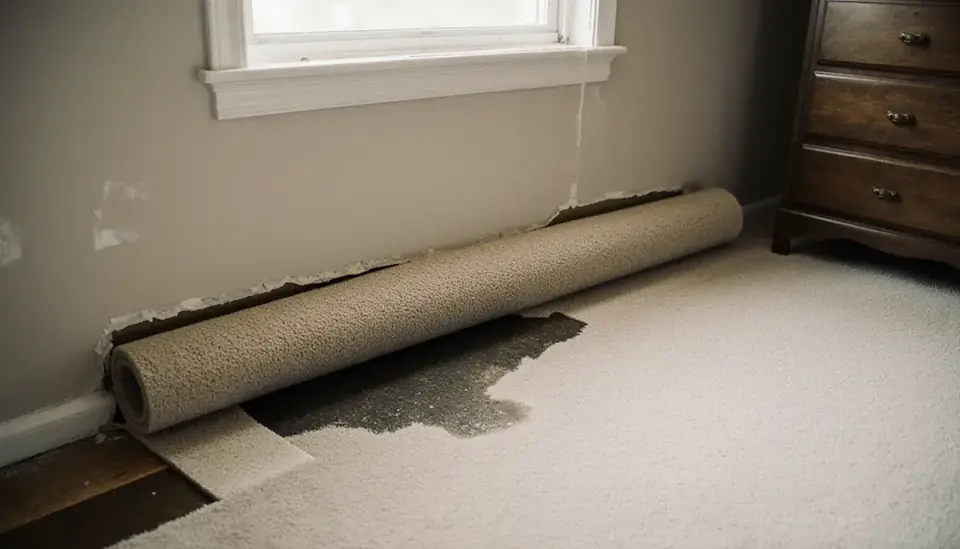
Professional water damage repair usually starts with moisture mapping to find how far the water traveled under flooring and up drywall, followed by extraction and controlled drying. Water that spreads across a finished basement often wicks into carpet pad and the bottom of walls well beyond the visible puddle.
Drying Finished Basements Before Mold Sets In
Humid Long Island summers give mold an easy start in any space that stays damp, and below-grade rooms are the most vulnerable. Mold can begin growing on wet drywall paper, carpet backing and wood paneling within a day or two. Running a box fan rarely solves the problem, because the moisture trapped inside wall cavities and under laminate is what feeds growth later.
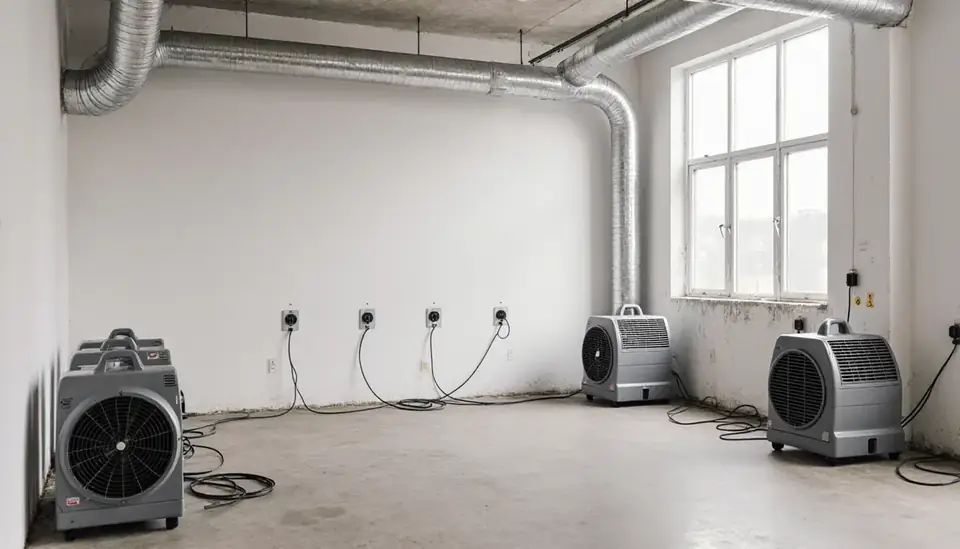
A provider handling structural drying will typically set dehumidifiers and air movers, cut flood lines in drywall when needed, and check readings each day until materials reach normal levels. If you already see spotting or smell mustiness, mold cleanup should be part of the plan rather than an afterthought.
Flood Coverage and Maps for Higher Ground
Homeowners policies generally cover sudden water releases, such as a burst pipe, but not flooding from surface water or groundwater. Flood insurance is a separate policy. Because Commack is inland, many owners assume they have no flood exposure; checking your address on FEMA's flood maps takes a few minutes and may answer the question either way. Sewer backup coverage is often an optional rider, so it is worth reviewing your policy before storm season.
Neighborhoods and Nearby Communities
The same line also serves nearby communities such as:
- East Northport
- Dix Hills
- Kings Park
- Hauppauge
- Elwood
- Smithtown
Questions From Commack Property Owners
Commack is nowhere near the water. Why would my basement flood?
Most basement water here comes from heavy rain and snowmelt rather than rivers or tides. When a short, intense storm dumps more rain than gutters, leaders and dry wells can handle, water collects against the foundation and seeps through cracks, window wells or the joint between floor and wall. Clearing downspouts, grading soil away from the house and checking sump pumps before winter all help.
Does it matter whether my Commack house is in Huntington or Smithtown?
For permits, building inspections and some municipal services it can. Commack is split between the Town of Huntington and the Town of Smithtown, so repair work that needs a permit, such as structural changes or major electrical work after water exposure, goes through whichever town your property sits in. Your tax bill shows which one.
How do I know if the water from a leak spread under my floors?
Visible water is only part of the picture. Laminate, engineered wood and vinyl plank can trap water beneath them, and it can travel under walls into the next room. A restoration provider uses moisture meters and thermal imaging to map wet areas. If floors feel spongy, seams are lifting or a room smells damp days later, the subfloor likely needs attention.
Is there anyone to call about a Commack leak late at night?
The Restoration Job's phone line is open 24/7, and calls are connected to independent providers serving the Commack area. Many of these companies offer emergency service, though availability varies by provider and by demand during widespread storms. While you wait, stop the source of water, shut off power to wet areas if it is safe, and document the damage.